
Small Amounts Of White Smoke From Exhaust
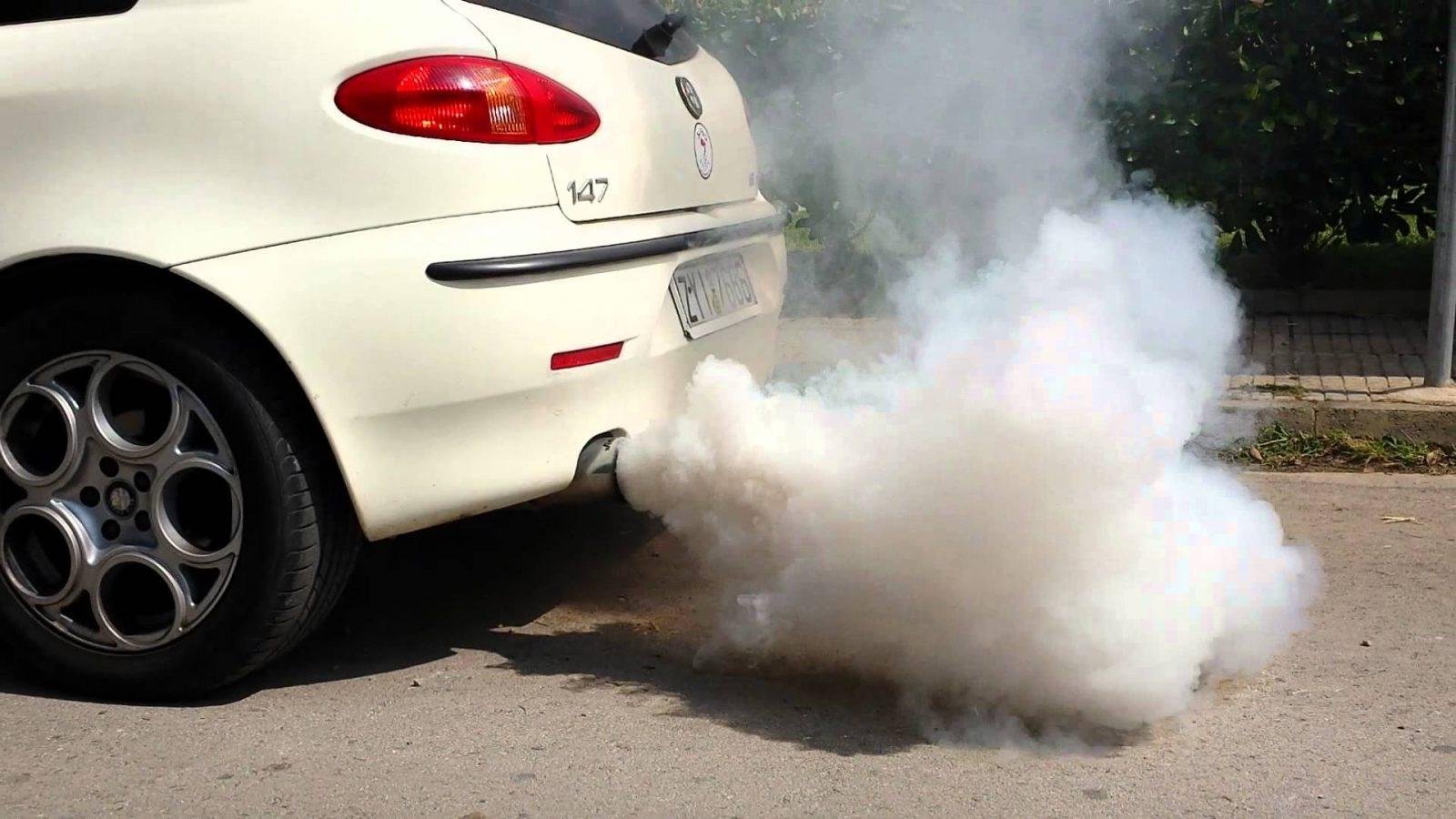
The sight of smoke billowing from your exhaust pipe can be concerning, triggering immediate thoughts of hefty repair bills and roadside breakdowns. But before you panic, it's important to understand that not all exhaust smoke is created equal. Small amounts of white smoke, in particular, often cause more worry than they warrant. This article will delve into the causes of light white exhaust smoke, helping you differentiate between normal operation and potential problems that require attention.
Understanding Exhaust Smoke: A Primer
Exhaust smoke, regardless of color, is essentially unburnt fuel, oil, or coolant exiting the engine via the exhaust system. The color provides clues about the source of the problem. Black smoke typically indicates a rich fuel mixture (too much fuel, not enough air), blue smoke signals burning oil, and white smoke suggests the presence of coolant or water vapor.
The Case of Light White Smoke: Is it Always Bad?
The key phrase here is "light" or "small amounts." In many cases, especially during cold starts, a wisp of white smoke is perfectly normal. This is simply water vapor condensing in the exhaust system as the engine warms up. The heat from the engine turns the water into steam, which is then expelled as white smoke. This is particularly noticeable in humid climates or during the winter months.
Think of it like seeing your breath on a cold day; it's the same principle. This type of white smoke should dissipate quickly once the engine reaches its operating temperature. If it disappears after a few minutes of driving, there's likely nothing to worry about.
When White Smoke Becomes a Concern
While some white smoke is normal, persistent and heavy white smoke is a different story. This usually indicates coolant entering the combustion chamber. Coolant in the combustion chamber creates steam which exits through the exhaust. Common causes include:
- Blown Head Gasket: This is perhaps the most common culprit. The head gasket seals the cylinder head to the engine block, preventing coolant and oil from mixing. A damaged or blown head gasket can allow coolant to leak into the cylinders.
- Cracked Cylinder Head or Engine Block: Although less frequent than a blown head gasket, a crack in the cylinder head or engine block can also allow coolant to enter the combustion chamber. These are usually more severe and require significant repairs.
- Intake Manifold Gasket Leak: Some engines use the intake manifold as part of the coolant system routing. A leak in the intake manifold gasket can lead to coolant being drawn into the cylinders.
The symptoms accompanying worrisome white smoke often include:
- Sweet Smell: Coolant has a distinct sweet smell, which you might detect coming from the exhaust or near the engine.
- Low Coolant Level: Check your coolant reservoir regularly. A consistently low level, without any visible leaks, suggests coolant is being burned in the engine.
- Overheating: Coolant loss can lead to overheating, as the engine's cooling system is compromised.
- Milky Oil: Coolant mixing with engine oil can create a milky or foamy appearance on the dipstick or under the oil filler cap.
- Rough Engine Idle: Coolant in the combustion chamber can disrupt the combustion process, leading to a rough or uneven idle.
Diagnosis and Repair
If you suspect coolant is entering the combustion chamber, it's crucial to have your vehicle inspected by a qualified mechanic. Diagnostic procedures often include a compression test (to check for cylinder leaks), a coolant system pressure test (to identify leaks in the cooling system), and a block test (to detect combustion gases in the coolant system).
Repair costs can vary significantly depending on the cause. Replacing a head gasket can range from $1,000 to $3,000, depending on the vehicle and the complexity of the job. A cracked cylinder head or engine block can be even more expensive, potentially requiring engine replacement. Addressing intake manifold gasket leaks will generally be less expensive.
Preventative Maintenance
While not all problems can be prevented, regular maintenance can significantly reduce the risk of serious engine issues. This includes:
- Regular Coolant Flushes: Replacing old coolant helps prevent corrosion and scale buildup, which can damage cooling system components.
- Coolant Level Checks: Regularly check your coolant level and top it off as needed.
- Scheduled Maintenance: Follow your vehicle manufacturer's recommended maintenance schedule, including timing belt replacement (if applicable) as a broken timing belt can cause significant engine damage.
Conclusion
Small amounts of white smoke from the exhaust are often harmless, especially during cold starts. However, persistent and heavy white smoke accompanied by other symptoms, such as a sweet smell, low coolant level, or overheating, indicates a potentially serious problem. Prompt diagnosis and repair are essential to prevent further engine damage and costly repairs. Don't ignore the signs; early intervention can save you time, money, and a lot of headaches.