
Spring Compressor Tool For Struts
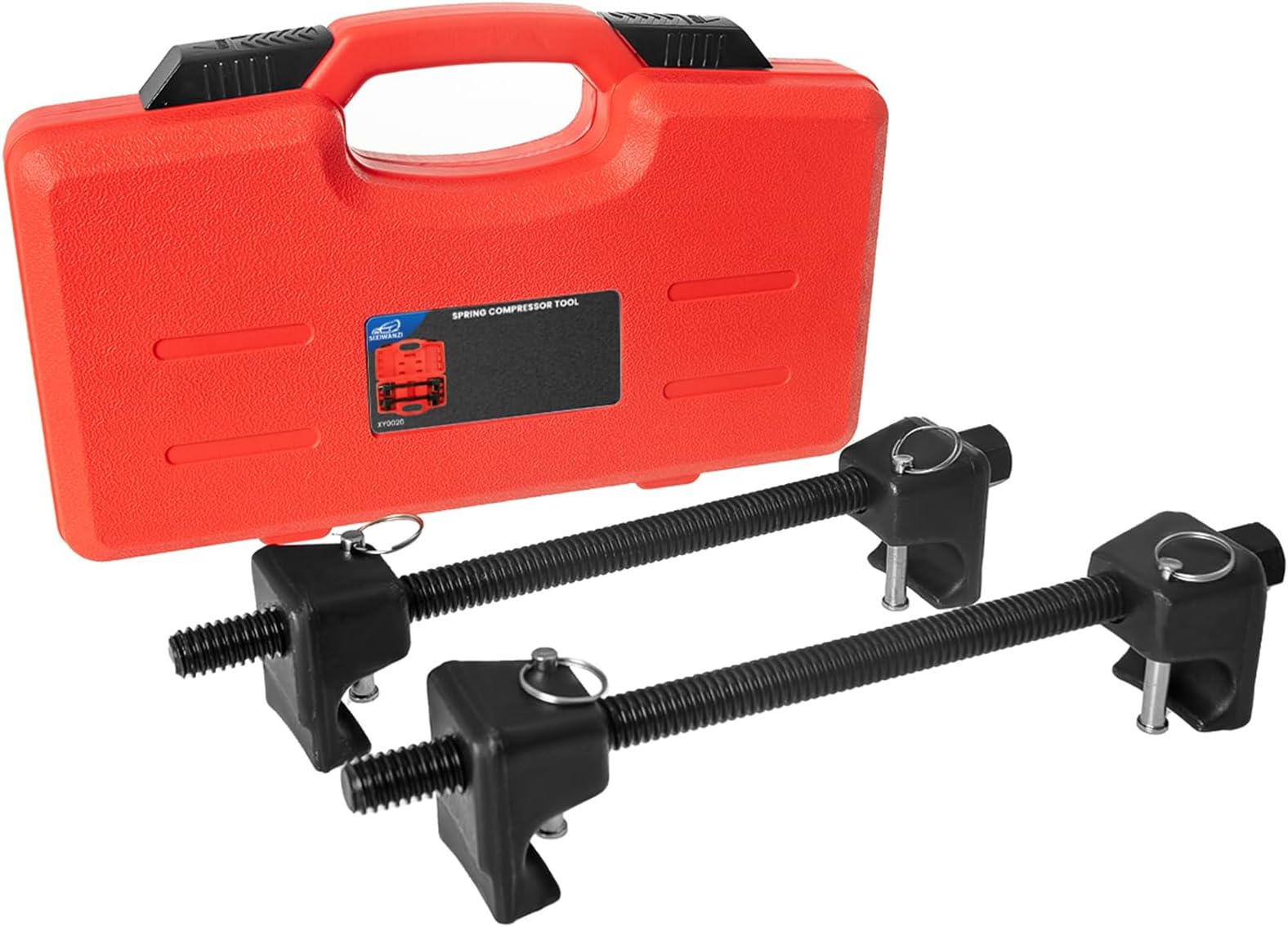
Strut assemblies are a crucial part of a vehicle's suspension system, providing both damping and structural support. Replacing or repairing struts often involves compressing the coil spring, a task that demands specialized tools and extreme caution. This is where the spring compressor tool comes into play. This article delves into the world of spring compressors, exploring their types, usage, safety considerations, and selection criteria.
Understanding Strut Assemblies and the Need for Spring Compression
A strut assembly typically consists of a shock absorber (or damper), a coil spring, a strut mount, and potentially other components like bump stops. The coil spring's primary function is to support the vehicle's weight and absorb impacts from the road. Because these springs are under significant tension, removing them without proper tools can be extremely dangerous. The potential energy stored in a compressed spring can cause it to release with tremendous force, leading to serious injury or even death. That's why using a spring compressor tool is not just recommended, it's essential for safety.
When servicing a strut, such as replacing the shock absorber or the strut mount, the spring must be safely compressed to relieve the tension holding the assembly together. This allows you to disassemble the strut without the risk of the spring suddenly releasing.
Types of Spring Compressor Tools
There are several types of spring compressors available, each with its own advantages and disadvantages. Understanding the differences is crucial for selecting the right tool for the job.
MacPherson Strut Spring Compressors (Internal)
These compressors are designed to be used on MacPherson struts, a common type of strut found in many modern vehicles. They typically consist of two yoke-shaped arms with hooks that engage the coils of the spring. A threaded rod or a ratcheting mechanism is used to draw the arms together, compressing the spring. These are generally considered the most versatile and widely used type.
Pros: Relatively inexpensive, widely available, suitable for a variety of spring sizes.
Cons: Can be unstable if not properly positioned, require careful attention to ensure even compression.
External Spring Compressors (Bench-Mounted)
Bench-mounted spring compressors are larger, more robust tools designed for professional use. They often feature a hydraulic or pneumatic cylinder to compress the spring, offering greater control and stability. These are typically found in automotive repair shops.
Pros: Safer and more stable than internal compressors, offer greater control over the compression process, suitable for high-volume work.
Cons: More expensive, require a bench or stand for mounting, less portable.
Wall-Mounted Spring Compressors
Similar to bench-mounted compressors, wall-mounted units offer robust stability and control. They are ideal for shops with limited floor space, utilizing vertical wall space for installation.
Pros: Excellent stability, good for smaller shops with limited space.
Cons: Require wall mounting, can be more difficult to maneuver around.
Coil Spring Compressor Adapters
For certain vehicles, especially those with conical or uniquely shaped springs, specialized adapters may be needed to ensure proper engagement with the spring compressor. These adapters often attach to existing MacPherson strut spring compressors to accommodate the unusual spring geometry.
Pros: Allow the use of standard compressors on non-standard springs.
Cons: Add to the cost of the compressor system, require knowing the specific spring type.
Using a Spring Compressor Safely: A Step-by-Step Guide
Regardless of the type of spring compressor you choose, safety should always be your top priority. Here's a general guide to using a spring compressor safely:
- Read the Manufacturer's Instructions: Always read and understand the manufacturer's instructions for your specific spring compressor model. Different models may have different operating procedures and safety precautions.
- Inspect the Tool: Before each use, carefully inspect the spring compressor for any signs of damage, wear, or corrosion. Do not use a damaged tool.
- Secure the Strut: If possible, secure the strut in a vise or on a workbench to prevent it from moving during the compression process.
- Position the Compressor Arms: Position the compressor arms so that they engage as many coils as possible and are evenly spaced around the spring. Ensure the hooks are securely seated on the coils. A good rule of thumb is to have at least four coils engaged per compressor arm.
- Compress the Spring Gradually: Slowly and gradually compress the spring, checking frequently to ensure that the arms remain securely in place and that the spring is compressing evenly. Avoid over-compressing the spring. You only need to compress it enough to relieve tension on the strut mount.
- Secure the Compressed Spring: Once the spring is compressed, some compressors have a safety latch to hold the compressed position. Ensure this is engaged before continuing.
- Disassemble the Strut: Carefully loosen and remove the strut nut while the spring is compressed. Be prepared for the strut rod to extend slightly once the nut is removed.
- Release the Spring Tension Slowly: After servicing the strut, reassemble it and slowly release the spring tension, ensuring that the spring remains properly seated.
- Wear Safety Gear: Always wear safety glasses and gloves when working with spring compressors. A face shield is also recommended.
Important Safety Note: If you are not comfortable using a spring compressor, it is best to have the work done by a qualified mechanic. The potential consequences of a spring releasing unexpectedly are too severe to risk.
Choosing the Right Spring Compressor
Selecting the right spring compressor depends on several factors, including the type of vehicle you're working on, the frequency of use, and your budget.
- Vehicle Type: Consider the type of vehicles you'll be working on. Some compressors are better suited for certain types of struts or spring configurations. Research the specific requirements for your vehicle's suspension system.
- Frequency of Use: If you're a professional mechanic, investing in a high-quality bench-mounted or wall-mounted compressor is a good investment. For occasional DIY use, a MacPherson strut spring compressor may be sufficient.
- Spring Size and Shape: Some springs are larger or have unique shapes that require specialized compressors or adapters. Make sure the compressor you choose is compatible with the springs you'll be working on.
- Budget: Spring compressors range in price from a few hundred dollars to several thousand. Determine your budget and choose a compressor that offers the best value for your needs.
- Safety Features: Look for compressors with safety features such as safety latches, overload protection, and robust construction. These features can help prevent accidents and injuries.
Common Mistakes to Avoid
Using a spring compressor incorrectly can lead to serious injury. Here are some common mistakes to avoid:
- Using the Wrong Tool: Using a spring compressor that is not designed for the specific type of spring can be dangerous. Always use the correct tool for the job.
- Over-Compressing the Spring: Over-compressing the spring can damage the spring or the compressor. Only compress the spring enough to relieve tension on the strut mount.
- Uneven Compression: Uneven compression can cause the spring to buckle or slip out of the compressor. Ensure that the arms are evenly spaced and that the spring is compressing evenly.
- Neglecting Safety Precautions: Failing to wear safety glasses and gloves or neglecting other safety precautions can increase the risk of injury.
- Using a Damaged Tool: Using a spring compressor that is damaged or worn can be extremely dangerous. Always inspect the tool before each use.
Maintenance and Storage
Proper maintenance and storage can extend the life of your spring compressor and ensure its safe operation. Here are some tips:
- Clean the Tool Regularly: Clean the spring compressor after each use to remove dirt, grease, and debris.
- Lubricate Moving Parts: Lubricate the threaded rod or ratcheting mechanism regularly with a suitable lubricant.
- Store the Tool in a Dry Place: Store the spring compressor in a dry place to prevent rust and corrosion.
- Inspect for Wear and Damage: Regularly inspect the compressor for signs of wear and damage. Replace any worn or damaged parts immediately.
In conclusion, the spring compressor tool is an indispensable tool for servicing strut assemblies. By understanding the different types of compressors, following safety precautions, and choosing the right tool for the job, you can safely and effectively compress coil springs and perform strut repairs. Remember, when in doubt, consult a qualified mechanic.