
Super Tech Full Synthetic Oil Review
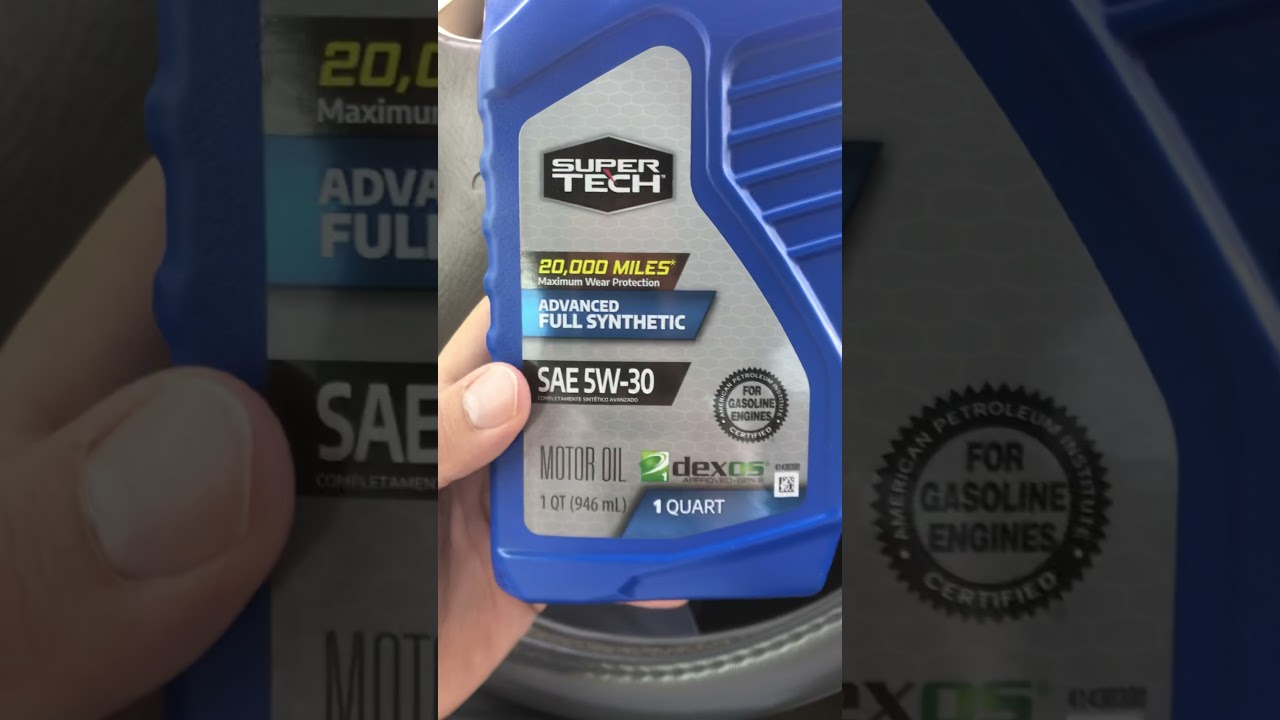
The rumble of an internal combustion engine, once the undisputed soundtrack of our lives, is slowly being replaced by the near-silent whir of electric motors. Yet, the transition isn't a simple flip of a switch. As we stand at this pivotal moment in automotive history, legacy systems and new technologies are converging, demanding a re-evaluation of even the most basic elements, like the oil that keeps our engines running. Today, we're looking at Super Tech Full Synthetic Oil, not just as a lubricant, but as a crucial component in a changing mobility landscape.
Super Tech Full Synthetic: More Than Just Oil
For years, Super Tech Full Synthetic has been a go-to for budget-conscious drivers seeking reliable engine protection. But can it hold its own in an era of increasingly sophisticated engine designs and demanding performance requirements? The answer is complex. While Super Tech's affordability makes it attractive, understanding its capabilities and limitations is vital, especially as we look toward the future.
Understanding the Composition
Full synthetic oils are engineered from highly refined base stocks, offering superior performance compared to conventional oils. They boast enhanced thermal stability, better resistance to oxidation, and improved cold-weather flow. This means better engine protection across a wider range of operating conditions. Super Tech Full Synthetic, like other full synthetics, generally incorporates additives to further enhance its properties, including detergents, dispersants, anti-wear agents, and corrosion inhibitors.
However, the specific blend of additives and the quality of the base stock can vary between brands. This can impact long-term performance and engine protection, especially in high-performance or heavily stressed engines. Independent testing and user reviews are crucial in assessing real-world performance.
It's not just about the label "full synthetic," it's about the specific formulation and how it performs under pressure.
The Electric Revolution and Hybrid Harmony
The rise of electric vehicles (EVs) may seem to signal the demise of engine oil altogether. While EVs eliminate the need for traditional engine lubrication, the transition is gradual. Hybrid vehicles, which combine internal combustion engines (ICEs) with electric motors, will continue to play a significant role for years to come. And even in a future dominated by EVs, the lifespan of existing ICE vehicles necessitates continued oil production and improvement.
Hybrid Systems: A New Challenge for Lubricants
Hybrid systems present unique challenges for engine oil. Frequent engine start-stop cycles, common in hybrid operation, can lead to increased wear and tear. Moreover, the engine may spend extended periods at low temperatures, potentially leading to fuel dilution and sludge formation. This places a higher demand on the oil's ability to maintain its viscosity and protect against wear, even under fluctuating temperatures and operating conditions. Choosing the right oil, even for a hybrid, is critical for long-term reliability.
Super Tech Full Synthetic, if meeting the manufacturer's specifications for the specific hybrid model, can provide adequate protection. However, it's essential to consider the driving habits and operating environment. For drivers who frequently engage in aggressive driving or operate in extreme temperatures, a higher-performance synthetic oil might be a better choice.
The Future of Lubricants: Beyond the Internal Combustion Engine
Even as EVs gain prominence, the research and development in lubricant technology will not stagnate. Here's how:
- E-Axle Lubricants: EVs require specialized lubricants for their e-axles, which combine the electric motor, gearbox, and power electronics into a single unit. These lubricants must provide efficient cooling, electrical insulation, and gear protection.
- Thermal Management Fluids: EVs generate significant heat, particularly in the battery pack and power electronics. Advanced thermal management fluids are crucial for maintaining optimal operating temperatures and preventing overheating.
- Biodegradable Lubricants: As sustainability becomes increasingly important, there's a growing demand for biodegradable lubricants that minimize environmental impact.
Super Tech, or its future iterations, could potentially evolve to offer these specialized lubricants for EVs, adapting to the changing needs of the automotive market. The key will be innovation and a willingness to invest in research and development.
Smart Automotive Solutions and Predictive Maintenance
The future of mobility is inextricably linked to smart technology. Connected cars, advanced sensors, and predictive maintenance systems are transforming how we interact with our vehicles. These technologies can provide valuable data about engine performance and oil condition, enabling proactive maintenance and preventing costly repairs.
Oil Condition Monitoring Systems
Modern vehicles are often equipped with oil condition monitoring systems that track factors such as engine temperature, operating hours, and driving conditions to estimate the remaining oil life. Some systems even analyze the oil's chemical composition to detect contaminants and degradation. This data can help drivers optimize oil change intervals and avoid unnecessary maintenance.
Imagine a future where your car automatically alerts you when the oil is nearing the end of its useful life, based on real-time analysis of its condition. This data could even be shared with your preferred service center, allowing them to proactively schedule maintenance and ensure that your engine receives the optimal care.
The Role of Super Tech in a Smart Automotive Ecosystem
For Super Tech to remain relevant in this evolving landscape, it needs to integrate with smart automotive solutions. This could involve:
- Developing oil formulations that are optimized for use with specific engine designs and driving conditions. This could involve collaborating with automakers to develop custom blends that meet the unique requirements of their vehicles.
- Providing detailed product information and technical specifications that can be easily accessed by connected car systems. This would allow the car to accurately track the oil's performance and provide timely maintenance recommendations.
- Investing in research to develop advanced oil condition monitoring technologies. This could involve incorporating sensors directly into the oil filter or developing mobile apps that allow drivers to easily monitor their oil's condition.
Challenges and Opportunities
The transition to electric mobility presents both challenges and opportunities for lubricant manufacturers. The challenges include:
- Declining demand for traditional engine oil. As EVs gain market share, the demand for engine oil will inevitably decrease.
- The need to invest in new technologies and product development. Developing specialized lubricants for EVs requires significant investment in research and development.
- Competition from established players in the EV lubricant market. Super Tech will need to compete with established players who already have a strong presence in the EV lubricant market.
However, there are also significant opportunities:
- The growth of the hybrid vehicle market. Hybrid vehicles will continue to be a significant part of the automotive landscape for years to come, creating a continued demand for engine oil.
- The opportunity to develop innovative lubricant solutions for EVs. Super Tech can differentiate itself by developing high-performance, sustainable lubricants that meet the unique needs of EVs.
- The potential to expand into new markets, such as thermal management fluids and e-axle lubricants. These markets offer significant growth potential for lubricant manufacturers.
Super Tech's future success hinges on its ability to adapt to these changing market conditions, embrace new technologies, and provide innovative solutions that meet the evolving needs of the automotive industry.
A Vision for the Future of Mobility
The future of mobility is not just about electric vehicles; it's about a holistic ecosystem that integrates sustainable energy, smart technology, and personalized transportation solutions. Imagine a world where vehicles are seamlessly connected, automatically optimizing their performance and efficiency. Where maintenance is proactive and predictive, minimizing downtime and extending the lifespan of our vehicles. And where lubricants are not just a commodity, but an integral part of a smart, sustainable transportation system. Super Tech, and brands like it, can be part of this future, not as a relic of the past, but as a proactive innovator shaping the next generation of mobility solutions. The journey is just beginning.