
Suv With Locking Rear Differential
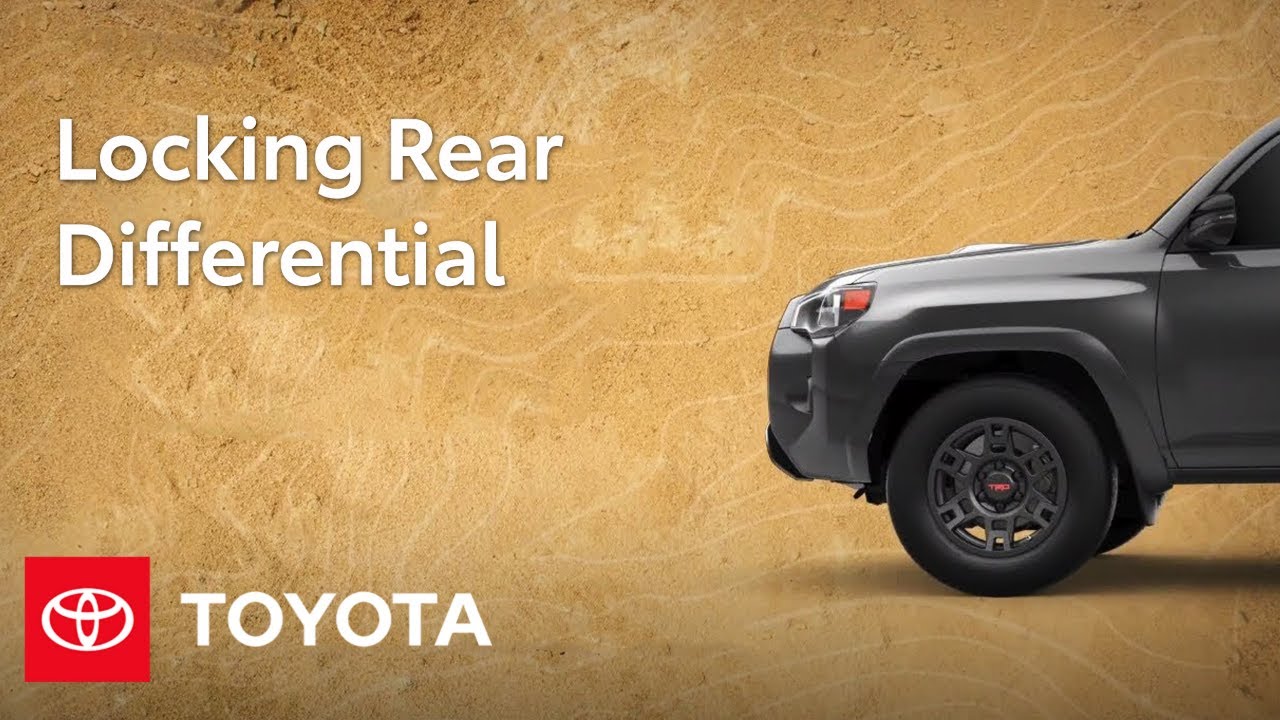
For drivers who frequently encounter challenging terrains like mud, snow, rocks, or sand, a standard SUV might not always cut it. This is where the locking rear differential comes into play, offering a significant advantage in traction and control. This article explores what a locking rear differential is, how it works, why you might need one, and some popular SUVs equipped with this valuable feature.
Understanding the Differential: The Basics
To grasp the benefit of a locking rear differential, it's crucial to first understand the purpose of a standard, or 'open,' differential. The differential's primary job is to allow each wheel on an axle to spin at different speeds. This is essential because when a vehicle turns, the outside wheel travels a longer distance than the inside wheel. Without a differential, the wheels would bind, causing instability and tire wear.
However, the open differential has a crucial weakness: It always sends power to the wheel with the least amount of traction. In a situation where one wheel loses traction (e.g., on ice or mud), that wheel will spin freely while the other wheel receives little to no power, leaving you stuck. This is a common scenario that many SUV owners face.
What is a Locking Rear Differential?
A locking rear differential addresses the open differential's shortcoming. It's a mechanism that, when engaged, forces both rear wheels to spin at the same speed, regardless of traction. This effectively creates a solid axle, ensuring that power is delivered to both wheels equally. If one wheel is on a slippery surface and the other has grip, the wheel with grip will still receive power, helping you maintain momentum and overcome the obstacle.
Types of Locking Rear Differentials
Locking rear differentials come in a few different varieties:
- Manual Locking Differentials: These are typically engaged by a switch or lever inside the vehicle. The driver must manually activate the locking mechanism when needed and disengage it when returning to normal driving conditions. They offer the most control but require driver awareness.
- Automatic Locking Differentials: These differentials automatically lock when they detect wheel slip. They are generally simpler to use than manual lockers but might not be as predictable or controllable in certain situations.
- Limited-Slip Differentials (LSDs): While not technically "locking," LSDs are a hybrid approach. They limit the amount of slip between the wheels but don't completely lock them together. They provide improved traction compared to an open differential but are less aggressive than a full locker. Often considered a good compromise for on-road and light off-road use.
- Electronic Locking Differentials: These use electronic sensors and actuators to engage and disengage the locking mechanism. They can be more sophisticated, offering smoother engagement and integration with other vehicle systems.
Why You Might Need a Locking Rear Differential
A locking rear differential can be invaluable in specific situations. Consider these scenarios:
- Off-Roading: Navigating rocky trails, muddy tracks, or sandy dunes becomes significantly easier with a locked rear differential. It ensures consistent power delivery to both rear wheels, preventing you from getting bogged down.
- Snow and Ice: In winter conditions, a locking differential can provide extra traction on slippery surfaces. It helps prevent wheel spin and improves stability, allowing you to maintain control.
- Towing: When towing heavy loads, a locking differential can improve traction, particularly on uneven terrain or loose surfaces. It helps distribute the weight and power evenly, preventing wheel slippage.
- Work Vehicles: For vehicles used in construction, agriculture, or other demanding environments, a locking differential can enhance productivity and safety by providing reliable traction in challenging conditions.
However, it's important to note that driving with a locked rear differential on dry pavement can be detrimental. It can cause tire wear, driveline stress, and unpredictable handling. Therefore, it's generally recommended to only engage the locking differential when needed and disengage it when returning to normal driving conditions.
SUVs with Locking Rear Differentials (Examples)
Several SUVs offer locking rear differentials, either as standard equipment or as an available option. Here are a few notable examples:
- Jeep Wrangler/Gladiator: The Jeep Wrangler and Gladiator are renowned for their off-road capabilities, and many trims offer a locking rear differential (often called "Tru-Lok"). These are highly capable vehicles for serious off-roading enthusiasts.
- Toyota 4Runner TRD Off-Road/Pro: The Toyota 4Runner, particularly the TRD Off-Road and TRD Pro trims, is another popular choice for off-road enthusiasts. These models typically feature a standard locking rear differential, along with other off-road-focused features.
- Chevrolet Colorado ZR2: While technically a mid-size pickup truck, the Colorado ZR2 deserves mention due to its exceptional off-road performance. It comes standard with front and rear locking differentials, making it incredibly capable in challenging terrain.
- Nissan Frontier PRO-4X: The Nissan Frontier PRO-4X trim is equipped with an electronic locking rear differential, providing enhanced traction for off-road adventures.
- Land Rover Defender: The Land Rover Defender offers a range of advanced off-road technologies, including electronic locking differentials (center and rear), which contribute to its impressive all-terrain capability.
Note: Availability of locking rear differentials can vary depending on the model year, trim level, and region. Always consult the manufacturer's specifications to confirm the equipment on a specific vehicle.
Alternatives to Locking Differentials
While a locking rear differential provides the most robust traction solution, other technologies can also enhance off-road performance:
- Traction Control Systems (TCS): TCS uses sensors to detect wheel spin and applies braking force to the spinning wheel, transferring power to the wheel with traction. While not as effective as a locking differential, TCS can still improve traction in many situations.
- Electronic Stability Control (ESC): ESC helps maintain vehicle stability by selectively applying braking force to individual wheels. It can also incorporate features like traction control and hill descent control.
- All-Wheel Drive (AWD) Systems: AWD systems automatically distribute power to all four wheels, improving traction on slippery surfaces. However, not all AWD systems are created equal. Some are designed primarily for on-road use, while others are more capable off-road.
- Hill Descent Control (HDC): HDC uses the vehicle's braking system to maintain a constant speed while descending steep hills, providing enhanced control and safety.
Choosing the Right SUV for Your Needs
The decision of whether or not you need an SUV with a locking rear differential depends on your individual driving habits and needs. If you primarily drive on paved roads and rarely encounter challenging terrain, a standard SUV with all-wheel drive and traction control might be sufficient. However, if you frequently venture off-road, drive in snowy or icy conditions, or tow heavy loads, an SUV with a locking rear differential can provide a significant advantage in traction, control, and overall performance.
Before making a purchase, research the available options, compare different models and trims, and consider your budget. Test driving vehicles in conditions similar to those you expect to encounter can also help you make an informed decision. Remember to always prioritize safety and drive responsibly, regardless of the vehicle's capabilities.
Key Takeaway: A locking rear differential is a valuable feature for SUVs that frequently encounter challenging terrain. It enhances traction, control, and overall performance in off-road, snowy, icy, and towing situations. However, it's important to choose the right type of differential for your needs and drive responsibly.