
Sylvania Vs Philips Headlight Bulbs
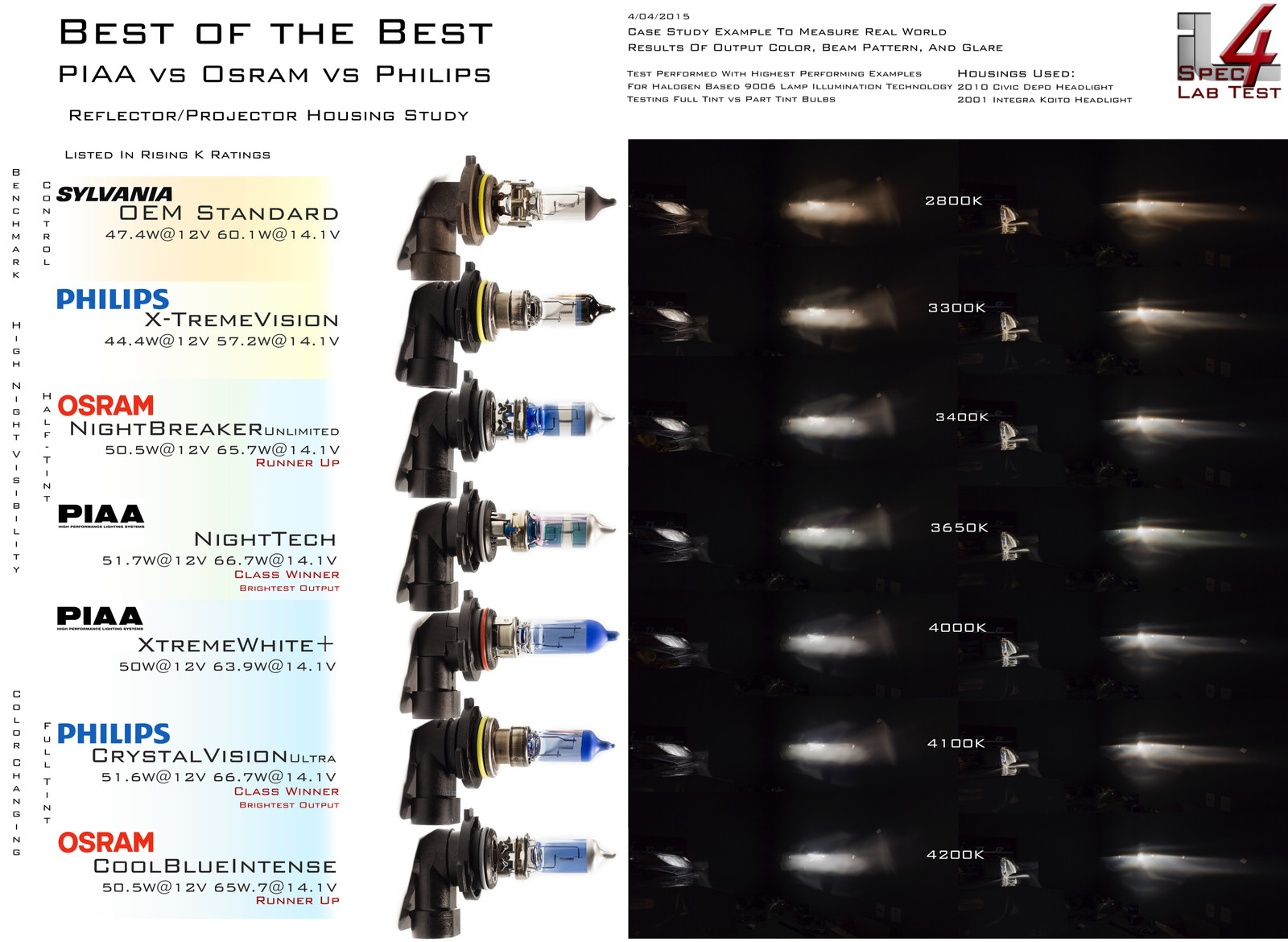
Choosing the right headlight bulbs can dramatically improve your driving experience, enhancing both safety and aesthetics. Sylvania and Philips are two giants in the automotive lighting industry, each offering a wide range of bulbs catering to different needs and preferences. This article provides a detailed comparison of Sylvania and Philips headlight bulbs, delving into the technical aspects and helping you make an informed decision for your vehicle.
Understanding Headlight Bulb Technology
Before comparing specific brands, it's essential to understand the underlying technologies used in headlight bulbs. The three main types are halogen, High-Intensity Discharge (HID), and Light Emitting Diode (LED).
Halogen Bulbs: The Industry Standard
Halogen bulbs are the most common type of headlight bulb. They function by passing electricity through a tungsten filament inside a glass envelope filled with halogen gas (usually iodine or bromine). The filament heats up and emits light. Halogen bulbs are relatively inexpensive and provide decent light output. However, they are less energy-efficient and have a shorter lifespan than HID or LED bulbs.
Key characteristics of halogen bulbs include:
- Luminous Efficacy: Typically around 10-20 lumens per watt. This measures how efficiently the bulb converts electrical power into light.
- Color Temperature: Usually between 2700K and 3500K, producing a warm, yellowish light.
- Lifespan: Average lifespan of 500-1000 hours.
HID (Xenon) Bulbs: High-Intensity Illumination
HID, also known as xenon bulbs, produce light by creating an electric arc between two electrodes in a tube filled with xenon gas. These bulbs require a ballast to regulate the voltage and current. HID bulbs offer significantly higher light output and a longer lifespan compared to halogen bulbs. However, they are more expensive and require a more complex installation, often including auto-leveling systems to prevent glare for oncoming drivers.
Key characteristics of HID bulbs include:
- Luminous Efficacy: Typically around 80-100 lumens per watt.
- Color Temperature: Ranges from 4000K to 6000K, producing a bright white or bluish-white light.
- Lifespan: Average lifespan of 2000-3000 hours.
Important Note: Retrofitting HID bulbs into vehicles not originally equipped with them can be problematic and, in some jurisdictions, illegal. The lack of auto-leveling and proper beam pattern control can create excessive glare, endangering other drivers.
LED Bulbs: Efficiency and Longevity
LED (Light Emitting Diode) bulbs are the most energy-efficient and longest-lasting option. They produce light by passing an electric current through a semiconductor material. LED bulbs offer instant-on capability, excellent color rendering, and are available in a wide range of color temperatures. They also generate less heat compared to halogen and HID bulbs. The primary challenge with LED headlight bulbs lies in replicating the precise beam pattern of halogen bulbs and ensuring proper heat dissipation. Many aftermarket LED conversions suffer from poor beam focus or inadequate cooling, leading to reduced performance and lifespan.
Key characteristics of LED bulbs include:
- Luminous Efficacy: Typically around 80-120 lumens per watt (and improving constantly).
- Color Temperature: Ranges widely, from warm white (2700K) to cool white (6500K) and beyond.
- Lifespan: Average lifespan of 15,000-30,000 hours (or more).
Sylvania Headlight Bulbs: An Overview
Sylvania, a division of Osram Sylvania, is a well-established brand known for its wide range of automotive lighting products. Their product line includes halogen, HID, and LED bulbs, catering to various budgets and performance requirements. Sylvania bulbs are generally readily available and known for their consistent quality and reliability.
Popular Sylvania Bulb Series:
- Sylvania SilverStar Ultra: A popular halogen upgrade promising whiter and brighter light compared to standard halogen bulbs. They often employ a blue coating to achieve a higher color temperature.
- Sylvania ZEVO LED: Sylvania's line of LED replacement bulbs, offering improved brightness and lifespan compared to halogen. Performance and beam patterns vary depending on the specific model.
- Sylvania XtraVision: Designed for enhanced visibility, these halogen bulbs offer a slightly brighter output than standard bulbs.
Philips Headlight Bulbs: An Overview
Philips Automotive Lighting, part of Signify (formerly Philips Lighting), is another leading manufacturer of automotive headlight bulbs. Philips is renowned for its innovation and high-performance products, often incorporating advanced technologies to deliver superior light output, beam pattern, and lifespan. Philips bulbs are generally considered to be at the higher end of the market, often commanding a premium price.
Popular Philips Bulb Series:
- Philips X-tremeVision: Halogen bulbs designed to deliver up to 130% more light on the road compared to standard halogen bulbs, offering improved visibility and safety.
- Philips CrystalVision Ultra: Halogen bulbs with a blue coating to produce a whiter light, similar to Sylvania SilverStar Ultra.
- Philips Ultinon LED: Philips' line of LED replacement bulbs, engineered for optimal performance and beam pattern accuracy. Some models feature advanced thermal management systems to ensure long lifespan.
- Philips Xenon X-tremeVision: High-performance HID bulbs designed for maximum light output and visibility.
Sylvania vs. Philips: A Head-to-Head Comparison
Now, let's compare Sylvania and Philips across key performance characteristics:
Brightness and Light Output:
In general, Philips tends to offer slightly brighter and more powerful halogen bulbs compared to Sylvania. The Philips X-tremeVision series, for example, often outperforms comparable Sylvania halogen bulbs in independent tests. Both brands offer LED and HID options that provide significant brightness gains over halogen, but Philips generally pushes the boundaries further in terms of maximum light output, especially within their premium product lines. The *perceived* brightness can also be affected by the color temperature. Whiter light (higher Kelvin) *can appear* brighter, even if the actual lumen output isn't dramatically higher.
Consider the lumens rating of the bulb. Lumens are a measure of the total amount of visible light emitted by a source. Higher lumens generally indicate a brighter bulb.
Beam Pattern and Focus:
A proper beam pattern is crucial for safe driving, ensuring adequate illumination of the road ahead without creating excessive glare for oncoming traffic. Both Sylvania and Philips strive to maintain accurate beam patterns in their bulbs, but the quality can vary depending on the specific model and bulb type. Philips generally invests more heavily in beam pattern optimization, particularly in their LED offerings, resulting in superior focus and less stray light. A well-defined beam pattern puts light where you need it.
Color Temperature:
Both Sylvania and Philips offer bulbs with varying color temperatures, ranging from warm yellow to cool white and even bluish-white. The choice of color temperature is largely a matter of personal preference. Warmer colors (2700K-3000K) are generally considered to be more comfortable for nighttime driving, while cooler colors (5000K-6000K) offer a more modern and stylish appearance. Keep in mind that excessively blue light (above 6000K) can reduce visibility in certain weather conditions. Consider legal restrictions in your area regarding headlight color. Exceeding limits could lead to fines.
Lifespan and Durability:
LED bulbs from both Sylvania and Philips offer significantly longer lifespans compared to halogen bulbs. The lifespan of halogen bulbs can be affected by factors such as voltage fluctuations and operating temperature. Philips often incorporates more robust construction and advanced thermal management systems in their bulbs, potentially leading to slightly longer lifespans, especially in their premium offerings. Always check the bulb specifications for rated lifespan, typically expressed in hours.
Price:
Sylvania bulbs are generally more affordable than Philips bulbs, especially in the halogen category. Philips bulbs often command a premium price due to their advanced technology, superior performance, and reputation for quality. The price difference is most pronounced in the LED and HID categories, where Philips bulbs can be significantly more expensive than comparable Sylvania bulbs.
Making the Right Choice
Ultimately, the best headlight bulb for you depends on your specific needs, budget, and preferences. Here's a summary to help you decide:
- Budget-Conscious: Sylvania offers a wide range of affordable halogen bulbs that provide decent performance and reliability.
- Enhanced Visibility: Philips X-tremeVision halogen bulbs are an excellent choice for maximizing light output and improving visibility.
- Whiter Light: Both Sylvania SilverStar Ultra and Philips CrystalVision Ultra offer whiter light, but Philips may offer slightly better performance.
- Long Lifespan and Energy Efficiency: LED bulbs from both brands offer significant advantages in terms of lifespan and energy efficiency, but Philips often provides better beam pattern control and overall performance, albeit at a higher price.
- Maximum Performance: Philips Xenon X-tremeVision HID bulbs deliver exceptional light output and visibility, but require a compatible HID system.
Always consult your vehicle's owner's manual to determine the correct bulb type and wattage for your headlights. When upgrading to LED or HID bulbs, ensure that the chosen bulbs are compatible with your vehicle's electrical system and comply with all applicable regulations. Investing in quality bulbs from reputable brands like Sylvania and Philips will ensure optimal performance, safety, and longevity.