
Symptoms Of A Bad Canister Purge Valve
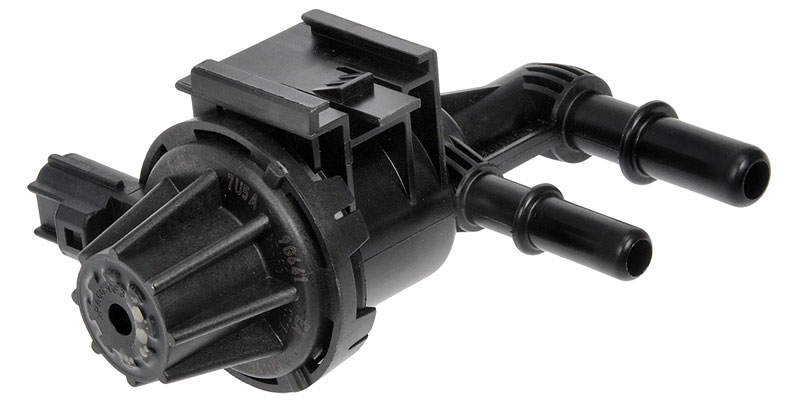
The canister purge valve, a small but vital component in your car's evaporative emissions (EVAP) control system, plays a crucial role in maintaining both environmental responsibility and fuel efficiency. Think of it as a carefully regulated gatekeeper, controlling the flow of gasoline vapors from the fuel tank to the engine for combustion. When this valve malfunctions, it can manifest in a range of symptoms, some subtle and others quite noticeable. Understanding these symptoms is key to diagnosing a potential problem and preventing more significant issues down the road. Let's delve into the common signs of a failing canister purge valve, explaining the underlying mechanisms and potential causes.
What is the Canister Purge Valve and What Does It Do?
Before we dive into the symptoms, it's essential to understand the function of the canister purge valve. Modern vehicles are equipped with an EVAP system to prevent harmful gasoline vapors from escaping into the atmosphere. This system typically includes a charcoal canister, which stores these vapors, and a network of hoses connecting the fuel tank, engine, and the canister. The canister purge valve, usually a solenoid-operated valve, sits between the charcoal canister and the intake manifold.
When the engine is running and certain operating conditions are met (engine temperature, load, etc.), the engine control unit (ECU) opens the purge valve. This allows the vacuum in the intake manifold to draw the stored gasoline vapors from the charcoal canister into the engine, where they are burned along with the regular air-fuel mixture. When the valve is closed, it seals off the canister, preventing vapor flow.
Common Symptoms of a Failing Canister Purge Valve
A faulty canister purge valve can present a variety of symptoms, depending on how it fails. It can fail in two primary ways: stuck open or stuck closed. Each failure mode leads to different sets of problems.
1. Rough Idle and Stalling
This is perhaps one of the most common symptoms of a purge valve stuck in the open position. When the valve is stuck open, it creates a vacuum leak. The engine is essentially drawing unmetered air and fuel vapor directly from the canister into the intake manifold. This disrupts the air-fuel ratio, making it too rich. The engine control unit (ECU) tries to compensate, but the unmetered air and fuel cause fluctuations in the idle speed, resulting in a rough idle, and in severe cases, even stalling.
Think of it like this: Imagine trying to bake a cake, but someone keeps adding extra sugar without you knowing. The recipe is thrown off, and the cake doesn't turn out right. Similarly, the extra, unmetered fuel vapor disrupts the engine's air-fuel balance.
2. Difficulty Starting
Similar to the rough idle, a purge valve stuck open can also lead to difficulty starting the engine, particularly after refueling. This is because the excess fuel vapor being drawn into the intake manifold can flood the engine. The engine struggles to ignite the over-rich mixture, resulting in extended cranking times or a no-start condition. This situation is even more pronounced if you "top off" the gas tank, potentially forcing liquid fuel into the EVAP system and saturating the charcoal canister.
3. Poor Fuel Economy
A malfunctioning purge valve can negatively impact fuel economy. If the valve is stuck open, the engine runs rich, consuming more fuel than necessary. Conversely, if the valve is stuck closed, the stored fuel vapors in the canister are not being purged and burned. While this might seem like a fuel-saving situation, it actually reduces efficiency. The ECU is programmed to expect these vapors and adjusts the fuel injection accordingly. Without the vapors being burned, the engine isn't operating as efficiently as it should be. Although often subtle, over time, the cumulative effect on fuel consumption can be significant.
4. Check Engine Light (CEL) and Diagnostic Trouble Codes (DTCs)
The most reliable indicator of a problem with the canister purge valve is the illumination of the Check Engine Light. The ECU constantly monitors the EVAP system using various sensors. If it detects an anomaly, such as an incorrect flow rate or pressure, it will trigger the CEL and store a Diagnostic Trouble Code (DTC) related to the EVAP system. Common DTCs associated with a bad purge valve include:
- P0441: Evaporative Emission Control System Incorrect Purge Flow
- P0446: Evaporative Emission Control System Vent Control Circuit Malfunction
- P0449: Evaporative Emission Control System Vent Valve/Solenoid Circuit Malfunction
- P0455: Evaporative Emission Control System Leak Detected (large leak)
It's important to note that these codes can also indicate other problems within the EVAP system, such as a faulty gas cap, a leaking hose, or a problem with the charcoal canister itself. A proper diagnosis by a qualified mechanic is crucial to pinpoint the exact cause.
5. Fuel Odor
In some cases, a malfunctioning purge valve, especially one that is leaking or damaged, can cause a noticeable fuel odor, particularly around the fuel tank or the engine compartment. This is because the valve is no longer effectively sealing the EVAP system, allowing fuel vapors to escape into the atmosphere.
6. Stalling at Stop Lights or During Deceleration
A purge valve stuck in the open position can also cause stalling at stop lights or during deceleration. When you take your foot off the accelerator, the engine's RPMs drop. If the purge valve is stuck open, the extra fuel vapor can overwhelm the engine at these low RPMs, causing it to stall.
Diagnosing a Suspected Bad Canister Purge Valve
If you suspect a problem with your canister purge valve based on the symptoms described above, there are a few diagnostic steps you can take:
- Read the Diagnostic Trouble Codes: Use an OBD-II scanner to retrieve any stored DTCs. This will provide valuable information about the nature of the problem.
- Visual Inspection: Inspect the purge valve and its surrounding hoses for any signs of damage, leaks, or corrosion.
- Purge Valve Test: Disconnect the purge valve from its electrical connector. With the engine running, disconnect one of the vacuum hoses attached to the purge valve. You should not feel any significant vacuum at the purge valve port. If you do, the valve is likely stuck open. Another test (more advanced) involves using a scan tool to activate and deactivate the valve while monitoring its operation.
Important Note: Diagnosing EVAP system problems can be complex, and sometimes requires specialized equipment like a smoke machine to detect leaks. If you're not comfortable performing these tests yourself, it's best to consult a qualified mechanic.
Conclusion
The canister purge valve is a seemingly simple component, but its proper function is critical for maintaining engine performance, fuel efficiency, and environmental compliance. Recognizing the symptoms of a failing purge valve can help you catch problems early, preventing more serious and costly repairs down the road. Remember to consult a trusted mechanic for a thorough diagnosis and repair if you suspect a problem. By understanding the role of this vital component and knowing what to look for, you can keep your car running smoothly and efficiently.