
Symptoms Of Faulty Idle Air Control Valve
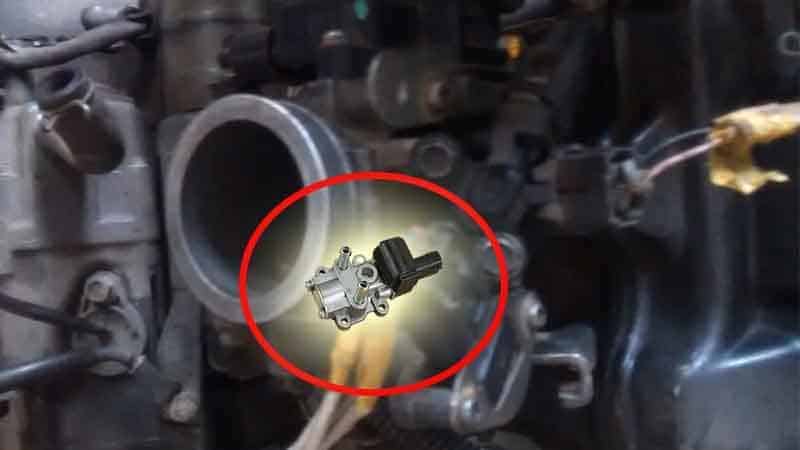
The Idle Air Control (IAC) valve, also sometimes called an Idle Speed Control actuator, is a critical component in maintaining a smooth and stable engine idle speed. Its job is to regulate the amount of air bypassing the throttle plate when the throttle is closed, ensuring the engine receives enough air to keep running without stalling. When the IAC valve malfunctions, it can manifest in a variety of noticeable symptoms. Understanding these symptoms can help you diagnose the issue and potentially save money on unnecessary repairs.
Common Symptoms of a Faulty IAC Valve
A failing IAC valve often presents with issues related to engine idling. These problems can range from mildly annoying to severe enough to prevent the vehicle from being driven. Here's a breakdown of the most common symptoms:
- Rough or Unstable Idle: This is perhaps the most common symptom. The engine might idle too high, too low, or fluctuate erratically. The RPMs might surge up and down, especially when the engine is cold.
- Engine Stalling: This is a more severe consequence of a faulty IAC valve. The engine might stall when coming to a stop, especially after the vehicle has been driven for a while. This occurs because the IAC valve isn't providing enough air to maintain the idle speed.
- High Idle Speed: Conversely, a stuck-open IAC valve can cause the engine to idle too high, even when warmed up. This can be noticeable on the tachometer.
- Difficulty Starting: In some cases, a malfunctioning IAC valve can make the engine difficult to start, especially in cold weather. This is because the engine needs more air during startup, and the IAC valve isn't providing it.
- Check Engine Light (CEL): A faulty IAC valve will often trigger the check engine light. Diagnostic trouble codes (DTCs) related to the IAC valve, such as P0505 (IAC System Malfunction), P0506 (Idle Air Control System RPM Lower Than Expected), or P0507 (Idle Air Control System RPM Higher Than Expected), may be stored in the engine control unit (ECU).
- Hesitation or Stumbling During Acceleration: While not directly related to idle, a malfunctioning IAC valve can sometimes contribute to hesitation or stumbling during initial acceleration. This is because the IAC valve's operation can affect the engine's overall air/fuel mixture.
Diagnosing a Suspected Faulty IAC Valve
When you suspect a problem with your IAC valve, proper diagnosis is crucial before replacing it. Here's a step-by-step approach:
- Check for Diagnostic Trouble Codes (DTCs): Use an OBD-II scanner to retrieve any stored DTCs from the ECU. This can pinpoint the IAC valve as the source of the problem.
- Inspect the IAC Valve: Visually inspect the IAC valve for any signs of damage, such as cracks or broken connectors. Check the wiring harness for corrosion or damage.
- Clean the IAC Valve: Sometimes, a dirty IAC valve can cause it to malfunction. Use a throttle body cleaner or carburetor cleaner to clean the valve. Be sure to follow the instructions on the cleaner and allow it to dry completely before reinstalling the valve.
- Test the IAC Valve: Use a multimeter to test the resistance of the IAC valve windings. Compare your readings to the manufacturer's specifications. If the resistance is outside the specified range, the valve is likely faulty. Some advanced scanners can also actuate the IAC valve to observe its operation.
- Check for Vacuum Leaks: Vacuum leaks can mimic the symptoms of a faulty IAC valve. Check all vacuum hoses and connections for leaks.
Real-World Example
Consider a 2008 Honda Civic with a 1.8L engine experiencing intermittent stalling at stoplights. The check engine light is illuminated, and the OBD-II scanner reveals a P0505 code. After inspecting the IAC valve and finding it covered in carbon buildup, the mechanic cleaned it thoroughly. Upon reinstallation, the stalling issue resolved itself, and the check engine light turned off, demonstrating that a simple cleaning can sometimes fix a faulty IAC valve.
Important Considerations
Replacing the IAC valve is usually a straightforward procedure, but some vehicles may require the ECU to be reprogrammed or the idle speed to be relearned after installation. Always consult your vehicle's service manual for specific instructions. Also, remember that other issues, such as a faulty throttle position sensor (TPS) or a vacuum leak, can cause similar symptoms to a faulty IAC valve. Therefore, a thorough diagnosis is essential to accurately identify the problem.
Understanding the symptoms and diagnostic procedures for a faulty IAC valve can empower car owners and mechanics to address idle-related engine problems effectively and efficiently. By following the outlined steps, you can save time and money while ensuring your vehicle runs smoothly.