
Temporary Fix For Broken Tail Light Cover
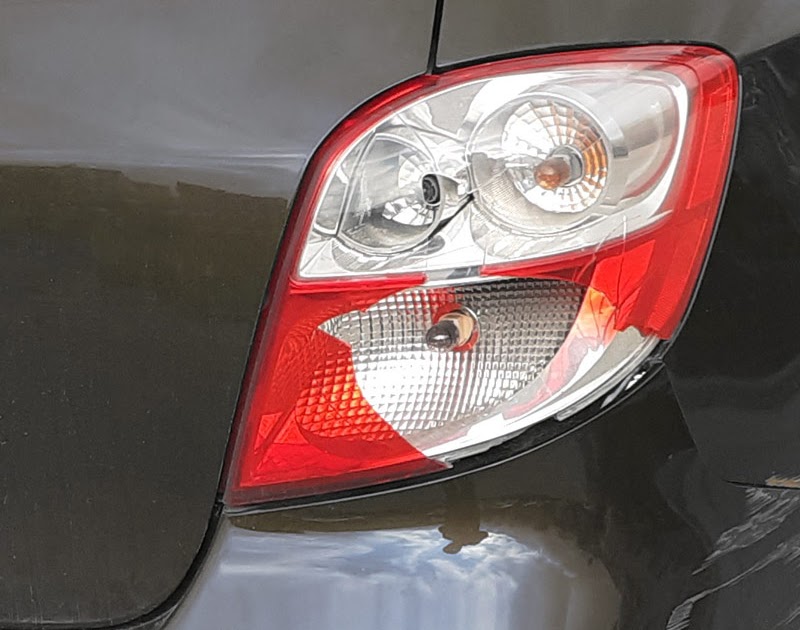
A broken tail light cover poses both a safety and legal concern for drivers. While a full replacement is the ideal solution, circumstances often necessitate a temporary fix. This article delves into the technical aspects, engineering considerations, and practical performance of temporary tail light cover repairs, comparing various methods and analyzing their long-term viability within the context of evolving automotive technology.
Understanding the Problem: Tail Light Cover Function and Materials
Tail light covers serve multiple crucial functions. Primarily, they protect the internal bulb and reflector assembly from environmental damage, including water, dust, and UV radiation. They also play a critical role in light diffusion and color filtering, ensuring the emitted light meets legal standards for visibility and color (typically red or amber). Modern tail light covers are often constructed from polycarbonate or acrylic polymers, chosen for their impact resistance, clarity, and moldability. These materials are specifically engineered to withstand temperature fluctuations and resist yellowing over time due to UV exposure. A break in this cover compromises all these functions.
Temporary Fix Options: A Comparative Analysis
Several temporary repair methods exist, each with its own set of pros and cons:
- Red/Amber Repair Tape: This is perhaps the most common and readily available option. It consists of a colored, adhesive-backed plastic film. Pros: Inexpensive, easy to apply, provides some level of weather protection. Cons: Poor durability, often peels quickly, may not adequately diffuse light, can appear unprofessional, susceptible to fading. The adhesive can also leave residue, complicating future repairs. Technically, the adhesive bond is often a pressure-sensitive acrylic, chosen for initial tack but lacking long-term shear strength under environmental stress.
- Colored Lens Repair Film: Similar to repair tape but often thicker and claimed to offer better light diffusion. Some products boast UV resistance. Pros: Potentially better durability than basic tape, improved light diffusion (depending on the product), still relatively inexpensive. Cons: Application can be tricky, requiring precise cutting and smoothing to avoid air bubbles. The light diffusion properties are heavily dependent on the film's manufacturing quality and can vary significantly.
- Clear Packing Tape + Red/Amber Bulb Coating: This approach involves sealing the break with clear packing tape and then using a specialized bulb coating to add the required color. Pros: Potentially more durable than simple colored tape if high-quality packing tape is used. Cons: Bulb coatings can be uneven and may not meet legal color standards. This method requires access to the bulb assembly and can be more time-consuming. The long-term effect of the coating on bulb heat dissipation is also a concern.
- DIY Acrylic/Polycarbonate Patch: This involves cutting a patch from a similar plastic material and bonding it to the broken cover using an adhesive. Pros: Potentially the most durable temporary fix if executed correctly. Allows for precise color matching. Cons: Requires specialized materials (acrylic or polycarbonate sheet, appropriate adhesive) and skills. The adhesive bond strength is crucial and depends on surface preparation and adhesive type. Incompatible adhesives can weaken the original plastic.
Engineering Choices and Performance Considerations
The success of any temporary repair hinges on several engineering considerations. Adhesive selection is paramount. Cyanoacrylate adhesives (super glue) are often used due to their quick bonding time, but they tend to be brittle and may not hold up well under vibration and temperature changes. Epoxy resins offer better strength and durability but require longer curing times. For plastic-to-plastic bonding, a solvent-based adhesive specifically designed for plastics is generally preferred, as it creates a chemical bond rather than just a mechanical one. Surface preparation is equally critical. Thorough cleaning and degreasing are essential for optimal adhesion. Roughening the surface slightly can also improve mechanical interlocking.
Real-world performance varies greatly depending on the chosen method and the quality of the materials used. Repair tapes, while convenient, often fail prematurely due to adhesive degradation and material embrittlement. DIY patches offer the best potential for long-term durability but require meticulous execution.
Reliability, Maintenance, and Legal Aspects
Temporary tail light repairs are, by definition, unreliable in the long term. They are prone to failure due to environmental factors, vibration, and UV exposure. Regular inspection is crucial. Any signs of peeling, cracking, or discoloration should prompt immediate action. It's also important to note that some temporary repairs may not meet legal requirements for tail light visibility and color, potentially leading to traffic violations. Always check local regulations before relying on a temporary fix. Maintenance often involves reapplying tape or sealant as needed. The goal is to keep water and debris out of the tail light assembly and maintain acceptable visibility.
Future Trends and the Automotive Industry
The increasing complexity of tail light designs, including the integration of LEDs and advanced lighting features, is making temporary repairs even more challenging. The trend towards thinner and more intricately shaped tail light covers requires specialized repair techniques and materials. Furthermore, the rise of ADAS (Advanced Driver-Assistance Systems) often relies on properly functioning and calibrated lighting systems. A compromised tail light cover can potentially affect the performance of these safety features.
Looking ahead, the automotive industry will likely see advancements in self-healing polymers and composite materials that can automatically repair minor damage. More sophisticated diagnostic systems will also be able to detect subtle variations in light output and alert drivers to potential problems with their tail lights. The focus will continue to be on improving safety and reliability, making permanent repairs and preventative maintenance even more critical. The industry is moving toward holistic designs where lighting components are integral to the vehicle's overall safety and aesthetic profile.