
Testing An Ignition Control Module
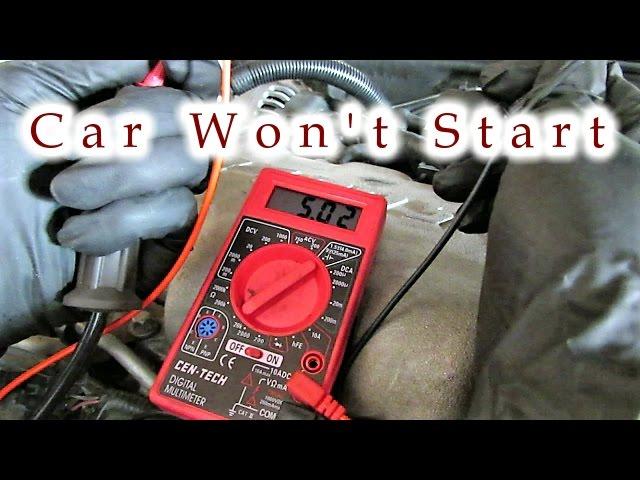
The Ignition Control Module (ICM) is a vital component in your car's ignition system. It's responsible for controlling the spark timing and duration, ensuring efficient combustion. A faulty ICM can lead to a range of frustrating and performance-hampering issues. This article provides a practical guide for car owners and mechanics on how to test an ICM, troubleshoot common problems, and maintain it for optimal performance.
Understanding the Ignition Control Module
The ICM acts as an intermediary between the engine control unit (ECU) or distributor and the ignition coil. It receives signals from the ECU/distributor, determining when to trigger the ignition coil to send a high-voltage spark to the spark plugs. This spark ignites the air-fuel mixture in the cylinders, driving the engine. In older vehicles, the ICM might be mounted directly on the distributor. Newer cars typically have electronically controlled ignition systems where the ECU manages the ICM based on various sensor inputs.
Common Symptoms of a Failing ICM
Recognizing the symptoms of a failing ICM early can save you time and money. Here are some of the most common signs:
- Engine Stalling: This is a frequent symptom. The engine might stall intermittently, especially when hot, or may not start at all. Think of a 1998 Honda Civic – a very common car to have ignition issues. It could start just fine, then after a short trip just quit at a light.
- Rough Running or Misfiring: A faulty ICM can cause the engine to run roughly, with noticeable misfires. You might experience jerking or hesitation during acceleration. A 2005 Ford F-150 can experience a rough idle due to this.
- No Start Condition: If the ICM completely fails, the engine won't start at all. There will be no spark at the spark plugs. A classic example is a mid 90s Chevrolet pickup with a distributor mounted ICM.
- Poor Fuel Economy: Inefficient combustion due to improper spark timing can lead to decreased fuel efficiency.
- Check Engine Light: The check engine light may illuminate, and scanning the ECU might reveal codes related to ignition system faults. Common codes include those related to primary ignition circuit faults.
- Reduced Engine Power: The car may feel sluggish and lack power, especially during acceleration.
- Hot Start Problems: The engine might be difficult to start when it's hot, but starts fine when cold. This can be due to the ICM overheating.
Troubleshooting and Testing the ICM
Before replacing the ICM, it's crucial to perform some tests to confirm that it's indeed the culprit. A systematic approach will save you from unnecessary replacements.
Tools You'll Need:
- Multimeter
- Test Light
- Spark Tester
- Wiring Diagram (specific to your vehicle)
Safety Precautions:
Always disconnect the negative battery cable before working on the electrical system. Be careful when working around the ignition system, as it involves high voltage.
Testing Procedures:
1. Visual Inspection:
Begin with a visual inspection of the ICM and its wiring. Look for any signs of damage, such as cracks, burns, or corrosion. Check the connectors for secure fit and clean them if necessary. A loose or corroded connection can cause intermittent problems. Pay close attention to the wiring harness, looking for frayed or damaged wires. Wiring issues are surprisingly common.
2. Power and Ground Check:
Use a multimeter to verify that the ICM is receiving power and ground. Consult your vehicle's wiring diagram to identify the correct pins. Check for battery voltage at the power wire and good continuity to ground at the ground wire. A missing power or ground connection is a common cause of ICM failure.
3. Spark Test:
This is a basic test to determine if the ICM is firing the ignition coil. Disconnect a spark plug wire from the spark plug and connect it to a spark tester. Ground the spark tester and crank the engine. Observe if a spark jumps across the gap in the spark tester. If there's no spark, the ICM or ignition coil could be the problem.
4. Trigger Signal Test:
The ICM receives a trigger signal from the ECU or distributor. Use a multimeter or test light to check for this signal while cranking the engine. The signal should be a pulsing voltage or a flashing test light. Consult your vehicle's wiring diagram for the correct voltage levels and waveform. If the trigger signal is missing, the problem lies with the ECU, distributor, or the wiring between them and the ICM.
5. Resistance Test:
Some ICMs can be tested for internal resistance using a multimeter. Consult your vehicle's service manual for the correct resistance values and testing procedure. This test can help identify shorted or open circuits within the ICM.
6. Module Testing (Advanced):
Some auto parts stores can test your ICM using a specialized module tester. This is a more comprehensive test that can simulate real-world operating conditions and identify subtle faults that might not be detected with basic testing methods. This is often a free service they provide.
Real-World Examples and Solutions
Example 1: 1996 Toyota Corolla - No Start Condition
Symptom: The car cranks but doesn't start. No spark at the spark plugs.
Troubleshooting: Visual inspection revealed no obvious damage. Power and ground to the ICM were present. The spark test showed no spark. The trigger signal from the distributor was weak.
Solution: The distributor's pickup coil (which generates the trigger signal) was faulty. Replacing the distributor resolved the issue.
Example 2: 2008 Honda Accord - Intermittent Stalling
Symptom: The engine stalls intermittently, especially when hot. Restarting the engine is difficult after stalling.
Troubleshooting: Visual inspection revealed no obvious damage. Power and ground were present. The spark test showed a weak spark when the engine was hot. The module testing at the auto parts store indicated that the ICM was failing under heat.
Solution: Replacing the ICM with a new one resolved the stalling issue.
Example 3: 2002 Ford Explorer - Rough Running and Misfiring
Symptom: The engine runs roughly and misfires, especially at idle. The check engine light is on, with codes indicating cylinder misfires.
Troubleshooting: Visual inspection revealed a cracked ICM housing. Power and ground were present, but the resistance test showed abnormal values. A spark test showed inconsistent spark across different cylinders.
Solution: Replacing the ICM and the spark plugs (which were fouled due to the misfires) resolved the issue.
Maintenance Tips for Your ICM
Proper maintenance can extend the life of your ICM and prevent problems. Here are some tips:
- Keep the Engine Cool: Overheating can damage the ICM. Ensure that your cooling system is functioning properly.
- Check Wiring Regularly: Inspect the wiring and connectors for damage or corrosion. Clean and repair as needed.
- Replace Spark Plugs Regularly: Fouled or worn spark plugs can put extra strain on the ignition system, including the ICM.
- Avoid Excessive Cranking: Excessive cranking can overheat the ICM. If the engine doesn't start after a few attempts, investigate the cause rather than continuously cranking the engine.
- Use Quality Parts: When replacing the ICM, use a reputable brand and ensure that it's the correct part for your vehicle. Cheaper, low-quality parts may fail prematurely.
When to Replace the ICM
If your testing indicates that the ICM is faulty, replacement is necessary. It's generally recommended to replace the ICM with a new or remanufactured unit from a reputable supplier. Ensure the new ICM is compatible with your vehicle's make, model, and year. Follow the manufacturer's instructions for installation. After installation, clear any diagnostic trouble codes (DTCs) from the ECU.
Advanced Diagnostics
In some cases, diagnosing ignition system problems can be complex, requiring advanced diagnostic tools and techniques. If you're unable to resolve the issue yourself, it's best to consult a qualified mechanic. They have the expertise and equipment to accurately diagnose and repair ignition system problems.
Keeping Your Car in Top Condition
Maintaining your car's ignition system is crucial for reliable performance and fuel efficiency. By understanding the function of the ICM, recognizing the symptoms of a failing unit, and performing basic testing procedures, you can proactively address potential problems. Regular maintenance, such as checking wiring and replacing spark plugs, can help prevent ICM failure and keep your car running smoothly. Remember to always consult your vehicle's service manual for specific instructions and precautions. Regular maintenance, combined with prompt attention to any signs of trouble, will ensure your car remains in top condition for years to come.