
Tire Pressure Light On But Tires Are Fine
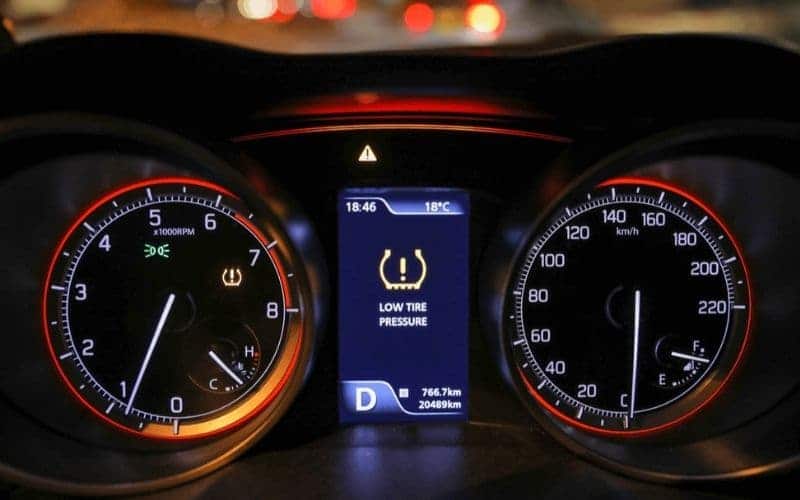
That pesky tire pressure light blinking on your dashboard, even after you've checked and confirmed your tires are properly inflated, is a common frustration for car owners and mechanics alike. It's not just annoying; it can also mask a genuine tire pressure issue, so it's crucial to understand why it's happening and how to address it. This article will guide you through troubleshooting the issue, focusing on practical maintenance tips and real-world examples.
Common Symptoms and Causes
The primary symptom is, of course, the illuminated tire pressure monitoring system (TPMS) light. This can manifest in a few ways:
- Solid TPMS Light: This usually indicates that one or more tires are significantly underinflated. However, if your tires are properly inflated, this could signal a sensor malfunction or a system error.
- Blinking TPMS Light: A blinking light almost always indicates a TPMS malfunction, such as a dead sensor battery, a faulty sensor, or interference with the system.
- TPMS Light On After Tire Inflation: This could be due to the system needing to be reset, a delayed sensor reading, or a hidden issue with the sensor.
Here are the common culprits behind a TPMS light illuminating despite correctly inflated tires:
- Faulty TPMS Sensor: Each tire has a sensor that monitors pressure and transmits data to the vehicle's computer. These sensors have batteries that typically last 5-10 years. When the battery dies, the sensor stops working, triggering the light.
- TPMS Sensor Damage: Physical damage to the sensor, often during tire changes or road debris impact, can render it useless.
- TPMS System Malfunction: The vehicle's TPMS module itself could be malfunctioning. This is less common but still possible.
- Environmental Factors: Extreme temperature fluctuations can affect tire pressure. While not technically a "fault," a sudden drop in temperature can lower tire pressure enough to trigger the light.
- Interference: Sometimes, electronic interference from other devices can disrupt the signal between the sensor and the vehicle.
- Incorrect Tire Pressure Threshold: Some vehicles allow you to set a custom tire pressure threshold. If this is set incorrectly, the light might illuminate even with correct pressure.
- Missing or Damaged TPMS Sensor in Spare Tire: Some vehicles with full-size spares also have a TPMS sensor in the spare. If it's missing, damaged, or not functioning, it can trigger the light.
Troubleshooting and Solutions
Here's a step-by-step approach to diagnosing and fixing the problem:
- Verify Tire Pressure: Even if you think your tires are correctly inflated, double-check with a reliable tire pressure gauge. Ensure the pressure matches the recommended PSI listed on the sticker located on the driver's side doorjamb.
- TPMS Reset Procedure: Consult your vehicle's owner's manual for the specific TPMS reset procedure. Many vehicles require you to drive for a certain distance or at a certain speed after inflating the tires to reset the system. For example, some Honda models require you to hold the TPMS button until the light blinks a few times. Ford models often require a similar process through the vehicle's information display.
- Visual Inspection of Sensors: If possible, visually inspect the TPMS sensors on the valve stems. Look for signs of damage, corrosion, or loose connections. (This may require removing the tire from the wheel).
- Use a TPMS Scan Tool: A TPMS scan tool can read the sensor IDs, battery life, and pressure readings from each sensor. This is a valuable tool for identifying faulty sensors. Mechanics use these regularly, but affordable versions are available for DIYers. This tool will help determine if a sensor is transmitting data and what its current battery status is.
- Professional Diagnosis: If you've tried the above steps and the light persists, it's time to consult a qualified mechanic. They can use advanced diagnostic tools to pinpoint the exact problem and recommend the appropriate solution. A mechanic will have access to diagnostic software and the experience to properly interpret the results.
- TPMS Sensor Replacement: If a sensor is faulty, it needs to be replaced. Make sure to use a compatible sensor for your vehicle. After replacement, the new sensor typically needs to be programmed to the vehicle's TPMS system. Some universal sensors can be programmed using a TPMS tool to mimic the old sensor's ID, while others may require professional programming through the car's OBD-II port.
- Check the Spare Tire: If your vehicle has a spare tire with a TPMS sensor, check its pressure and ensure the sensor is functioning. This is especially important for vehicles that use the spare tire pressure in the TPMS calculations.
Real-World Examples
Here are some scenarios from popular car models:
- Toyota Camry: A common issue is TPMS sensor failure after 7-8 years due to battery depletion. Replacing all four sensors at once is often recommended to avoid future problems.
- Honda Civic: TPMS reset procedures are crucial after tire inflation. Incorrectly resetting the system can lead to persistent false alerts.
- Ford F-150: Issues with aftermarket wheels or tires can sometimes interfere with the TPMS system, requiring reprogramming or adjustments to the sensor mounting.
- Chevrolet Silverado: Sensor corrosion due to road salt and harsh weather conditions is a frequent problem, especially in northern states. Regular cleaning and inspection can help prevent this.
Keeping Your Car in Top Condition
Regular maintenance is key to preventing TPMS issues and keeping your car running smoothly:
- Regular Tire Pressure Checks: Check your tire pressure at least once a month, and especially before long trips.
- Tire Rotations: Rotate your tires every 5,000-7,000 miles to ensure even wear and extend their lifespan.
- Wheel Alignment: Get a wheel alignment check periodically, especially after hitting potholes or curbs.
- Inspect TPMS Sensors During Tire Changes: Ask your tire technician to inspect the TPMS sensors for damage or corrosion during tire changes.
- Use Quality Tires and Sensors: Invest in quality tires and TPMS sensors from reputable brands.
- Follow Recommended Maintenance Schedule: Adhere to your vehicle's recommended maintenance schedule, including regular inspections and servicing.
By understanding how the TPMS works, performing regular maintenance, and following these troubleshooting steps, you can address TPMS issues effectively and keep your car in optimal condition. Don't ignore that TPMS light! It's there to protect you and your vehicle.