
Tire Pressure Sensor Fault Ford Edge 2015
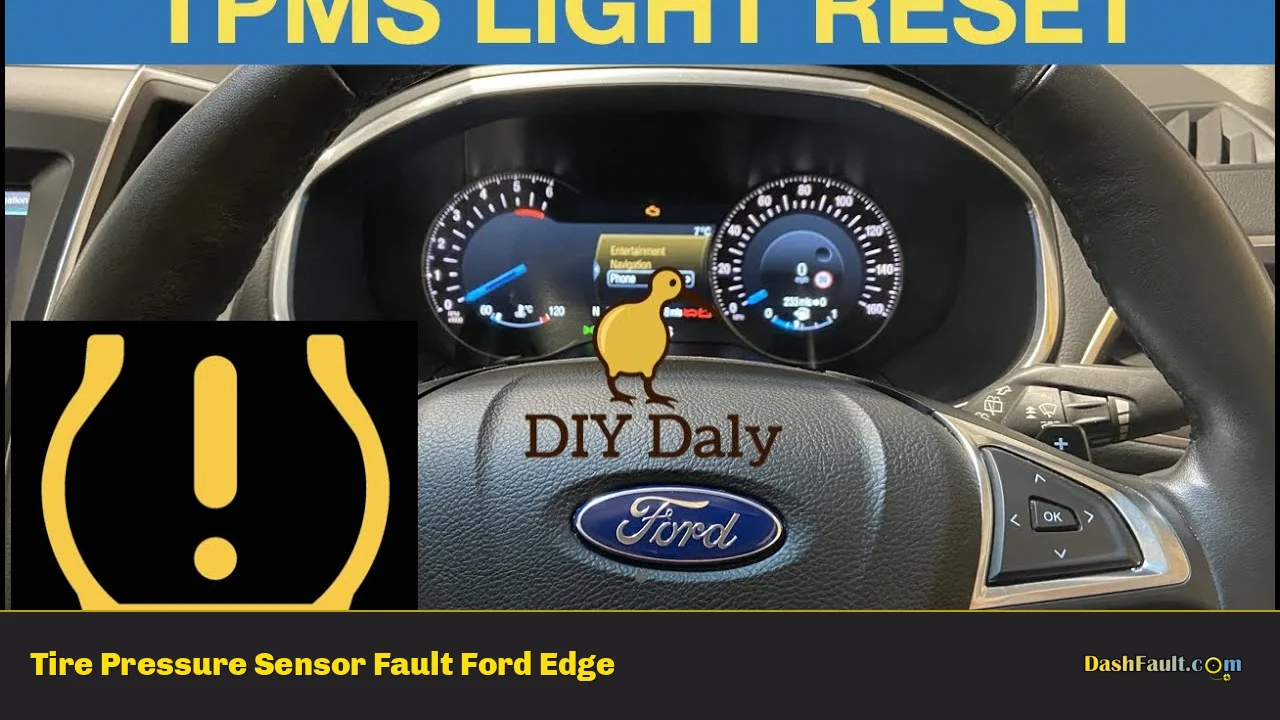
The 2015 Ford Edge, a popular choice for its blend of comfort and utility, is not immune to the common ailment plaguing modern vehicles: tire pressure monitoring system (TPMS) issues. Understanding the potential causes and solutions for a TPMS fault on this specific model is crucial for both owners and automotive professionals.
Understanding the TPMS in the 2015 Ford Edge
The TPMS in the 2015 Ford Edge is a direct system, meaning each wheel has a sensor inside that measures tire pressure and transmits this data wirelessly to the vehicle's computer, often referred to as the powertrain control module (PCM). This system provides real-time tire pressure information to the driver via the instrument cluster display. When a tire's pressure falls below a predetermined threshold (typically around 25% below the recommended pressure), the TPMS warning light illuminates. However, the light can also indicate a system malfunction, not just low tire pressure.
Common Causes of TPMS Faults in the 2015 Ford Edge
Several factors can trigger a TPMS fault light on a 2015 Ford Edge. Here are the most frequent culprits:
- Low Tire Pressure: The most obvious cause. Always check tire pressures with a reliable gauge and inflate them to the recommended values listed on the driver's side door jamb sticker. Remember to check all five tires if equipped with a full-size spare.
- Faulty TPMS Sensor(s): TPMS sensors have a limited lifespan, typically 5-10 years, due to battery depletion. Age, environmental factors (extreme temperatures, corrosion), and physical damage (impact, tire changes) can all shorten their lifespan. A diagnostic scan tool can identify which sensor is malfunctioning.
- Sensor Battery Failure: As mentioned above, the internal battery in the TPMS sensor is a consumable item. Once the battery dies, the sensor needs to be replaced.
- TPMS Sensor Damage: During tire changes or repairs, TPMS sensors can be accidentally damaged. It's crucial to handle them carefully.
- Wheel Swaps without Relearning: If you rotate your tires or install a new set of wheels (winter tires, for example), the TPMS sensors may need to be relearned by the vehicle's system. The 2015 Ford Edge generally requires a relearn procedure, which can be initiated through the vehicle's information display or with a diagnostic tool.
- TPMS Module Issues: Although less common, the TPMS module itself can malfunction. This module receives signals from the sensors and relays the information to the instrument cluster. Problems with the module can result in inaccurate readings or a complete system failure.
- Electrical Problems: Wiring issues, such as a broken wire or a corroded connector, can disrupt the communication between the sensors and the TPMS module.
- Aftermarket Accessories: Some aftermarket accessories, like certain LED lighting systems, can interfere with the TPMS signal.
Troubleshooting and Repairing TPMS Faults
Diagnosing a TPMS fault requires a systematic approach:
- Visual Inspection: Check all tires for proper inflation and signs of damage.
- Diagnostic Scan: Use a scan tool capable of reading TPMS data. This will identify which sensors are reporting errors or have failed entirely. Look for DTCs (Diagnostic Trouble Codes) related to the TPMS. Common codes include C0750 (Tire Pressure Monitoring System (TPMS) Malfunction) and specific codes indicating which sensor is faulty (e.g., C0700 - Left Front Tire Pressure Sensor Malfunction).
- Sensor Testing: A TPMS scan tool can also test the sensors' battery life and signal strength.
- Relearn Procedure: If sensors have been replaced or tires rotated, perform the TPMS relearn procedure. Consult the owner's manual or a repair database for the correct steps. Some Ford models can automatically relearn after driving a certain distance, while others require a manual procedure.
- Wiring and Connector Inspection: If a sensor is not responding and the battery is good, inspect the wiring and connectors for damage or corrosion.
- Module Diagnosis: If all sensors and wiring appear to be in good condition, the TPMS module itself may be faulty. This usually requires replacement and reprogramming by a qualified technician.
Real-World Example
A common scenario involves a 2015 Ford Edge owner noticing the TPMS light after a recent cold snap. The driver initially assumed it was just low pressure due to the temperature drop, but even after inflating the tires to the recommended pressure, the light remained on. A diagnostic scan revealed one of the sensors was transmitting intermittently. Replacing the faulty sensor and performing a TPMS relearn resolved the issue. This highlights the importance of proper diagnosis instead of simply inflating the tires.
Preventative Maintenance
To minimize TPMS issues, consider these preventative measures:
- Regularly check and maintain proper tire pressure.
- Handle TPMS sensors carefully during tire changes.
- Replace TPMS sensors as part of routine maintenance, typically every 5-7 years.
- Consider using nitrogen for tire inflation, which can help maintain more stable tire pressures.
Addressing TPMS faults promptly ensures safe driving and prevents potential tire damage. Whether you're a seasoned mechanic or a concerned owner, understanding the intricacies of the TPMS system in the 2015 Ford Edge is essential for maintaining its optimal performance and safety.