
Truck Front End Parts Diagram
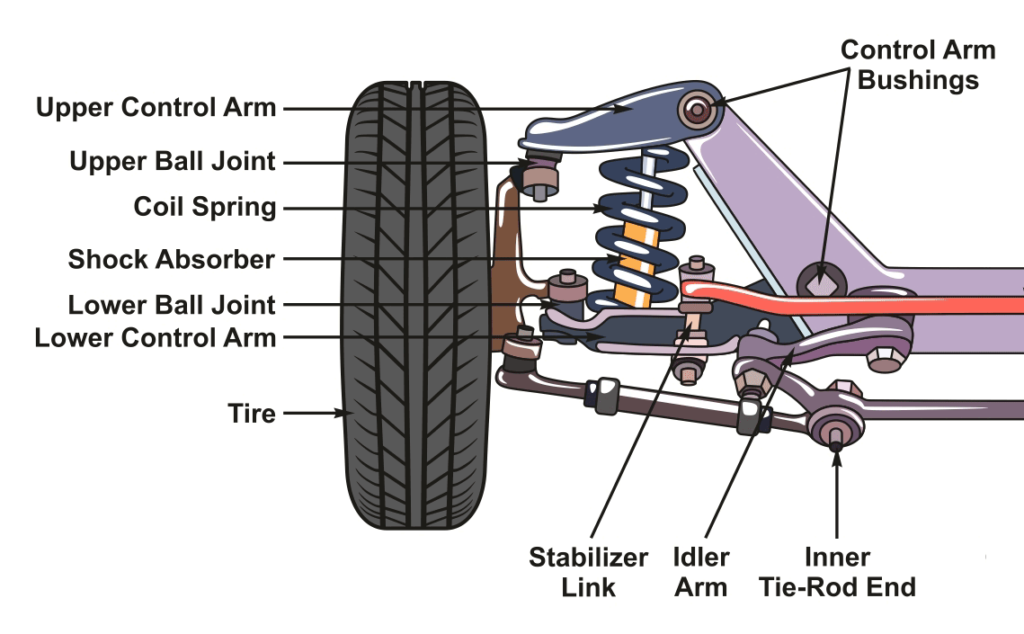
The front end of your truck is a complex system, responsible for handling, steering, suspension, and even safety. Understanding its various components and how they interact is crucial for maintenance, repairs, and even upgrades. This article will break down the truck front end parts diagram, explaining each major part in a way that’s easy for car enthusiasts, owners, and hobby mechanics to grasp.
The Basic Structure
Think of the truck's front end as a carefully orchestrated team. Each part has a specific role, and they all must work together seamlessly for optimal performance. At its core, the front end consists of the frame, suspension, steering, and braking systems. While the exact configuration can vary depending on the truck's make, model, and intended use (e.g., off-roading versus hauling), the fundamental principles remain consistent.
The Frame: The Foundation
The frame is the backbone of your truck. It’s the primary structural component to which all other parts are attached. Traditionally, truck frames are ladder frames, consisting of two long, parallel rails connected by cross members. These provide exceptional strength and rigidity, essential for handling heavy loads and rough terrain. Consider a Ford F-150, a classic example of a truck built on a robust ladder frame. While some newer trucks are incorporating more advanced frame designs, the ladder frame remains a common and reliable choice. Any damage to the frame can compromise the entire front end alignment and structural integrity, necessitating professional repair.
Suspension System: Smoothing the Ride
The suspension system is what separates the wheels from the frame, allowing for vertical movement to absorb bumps and maintain tire contact with the road. The key components of the front suspension typically include:
- Control Arms: These connect the wheel hub to the frame, allowing the wheel to move up and down. There are typically upper and lower control arms, often in an "A" shape, hence the term A-arms. A Chevy Silverado, for instance, utilizes a double-wishbone suspension system with upper and lower control arms for independent wheel movement.
- Springs: These absorb the impact of bumps and support the weight of the vehicle. Common types include coil springs (like those found in many Ram trucks) and leaf springs (often used in heavy-duty trucks like the Ford Super Duty for their increased load capacity).
- Shock Absorbers (Dampers): These control the motion of the springs, preventing excessive bouncing and oscillation. Without shocks, the truck would continue to bounce long after hitting a bump.
- Struts: Some trucks use struts instead of separate shocks and springs. A strut combines the functions of both into a single unit, offering a more compact design.
- Sway Bar (Stabilizer Bar): This bar connects the left and right sides of the suspension, reducing body roll during cornering. It helps keep the truck more stable and predictable.
Understanding the interplay between these components is vital. For example, worn-out shocks can lead to excessive bouncing, tire wear, and reduced handling. Replacing the springs with stiffer ones can increase load capacity but also compromise ride comfort. Choosing the right suspension components is crucial for achieving the desired balance between performance, comfort, and load-carrying capability.
Steering System: Directing the Vehicle
The steering system allows the driver to control the direction of the truck. Here are the main components:
- Steering Wheel: This is the driver's interface with the steering system.
- Steering Shaft: This connects the steering wheel to the steering gear.
- Steering Gearbox/Rack and Pinion: This converts the rotational motion of the steering wheel into linear motion that moves the wheels. Older trucks often use a steering gearbox, while newer trucks increasingly utilize rack and pinion steering for its improved responsiveness and feel.
- Tie Rods: These connect the steering gear to the steering knuckles on the wheels, transmitting the steering input.
- Steering Knuckles (Spindles): These connect the wheels to the suspension and allow them to pivot for steering.
Power steering, common in most modern trucks, utilizes a hydraulic or electric pump to assist the driver in turning the wheel, making it easier to maneuver the vehicle, especially at low speeds. Common issues with the steering system include loose tie rod ends, a worn steering gearbox, or a failing power steering pump. Any of these can result in sloppy steering, excessive play in the wheel, or difficulty turning.
Braking System: Stopping Power
The braking system is obviously critical for safety. Key components of the front braking system include:
- Brake Rotors (Discs): These are mounted to the wheel hubs and provide a surface for the brake pads to clamp against.
- Brake Calipers: These house the brake pads and use hydraulic pressure to press them against the rotors, slowing the vehicle.
- Brake Pads: These are friction materials that clamp against the rotors to create friction and slow the vehicle.
- Brake Lines: These carry hydraulic fluid from the master cylinder to the brake calipers.
Most modern trucks utilize disc brakes on the front wheels, as they offer superior stopping power and heat dissipation compared to drum brakes. Anti-lock Braking System (ABS) is a crucial safety feature that prevents the wheels from locking up during hard braking, allowing the driver to maintain steering control. Regularly inspecting the brake pads, rotors, and brake lines is essential for maintaining braking performance and safety. Low brake fluid, worn brake pads, or warped rotors can all compromise braking effectiveness.
Front End Alignment
Even with all the components in good working order, proper front end alignment is crucial. Alignment refers to the angles of the wheels relative to each other and the vehicle. The three primary alignment angles are:
- Camber: The angle of the wheel relative to vertical. Positive camber means the top of the wheel is tilted outward, while negative camber means it's tilted inward.
- Caster: The angle of the steering axis relative to vertical, as viewed from the side. Positive caster means the steering axis is tilted back, which improves stability and straight-line tracking.
- Toe: The angle of the wheels relative to each other, as viewed from above. Toe-in means the front of the wheels are closer together than the rear, while toe-out means the opposite.
Improper alignment can lead to uneven tire wear, poor handling, and reduced fuel economy. Hitting a curb or pothole can easily knock the front end out of alignment. It's recommended to have your truck's alignment checked periodically and after any major suspension work.
Practical Takeaways
Here are some practical takeaways to help you apply this knowledge:
- Visual Inspections: Regularly inspect the front end components for signs of wear and tear, such as cracked bushings, leaking shocks, or worn brake pads.
- Listen for Noises: Pay attention to any unusual noises coming from the front end, such as clunking, squeaking, or grinding. These noises can often indicate a problem with the suspension, steering, or brakes.
- Check Tire Wear: Uneven tire wear is a telltale sign of alignment issues or suspension problems.
- Understand Your Truck's Specifics: Refer to your truck's owner's manual and service manual for detailed information about the specific components and maintenance procedures for your model.
- Don't Be Afraid to Ask for Help: If you're unsure about any aspect of your truck's front end, don't hesitate to consult a qualified mechanic. A professional can diagnose and repair complex issues that are beyond the scope of a DIY repair.
- Small investments go a long way: Replacing worn bushings or ball joints will improve driving comfort and extend the life of other components.
By understanding the truck front end parts diagram and the function of each component, you can better maintain your vehicle, diagnose potential problems, and make informed decisions about repairs and upgrades. Remember, a well-maintained front end is crucial for safety, handling, and overall driving enjoyment.