
Trucks With Gear Shift On Steering Column
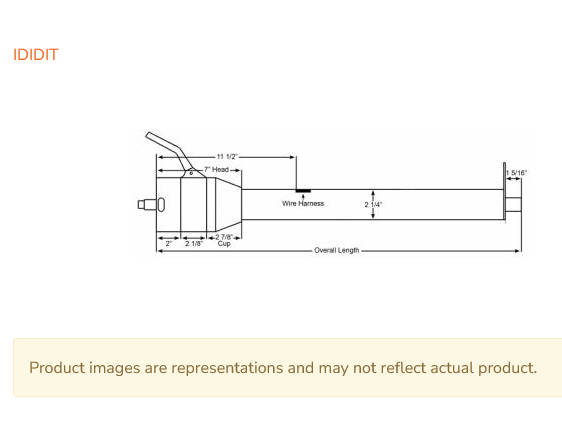
The steering column shifter, also known as a column shift, is a gear selector mechanism mounted on the steering column of a vehicle. For decades, it was a ubiquitous feature in American trucks, providing a practical and space-saving solution for gear selection, especially in models with bench seats. While floor shifters have largely taken over in modern trucks, the column shift retains a certain charm and continues to be found in specific models or configurations. This article delves into the history, advantages, disadvantages, and specific truck models that have prominently featured this gear-shifting setup.
A Brief History of the Column Shift
The column shift gained prominence in the mid-20th century, coinciding with the rise of the automatic transmission. Automatics, with their simpler shifting needs compared to manuals, were perfectly suited for column mounting. By the 1950s and 60s, most American cars and light trucks offered a column shift automatic, often paired with a large, comfortable bench seat. This configuration allowed for six-passenger seating, a key selling point for families and work crews alike. While manual transmissions were also occasionally column-shifted, particularly in earlier years, the automatic column shift became the iconic association.
Advantages of a Column Shift
The column shift offers several distinct advantages, especially within the context of truck design:
- Space Saving: Moving the shifter to the steering column frees up valuable space in the cabin. This is particularly beneficial in trucks, where maximizing seating capacity and storage is a priority.
- Bench Seat Compatibility: The column shift is inherently compatible with bench seats. In trucks, bench seats provide ample seating for work crews or families, making the column shift a natural fit.
- Ease of Use: For many drivers, especially those accustomed to older vehicles, the column shift is intuitive and easy to operate. The simple lever movements – Park, Reverse, Neutral, Drive, and often lower gears – are straightforward.
- Reduced Console Clutter: By removing the shifter from the center console, designers can create a cleaner, less cluttered interior. This allows for more storage compartments, cup holders, and other amenities.
Disadvantages of a Column Shift
Despite its advantages, the column shift also has some drawbacks, particularly in modern vehicle design:
- Less Sporty Feel: Compared to a floor shifter, a column shift is often perceived as less sporty and engaging. This can be a deterrent for drivers who prioritize performance and a more direct connection with the vehicle.
- Potentially Slower Shifts: In performance applications, floor shifters, especially those paired with paddle shifters, typically offer faster and more precise gear changes.
- Aesthetic Preferences: Many modern car buyers prefer the look and feel of a floor shifter, contributing to the decline in popularity of the column shift.
- Linkage Wear: The mechanical linkage connecting the column shifter to the transmission can be prone to wear and tear over time, leading to sloppy shifts and requiring maintenance. Specifically, the bushings and swivel joints within the shift linkage can deteriorate, causing excessive play.
Truck Models Featuring Column Shifts
While less common today, column shifts can still be found in certain truck models, often in base trims or fleet configurations. Here are a few examples:
- Chevrolet Silverado/GMC Sierra: Certain base models and fleet-oriented configurations of the Silverado and Sierra trucks still offer a column shift option, often paired with a bench seat.
- Ford F-Series: Similar to the Silverado/Sierra, some F-Series trucks, particularly the F-150, in their lower trims and fleet options retain the column shift.
- Older Models: Many classic trucks from the 1960s, 70s, 80s, and even 90s prominently featured column shifts. Examples include older Chevrolet C/K series, Ford F-Series, and Dodge Ram trucks.
The Future of the Column Shift
The future of the column shift in trucks is uncertain. As consumer preferences shift towards more sporty and luxurious interiors, and as technology advances with features like electronic shifters and rotary dials, the column shift may continue to decline in popularity. However, its inherent practicality and compatibility with bench seats could ensure its survival in certain niche applications, particularly in work trucks and fleet vehicles where functionality takes precedence over aesthetics. The enduring appeal of simplicity and maximized cabin space might just keep the column shift alive for years to come, especially where rugged dependability is paramount.
Repairing a column shift linkage often involves replacing worn bushings, adjusting the shift cable or rod, and ensuring proper alignment. Regular lubrication of the linkage components can also help extend their lifespan and maintain smooth shifting operation.