
Turn Off Tire Pressure Light Honda Accord
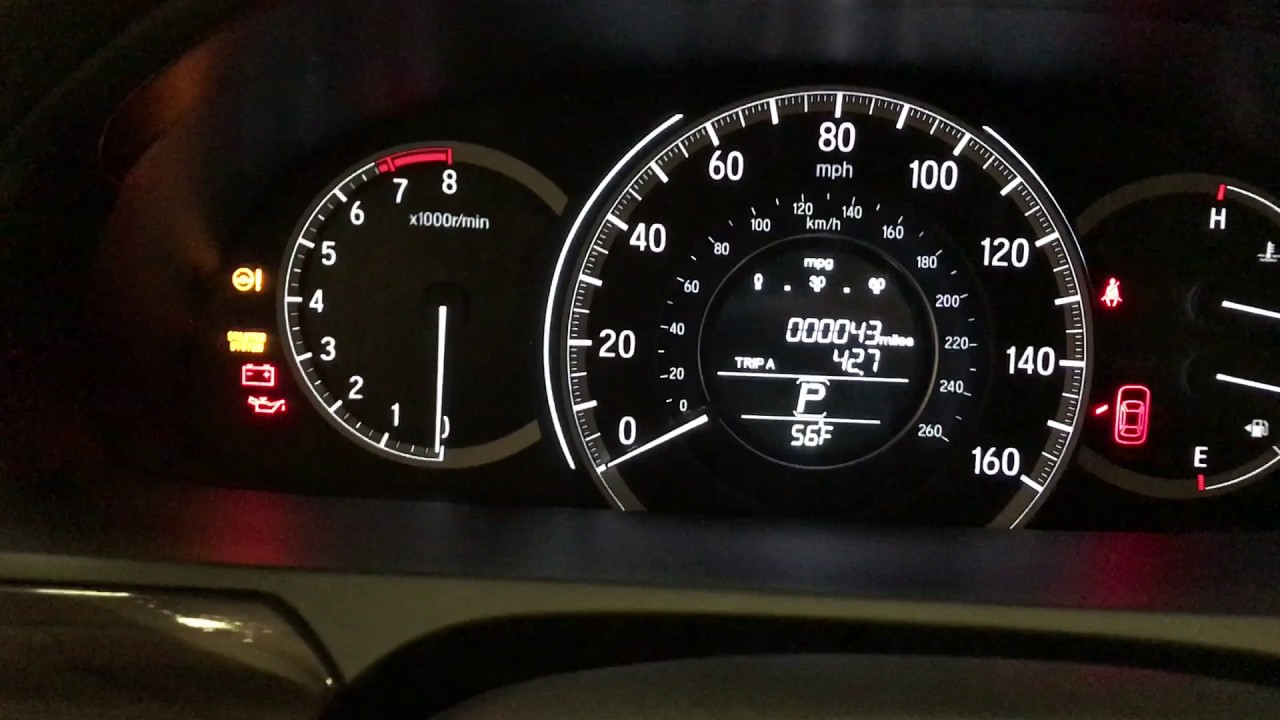
The Tire Pressure Monitoring System (TPMS) in your Honda Accord is a valuable safety feature, alerting you to low tire pressure that can impact handling, fuel efficiency, and tire wear. However, a persistent tire pressure light, even after inflating your tires to the correct pressure, can be frustrating. This article provides a comprehensive guide on how to turn off the tire pressure light on your Honda Accord, covering common causes, troubleshooting steps, and when it's time to consult a professional.
Understanding the TPMS Light on Your Honda Accord
The TPMS light on your Honda Accord dashboard typically looks like a horseshoe symbol with an exclamation point inside. When the light illuminates, it indicates that one or more of your tires has significantly deviated from the recommended pressure. There are two primary types of TPMS warnings:
- Solid TPMS Light: This usually signifies that one or more tires are significantly underinflated. Check your tire pressure immediately and inflate them to the recommended PSI (pounds per square inch) found on the sticker inside your driver's side doorjamb.
- Flashing TPMS Light: A flashing light often indicates a malfunction within the TPMS system itself. This could be a faulty sensor, a problem with the TPMS module, or interference from another electronic device.
Common Reasons for a Persistent Tire Pressure Light
Even after correcting the tire pressure, the TPMS light might remain on. Here are several common reasons:
- Tire Pressure Fluctuations: Temperature changes can affect tire pressure. A significant drop in temperature overnight can cause the pressure to decrease, triggering the light. Recheck your tire pressure, especially during seasonal changes.
- Incorrect Tire Pressure Readings: Ensure you're using an accurate tire pressure gauge. Some gauges are inaccurate, leading to misreadings. Try using a different gauge to verify your pressure.
- Spare Tire Pressure: If your Honda Accord has a spare tire with a TPMS sensor, it needs to be properly inflated as well. Neglecting the spare can trigger the warning light. Check your owner's manual for specifics.
- Faulty TPMS Sensor: TPMS sensors have a limited lifespan (typically 5-10 years). The sensor batteries eventually die, or the sensors can become damaged. A faulty sensor will not transmit accurate pressure readings.
- TPMS System Malfunction: Issues with the TPMS module, wiring, or other components can cause the light to stay on, even with properly inflated tires.
- Recent Tire Rotation or Replacement: Sometimes, after a tire rotation or replacement, the TPMS system needs to be reset or recalibrated.
Steps to Turn Off the Tire Pressure Light on Your Honda Accord
Follow these steps to try and resolve the persistent tire pressure light:
- Check and Inflate Tires: Using a reliable tire pressure gauge, check the pressure of all tires, including the spare if equipped with a TPMS sensor. Inflate them to the recommended PSI listed on the driver's side doorjamb sticker. Do not exceed the maximum PSI stamped on the tire sidewall.
- Drive for a Few Minutes: After inflating your tires, drive your Honda Accord for a few minutes (typically 10-15 minutes) at a speed above 30 mph. This allows the TPMS sensors to transmit the updated pressure readings to the vehicle's computer.
- TPMS Reset Procedure (If Applicable): Some Honda Accord models have a TPMS reset button or a reset procedure through the vehicle's infotainment system. Consult your owner's manual for the specific reset procedure for your year and trim. The process usually involves navigating through the vehicle's settings menu and selecting a TPMS calibration or reset option. This is often found under "Vehicle Settings" or "Maintenance."
- Check for Damage: Visually inspect your tires for any signs of damage, such as punctures, cuts, or bulges. Even small damage can lead to slow leaks and fluctuating pressure.
- Inspect TPMS Sensors (Visual): If you're comfortable doing so, visually inspect the TPMS sensors on the valve stems. Look for signs of damage or corrosion. Do not attempt to remove the sensors yourself unless you have the proper tools and experience.
When to Seek Professional Help
If you've followed the troubleshooting steps above and the tire pressure light remains on, it's time to consult a qualified mechanic. A professional can diagnose the issue using specialized tools and equipment, such as a TPMS scan tool, to identify faulty sensors or other problems within the system.
Here are situations where professional help is strongly recommended:
- Flashing TPMS Light: A flashing light nearly always indicates a system malfunction requiring professional diagnosis.
- Persistent Solid Light After Inflation: If the light remains on despite verifying and correcting tire pressure and attempting a reset (if applicable), a faulty sensor or system issue is likely.
- Error Codes: If a TPMS scan tool reveals specific error codes, a professional can interpret them and pinpoint the source of the problem.
- Recent TPMS Sensor Replacement: Even after replacing sensors, the system may need professional programming or recalibration.
Preventative Maintenance Tips
To minimize TPMS issues and ensure accurate tire pressure monitoring, consider these preventative maintenance tips:
- Regular Tire Pressure Checks: Check your tire pressure at least once a month and before long trips.
- Proper Tire Inflation: Maintain the recommended tire pressure for optimal performance and safety.
- Tire Rotations: Rotate your tires regularly to promote even wear and extend their lifespan.
- TPMS Sensor Inspection During Tire Changes: Have the TPMS sensors inspected when you get new tires installed.
- Avoid Harsh Chemicals on Valve Stems: Harsh chemicals can damage the TPMS sensors over time.
By understanding the TPMS system, following these troubleshooting steps, and seeking professional help when needed, you can effectively address a persistent tire pressure light on your Honda Accord and ensure optimal safety and performance.
Remember: Ignoring a TPMS warning can compromise your safety and lead to premature tire wear. Addressing the issue promptly is essential.