
What Are The Causes Of Engine Overheating
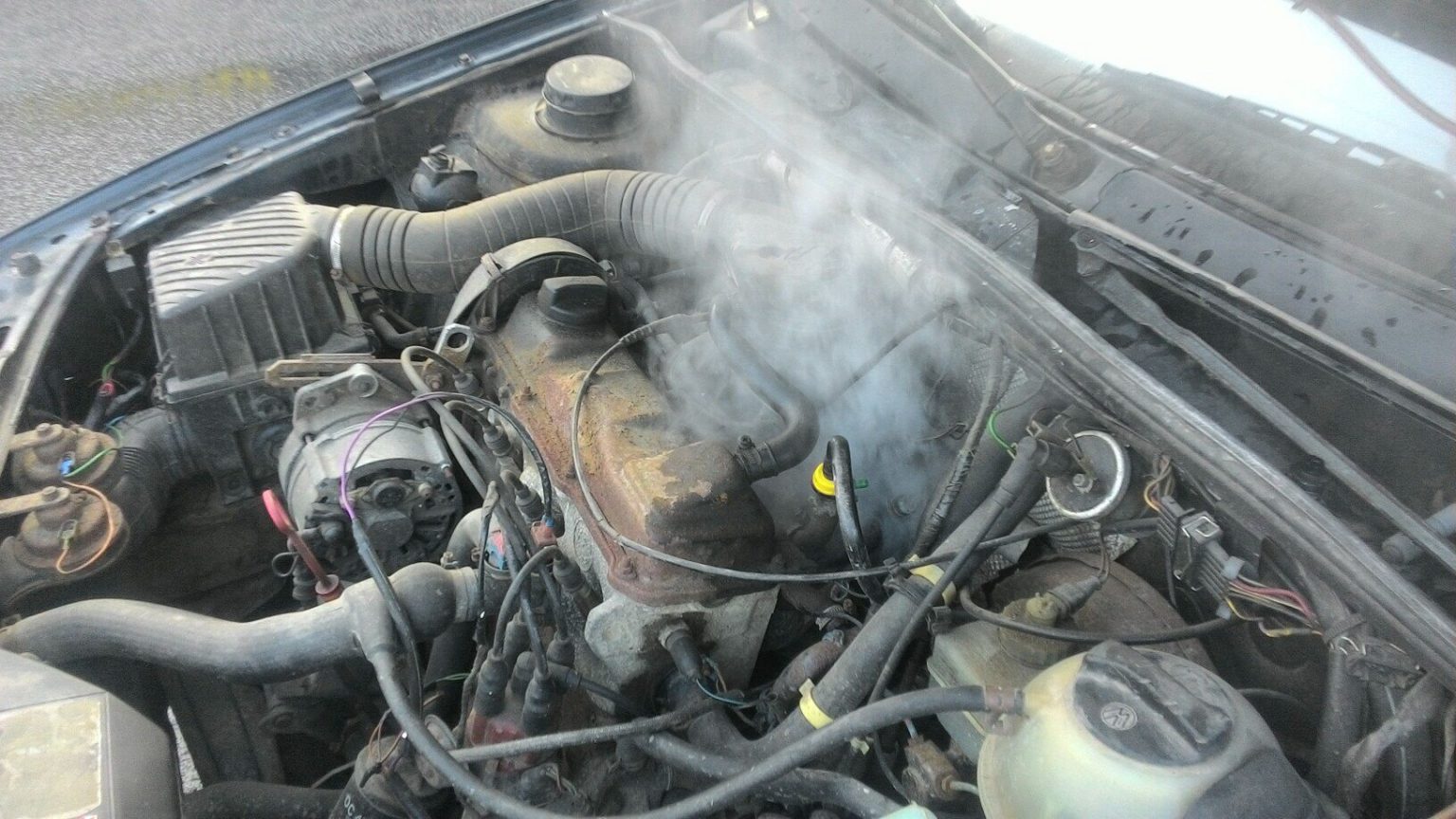
Engine overheating is a serious problem that can lead to costly repairs if left unaddressed. As your service advisor (or friendly neighborhood mechanic!), I'm here to help you understand the common causes of overheating and, more importantly, how to solve them. This isn't just about getting back on the road; it's about preventing long-term damage to your vehicle.
Understanding the Basics: How Your Cooling System Works
Before diving into specific causes, let's briefly cover the essentials of your engine's cooling system. Its primary function is to regulate engine temperature, preventing it from getting too hot. Key components include:
- Radiator: Dissipates heat from the coolant.
- Water Pump: Circulates coolant throughout the engine and radiator.
- Thermostat: Regulates coolant flow to maintain optimal engine temperature.
- Coolant (Antifreeze): A fluid mixture designed to absorb and transfer heat.
- Hoses: Connect the various components of the cooling system.
- Cooling Fan: Enhances airflow through the radiator, especially when the vehicle is stationary or moving slowly.
- Radiator Cap: Maintains pressure within the cooling system, raising the boiling point of the coolant.
If any of these components malfunction, it can lead to overheating. Now, let's explore the specific culprits.
Common Causes of Engine Overheating and Their Solutions
1. Low Coolant Level
This is often the most common and easiest to fix. Low coolant prevents efficient heat transfer.
Symptoms: Temperature gauge creeping up, steam from under the hood (if it gets severe), sweet smell (antifreeze) near the engine.
Solution:
- Check the Coolant Level: Allow the engine to cool completely. Carefully open the radiator cap (never do this on a hot engine – it’s incredibly dangerous!). Check the coolant level in the radiator. Also, check the coolant overflow reservoir; it should be between the "min" and "max" lines.
- Top Up: If the coolant is low, add the appropriate type of coolant (refer to your owner's manual). Using the wrong type of coolant can damage your cooling system.
- Inspect for Leaks: After topping up, carefully inspect all hoses, the radiator, the water pump, and the thermostat housing for leaks. Look for puddles under your car.
Tools Needed: Wrench (for radiator cap, if needed), funnel, appropriate coolant.
Approximate Cost: Coolant costs typically range from $15 to $30 per gallon. If you need to replace a leaking hose, expect to pay between $20 and $50 for the part, plus labor if you can't do it yourself.
2. Leaking Coolant System
Even a small leak can cause a significant drop in coolant level over time, leading to overheating.
Symptoms: Puddles of coolant under the car, sweet smell of antifreeze, low coolant level, pressure test failure.
Solution:
- Pressure Test: A mechanic can perform a pressure test on the cooling system to identify leaks. This involves using a special tool to pressurize the system and look for drops in pressure.
- Identify and Repair the Leak: Leaks can occur in various places:
- Hoses: Replace cracked or damaged hoses.
- Radiator: Repair or replace a leaking radiator.
- Water Pump: Replace a leaking water pump (often indicated by coolant dripping from the weep hole).
- Thermostat Housing: Replace a leaking thermostat housing.
- Head Gasket: A blown head gasket can cause coolant to leak into the cylinders or oil. This is a more serious repair.
Tools Needed: Varies depending on the location of the leak. Common tools include wrenches, screwdrivers, hose clamps, and specialized tools for removing hoses.
Approximate Cost: Repair costs vary greatly depending on the location and severity of the leak. Replacing a hose might cost $50-$150, while replacing a radiator could range from $300 to $800. A head gasket replacement can be a very expensive repair, potentially costing upwards of $1000 or more.
3. Faulty Thermostat
The thermostat regulates coolant flow. A stuck-closed thermostat will prevent coolant from circulating through the radiator, causing overheating.
Symptoms: Rapid temperature increase, upper radiator hose may be hot while the lower hose is cold (indicating no coolant flow), temperature gauge fluctuating wildly.
Solution: Replace the thermostat. This is a relatively straightforward repair.
Tools Needed: Wrench, socket set, thermostat housing gasket, scraper (to clean the housing surface).
Approximate Cost: A new thermostat typically costs between $20 and $50. Labor costs for replacement can range from $50 to $150.
4. Malfunctioning Water Pump
The water pump circulates coolant. A failing water pump will not circulate coolant effectively, leading to overheating.
Symptoms: Overheating, whining noise from the engine (especially as engine speed increases), coolant leaks from the water pump, excessive play in the water pump pulley.
Solution: Replace the water pump. This is often a more involved repair due to the location of the water pump.
Tools Needed: Socket set, wrenches, pulley puller (may be required), new water pump gasket, potentially a coolant flush kit.
Approximate Cost: A new water pump can cost between $50 and $200. Labor costs for replacement can range from $200 to $500, depending on the vehicle and the difficulty of accessing the pump.
5. Clogged Radiator
Debris, rust, and mineral deposits can accumulate inside the radiator, restricting coolant flow and reducing its efficiency.
Symptoms: Overheating, radiator fins may be clogged with debris, temperature gauge rising during idling or slow speeds.
Solution:
- Flush the Radiator: A professional radiator flush can remove some deposits.
- Replace the Radiator: If flushing doesn't resolve the issue, the radiator may need to be replaced.
Tools Needed: Radiator flush kit (if flushing), socket set, wrenches, drain pan.
Approximate Cost: A radiator flush can cost between $80 and $150. Radiator replacement costs range from $300 to $800, including parts and labor.
6. Faulty Cooling Fan
The cooling fan helps dissipate heat from the radiator, especially when the vehicle is stationary or moving slowly. A malfunctioning fan can lead to overheating.
Symptoms: Overheating, especially when idling or in stop-and-go traffic, the cooling fan not operating, unusual noises from the fan motor.
Solution:
- Check the Fan Motor: Ensure the fan motor is receiving power and operating correctly.
- Check the Fan Clutch (if applicable): Some older vehicles have a fan clutch that engages the fan based on temperature. A faulty fan clutch can prevent the fan from operating effectively.
- Replace the Fan Motor or Fan Clutch: If the motor is faulty or the fan clutch is not engaging, replace the affected component.
Tools Needed: Multimeter (to test for power), socket set, wrenches.
Approximate Cost: A cooling fan motor can cost between $50 and $200. A fan clutch can cost between $50 and $150. Labor costs for replacement can range from $50 to $200.
7. Blown Head Gasket
This is a more serious issue. A blown head gasket can allow combustion gases to leak into the cooling system, creating excessive pressure and overheating.
Symptoms: Overheating, white smoke from the exhaust, bubbles in the coolant, milky-colored oil (coolant mixing with oil), loss of coolant without any visible leaks.
Solution: Replace the head gasket. This is a complex and expensive repair that requires removing the cylinder head.
Tools Needed: This repair is best left to a professional mechanic due to its complexity. It requires specialized tools and expertise.
Approximate Cost: A head gasket replacement can cost between $1000 and $3000 or more, depending on the vehicle and the extent of the damage.
Preventing Overheating
Regular maintenance is key to preventing overheating:
- Check Coolant Levels Regularly: Do this at least monthly, or more frequently during hot weather.
- Inspect Hoses: Look for cracks, leaks, and swelling. Replace hoses as needed.
- Flush the Cooling System: Follow the manufacturer's recommended interval for coolant flushes (typically every 2-5 years).
- Inspect the Radiator: Keep the radiator fins clean and free of debris.
If you experience any signs of overheating, do not ignore them! Pull over as soon as it is safe to do so and let the engine cool down before attempting to diagnose the problem. Continuing to drive an overheated engine can cause severe and permanent damage. By addressing the issue promptly and performing regular maintenance, you can keep your engine running cool and reliably for years to come.
Disclaimer: The costs provided are estimates and may vary depending on your location, vehicle make and model, and the specific mechanic you choose. It's always best to get a professional diagnosis and estimate before proceeding with any repairs.