
What Are The Front Lights Of A Car Called
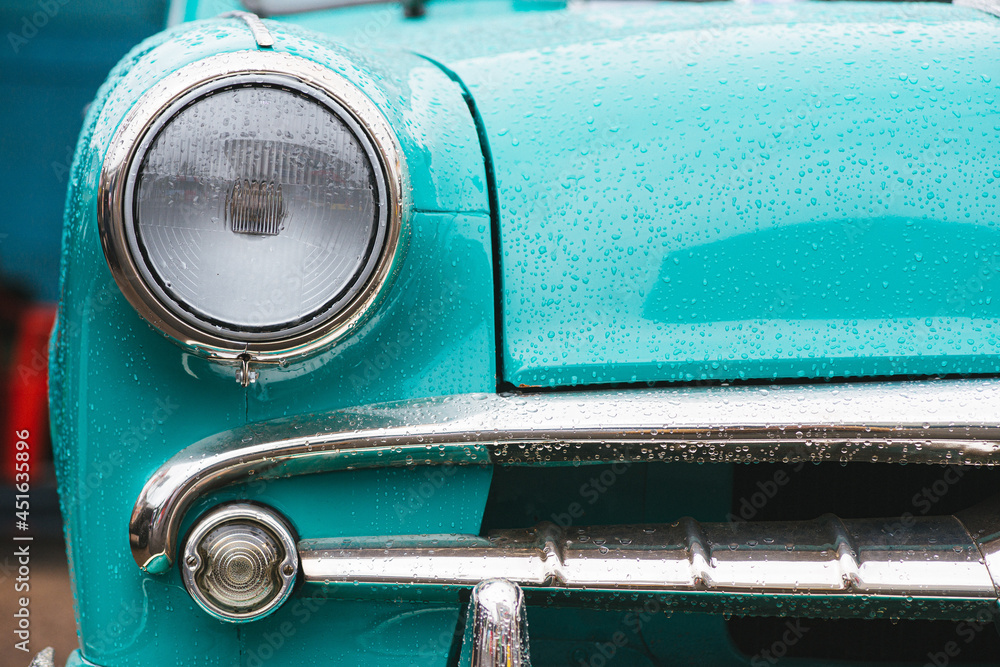
Understanding the various components of your vehicle is crucial for both maintenance and safety. Among the most vital are the front lights, which play a critical role in visibility and signaling. But what exactly are these lights called? It’s more complex than simply saying "headlights." This article will break down the names and functions of each front light, providing clarity for car enthusiasts, mechanics, and everyday drivers alike.
Headlights: The Primary Illuminators
The most prominent front lights are undoubtedly the headlights. Their primary function is to illuminate the road ahead, allowing you to see and be seen during nighttime driving and in low-visibility conditions. Headlights come in several types, each with its own characteristics:
- Halogen Headlights: The most common and affordable type, halogen headlights use a tungsten filament within a glass bulb filled with halogen gas. They are relatively inexpensive to replace but are less energy-efficient and have a shorter lifespan than other options.
- Xenon Headlights (HID - High-Intensity Discharge): Xenon headlights produce a brighter, whiter light than halogen bulbs. They use an electrical arc to ignite xenon gas, offering improved visibility and longer lifespan. However, they are more expensive to purchase and require a ballast for operation.
- LED Headlights (Light Emitting Diode): LEDs are increasingly popular due to their energy efficiency, long lifespan, and compact size, allowing for more creative headlight designs. They produce a bright, instant-on light and are generally more durable than halogen or xenon options.
- Laser Headlights: The newest technology, laser headlights are even brighter and more energy-efficient than LEDs. They use lasers to excite a phosphorus material, which then emits a powerful, focused beam of light. Currently, they are found primarily in high-end vehicles.
Daytime Running Lights (DRL): Visibility Enhancers
Daytime Running Lights (DRL) are designed to increase vehicle visibility during daylight hours. These lights are typically less bright than headlights and are often integrated into the headlight assembly or located separately on the front bumper. In many countries, DRLs are mandatory. They significantly reduce the risk of accidents by making vehicles more easily seen by other drivers, pedestrians, and cyclists.
Turn Signals (Indicators): Signaling Intentions
Turn signals, also known as indicators or blinkers, are crucial for communicating your intended direction to other road users. These amber-colored lights flash on either side of the front of the vehicle to indicate an upcoming turn or lane change. Proper use of turn signals is essential for safe driving and preventing accidents. Some modern vehicles now feature dynamic turn signals, also known as sequential indicators, where the light illuminates in a sweeping motion.
Fog Lights: Cutting Through the Mist
Fog lights are low-mounted lights designed to improve visibility in dense fog, heavy rain, or snow. They project a wide, flat beam of light that is aimed low to the ground, below the fog layer, to illuminate the road surface and reduce glare. Front fog lights are often optional equipment, but they can be a valuable asset in challenging weather conditions. It's important to only use fog lights when visibility is significantly reduced, as using them in clear conditions can dazzle other drivers.
Parking Lights (Position Lights): Marking Presence
Parking lights, sometimes called position lights, are dim lights located at the front and rear of the vehicle. They are designed to make the vehicle visible when parked on a roadway at night or in low-light conditions. While not as bright as headlights, they serve to alert other drivers to the presence of a stationary vehicle.
Maintenance and Common Issues
Regardless of the type of front lights your vehicle uses, regular maintenance is essential for optimal performance and safety. This includes checking the bulbs for burnout, ensuring the lenses are clean and free from damage, and verifying that the lights are properly aligned. Common issues include bulb failures, foggy lenses (which can be restored with polishing kits), and malfunctioning ballasts (in the case of xenon headlights). The cost of replacing a headlight bulb can range from a few dollars for a standard halogen bulb to several hundred dollars for a complex LED or laser headlight assembly.
Understanding the different types of front lights on your car, their functions, and proper maintenance is vital for ensuring safety and optimal visibility on the road. By being informed, you can make informed decisions about upgrades, repairs, and overall vehicle care.