
What Are The Side Mirrors On A Car Called
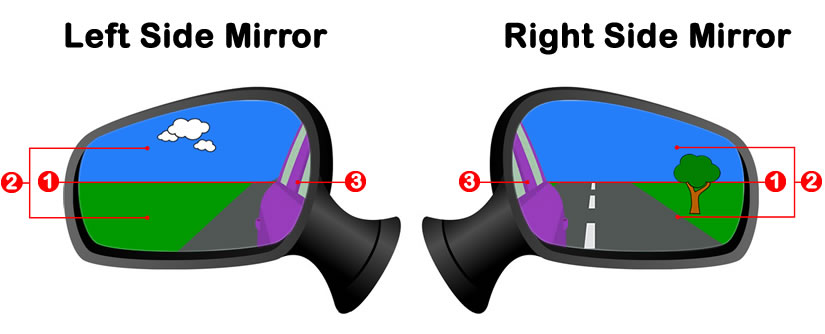
For generations, we've called them side mirrors. Or wing mirrors. Or even, less formally, just "the mirrors." But the seemingly simple reflectors bolted onto the sides of our vehicles – what we conventionally refer to as side mirrors – are on the cusp of a radical transformation. Their future, and perhaps even their very existence in their current form, is being challenged by a wave of technological advancements promising enhanced safety, improved aerodynamics, and a completely reimagined driving experience.
The Dawn of Camera Monitor Systems (CMS)
The most immediate threat to the traditional side mirror comes in the form of Camera Monitor Systems (CMS). Already legal in many markets, these systems replace conventional mirrors with cameras and interior displays. High-definition cameras, often employing HDR (High Dynamic Range) and optimized for low-light conditions, provide a significantly wider field of view, virtually eliminating blind spots. This is a major safety improvement, particularly for cyclists and pedestrians often obscured by traditional mirrors. Furthermore, CMS offers advantages in adverse weather. Rain, snow, and grime can severely impair the visibility of conventional mirrors, whereas camera lenses can be treated with hydrophobic coatings and even incorporate cleaning systems to maintain a clear image.
Electric vehicles (EVs) are particularly well-suited for CMS. Their aerodynamic focus allows for smaller, more streamlined camera housings, further reducing drag and improving energy efficiency. Even a small reduction in drag can translate to a measurable increase in range, a critical factor for EV adoption. Imagine an EV with completely integrated cameras, seamlessly blended into the bodywork, contributing to a smooth and efficient profile. This is the direction the industry is heading.
Smart Mirrors and Augmented Reality
Beyond simple camera replacement, the future holds the potential for smart mirrors. These systems could incorporate augmented reality (AR) overlays, projecting critical information directly onto the display. Imagine seeing lane departure warnings highlighted on the side view, or the speed and distance of approaching vehicles dynamically displayed. Such AR features could significantly enhance driver awareness and reduce reaction times, further improving safety.
Hybrid systems, utilizing both traditional mirrors and CMS, represent a more gradual transition. Drivers comfortable with conventional mirrors may prefer this approach, allowing them to adapt to the new technology at their own pace. However, the advantages of CMS, particularly in terms of safety and aerodynamics, are likely to drive widespread adoption in the long run.
Challenges and Considerations
While the potential benefits of CMS are undeniable, several challenges remain. One key concern is cost. High-quality cameras and displays can be expensive, potentially increasing the overall vehicle price. Ensuring the reliability and durability of these systems, particularly in harsh environments, is also crucial. Redundancy is another important consideration. What happens if a camera fails? A robust backup system, perhaps involving multiple cameras and automated switching, would be necessary to maintain safety.
Furthermore, driver acceptance is not guaranteed. Some drivers may find the displays disorienting or difficult to adjust to. Training and education will be essential to ensure that drivers understand how to use CMS effectively. Legal and regulatory frameworks will also need to adapt to these new technologies, establishing clear standards for performance and safety.
The Impact on Automotive Design
The evolution of side mirrors will also have a profound impact on automotive design. The absence of traditional mirrors will free up designers to create more streamlined and aerodynamic vehicles. Integrated camera systems will allow for cleaner lines and more visually appealing profiles. We may even see completely new body shapes emerge, optimized for efficiency and performance, without the constraints imposed by traditional mirror placement.
Smart automotive solutions are increasingly interconnected. CMS can be integrated with other advanced driver-assistance systems (ADAS), such as lane keeping assist and blind spot monitoring, to create a more comprehensive safety net. Data from the cameras can also be used to improve the accuracy of autonomous driving systems, providing a richer and more detailed understanding of the surrounding environment.
A Vision of the Future
In the not-so-distant future, the concept of "side mirrors" as we know them will likely be obsolete. Instead, we will have sophisticated camera and display systems that provide a comprehensive and enhanced view of the world around us. These systems will be seamlessly integrated into the vehicle, contributing to improved safety, increased efficiency, and a more enjoyable driving experience. The focus will shift from simply seeing what's behind us to proactively anticipating potential hazards and making informed decisions. The simple reflector will become a sophisticated sensor, a crucial element in the evolving landscape of smart and autonomous mobility. Our current vocabulary will need to change. We'll likely be talking about "lateral visual assistance systems" or something equally descriptive and far more sophisticated than the humble "side mirror." The era of passive reflection is ending; the age of active, intelligent vision is beginning.