
What Are The Signs Of A Bad Fuel Injector
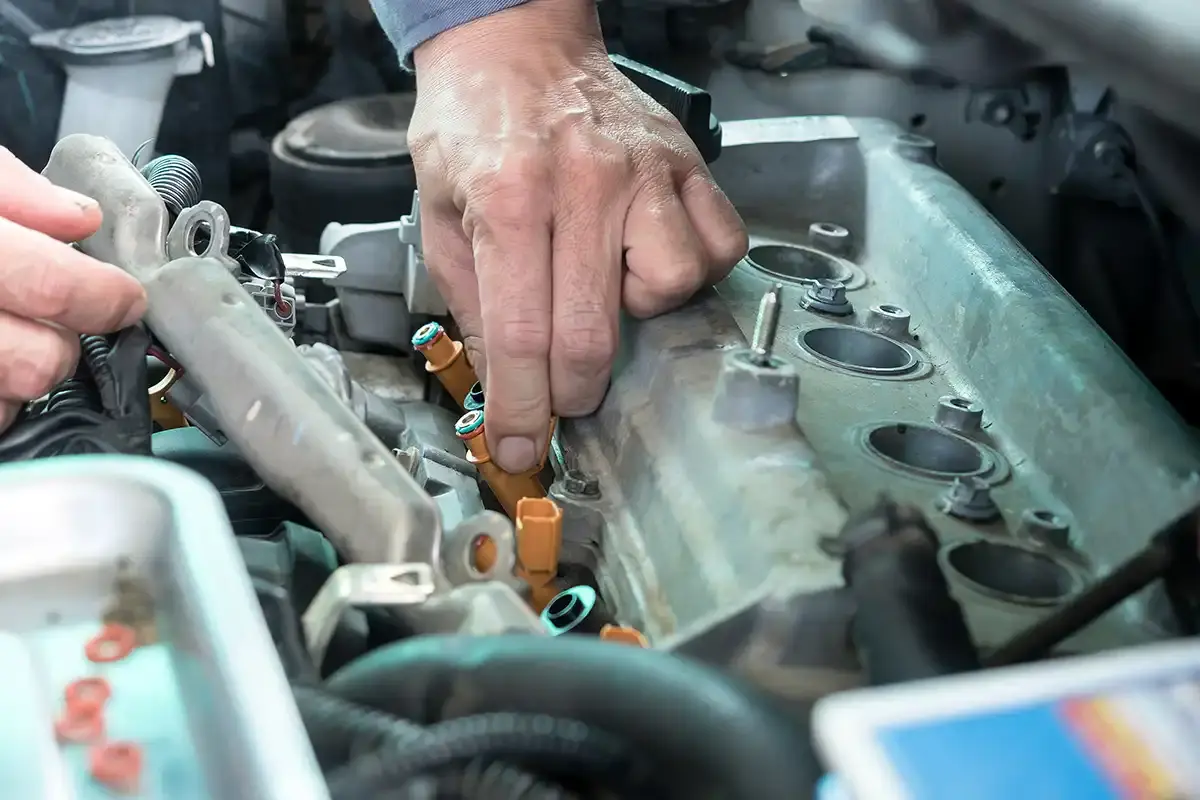
Fuel injectors are critical components in modern internal combustion engines, responsible for delivering precise amounts of fuel into the engine's cylinders for combustion. A malfunctioning fuel injector can lead to a range of performance issues, reduced fuel economy, and potentially even engine damage. Recognizing the signs of a bad fuel injector early on can save you time, money, and a major headache. This article will delve into the common symptoms, causes, and diagnostic steps associated with faulty fuel injectors.
Common Symptoms of a Bad Fuel Injector
Several telltale signs can indicate a problem with your vehicle's fuel injectors. These can range from subtle changes in engine performance to more obvious and concerning issues. Pay close attention to these symptoms:
- Poor Fuel Economy: This is often one of the first and most noticeable indicators. A leaky or improperly spraying injector can flood the cylinder with excess fuel, leading to a richer air-fuel mixture and decreased miles per gallon.
- Rough Idling: A clogged or malfunctioning injector can disrupt the smooth operation of the engine at idle, resulting in a shaky or uneven idle. The engine might feel like it's struggling to maintain a steady RPM.
- Misfiring Engine: A fuel injector that isn't delivering enough fuel to a cylinder can cause a misfire. You'll likely feel a distinct "stutter" or hesitation during acceleration. This can also trigger the Check Engine Light.
- Check Engine Light (CEL): A faulty fuel injector often triggers the CEL. The diagnostic trouble codes (DTCs) will usually point to a specific cylinder misfire (e.g., P0301 - Cylinder 1 Misfire) or a fuel injector circuit problem (e.g., P0201 - Injector Circuit Malfunction - Cylinder 1).
- Hesitation During Acceleration: A failing injector might not be able to deliver the necessary fuel under load, leading to a noticeable delay or hesitation when you press the accelerator pedal.
- Fuel Leaks: A damaged or cracked injector can leak fuel, creating a fire hazard and a strong fuel smell. Inspect the fuel rail and injectors for any signs of fuel leakage.
- Engine Knocking or Pinging: A lean air-fuel mixture (too much air, not enough fuel) caused by a restricted injector can lead to engine knocking or pinging, especially under load. This is due to uncontrolled detonation in the cylinder.
- Fuel Smell: A strong fuel odor, particularly after the engine is turned off, could indicate a leaking fuel injector or fuel line.
Causes of Fuel Injector Failure
Several factors can contribute to fuel injector problems. Understanding these causes can help prevent future issues:
- Clogging: This is the most common cause. Over time, deposits from fuel (varnish, carbon) can accumulate inside the injector, restricting fuel flow. Using low-quality fuel exacerbates this problem. Fuel injector cleaners can sometimes help, but severely clogged injectors may require professional cleaning or replacement.
- Electrical Issues: Problems with the injector's electrical circuit, such as a short circuit, open circuit, or a faulty wiring connection, can prevent the injector from functioning correctly.
- Physical Damage: The injector can be physically damaged due to impact, corrosion, or extreme temperatures.
- Wear and Tear: Like any mechanical component, fuel injectors wear out over time. The internal needle and spring can become fatigued, affecting the injector's spray pattern and flow rate.
- Contaminated Fuel: Debris or contaminants in the fuel can damage the delicate internal components of the fuel injector.
Diagnosing a Bad Fuel Injector
Proper diagnosis is crucial to accurately identify a faulty fuel injector. Here are some common diagnostic methods:
- OBD-II Scanner: Use an OBD-II scanner to retrieve any diagnostic trouble codes (DTCs) related to the fuel system. This will provide valuable information about which cylinders are experiencing problems.
- Fuel Injector Testing: A multimeter can be used to check the injector's resistance. An out-of-specification resistance reading indicates a problem with the injector's internal coil. Also, a noid light can be used to verify that the injector is receiving a signal from the ECU.
- Visual Inspection: Carefully inspect the fuel injectors for any signs of leaks, cracks, or damage.
- Listening to Injectors: Use a screwdriver as a stethoscope to listen to each injector. A healthy injector will produce a distinct "clicking" sound as it opens and closes. The absence of a click indicates a potential problem.
- Fuel Pressure Test: A fuel pressure gauge can be used to verify that the fuel system is delivering the correct pressure to the injectors.
- Injector Flow Test: This involves removing the injectors and testing their flow rate using specialized equipment. This is the most accurate way to determine if an injector is clogged or malfunctioning.
In conclusion, identifying the signs of a bad fuel injector early can prevent more serious engine problems and maintain optimal vehicle performance. By paying attention to the symptoms, understanding the causes, and employing proper diagnostic techniques, you can effectively troubleshoot and resolve fuel injector issues.