
What Are The Signs Of A Bad Oxygen Sensor
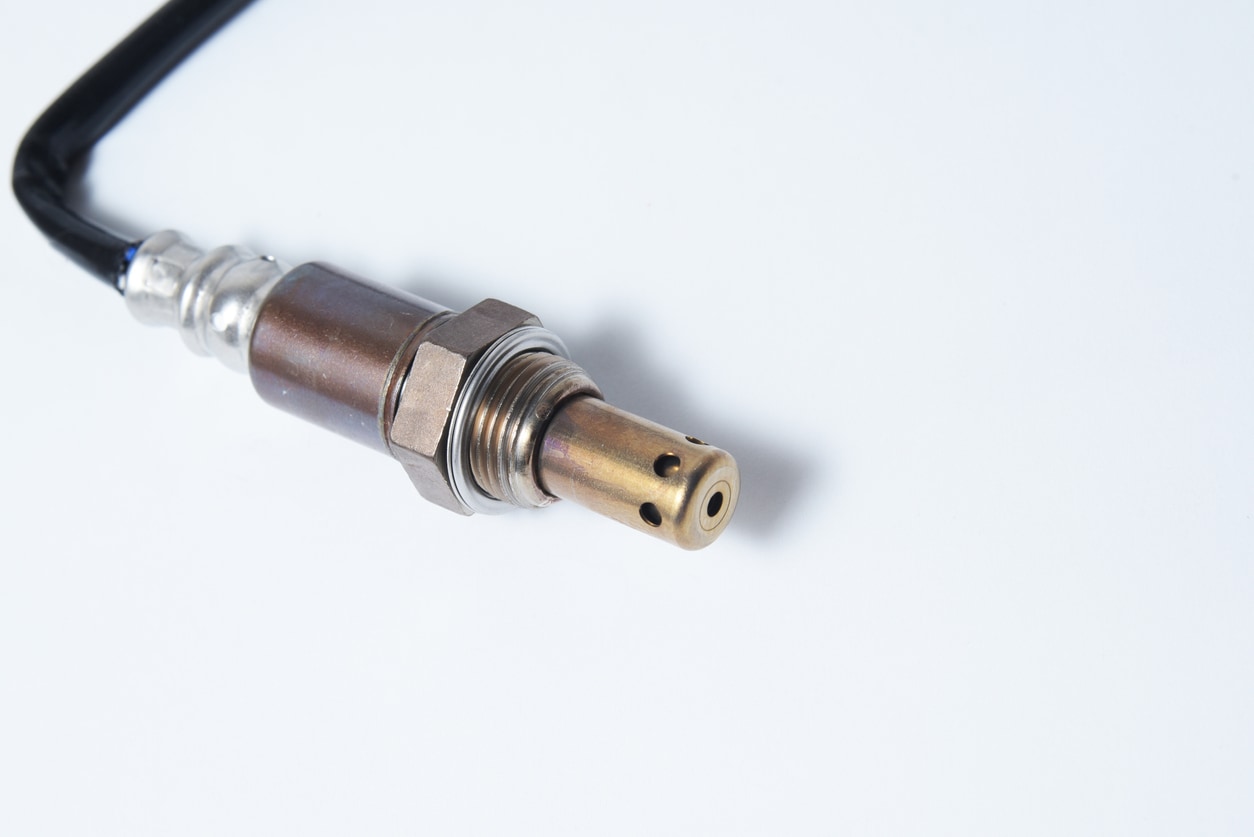
Is your car feeling sluggish? Maybe your gas mileage has taken a nosedive, or the check engine light is stubbornly glowing on your dashboard? While numerous issues can cause these problems, a faulty oxygen sensor is a common culprit. As a service advisor, I see this issue all the time. Let's break down the signs of a bad oxygen sensor and what you can do about it.
What Does an Oxygen Sensor Do Anyway?
Before we dive into the symptoms, let's quickly recap the oxygen sensor's role. Your car's engine needs a precise air-to-fuel ratio for optimal combustion. The oxygen sensor, located in the exhaust system (usually before and after the catalytic converter), constantly monitors the amount of oxygen in the exhaust gases. This data is then relayed to the engine control unit (ECU), which adjusts the fuel mixture accordingly. Think of it as a crucial feedback loop ensuring your engine runs efficiently and cleanly.
Signs Your Oxygen Sensor Might Be Failing
Here's a breakdown of the most common symptoms indicating a potential problem with your oxygen sensor:
1. Illuminated Check Engine Light
This is often the first and most obvious sign. While the check engine light can signal many different issues, a specific diagnostic trouble code (DTC) related to the oxygen sensor will point directly to the problem. You'll need an OBD-II scanner to read these codes. Common codes associated with oxygen sensor issues include P0130 through P0167 and P0420, among others. Even if the check engine light is on for something else, it's crucial to have it scanned to rule out other potential problems.
2. Reduced Fuel Efficiency
A faulty oxygen sensor can cause the ECU to misinterpret the oxygen levels in the exhaust. This can lead to the engine running rich (too much fuel) or lean (too little fuel). When the engine runs rich, you'll experience a noticeable decrease in gas mileage. You might find yourself filling up more often than usual, and your wallet will definitely feel the difference. Expect a drop of anywhere from 10% to 40% in your miles per gallon.
3. Poor Engine Performance
If the air-fuel mixture is off, your engine's performance will suffer. This can manifest in several ways:
- Hesitation or Stumbling: You might notice the engine hesitating or stumbling when you accelerate, especially from a stop. It might feel like the engine is struggling to get going.
- Rough Idling: The engine might idle roughly, vibrating excessively or stalling altogether. This is particularly noticeable when the car is stopped at a traffic light or in park.
- Lack of Power: You might experience a general lack of power, particularly when climbing hills or accelerating quickly. The engine simply won't feel as responsive as it used to.
4. Failed Emissions Test
A bad oxygen sensor can cause your car to fail an emissions test. Because the engine isn't burning fuel efficiently, it will produce higher levels of harmful pollutants, such as hydrocarbons (HC), carbon monoxide (CO), and nitrogen oxides (NOx). If your car fails an emissions test, the oxygen sensor should be one of the first things you check.
5. Unusual Smells
A failing oxygen sensor can sometimes lead to unusual smells emanating from the exhaust. If the engine is running rich, you might smell a strong odor of gasoline. This is because unburned fuel is being expelled through the exhaust system.
6. Catalytic Converter Damage
This is a more severe consequence of a prolonged oxygen sensor failure. If the engine consistently runs rich due to a bad sensor, the excess fuel can overheat and damage the catalytic converter. Replacing a catalytic converter is significantly more expensive than replacing an oxygen sensor, so addressing the issue early is crucial. In some cases, a faulty oxygen sensor may even be the result of catalytic converter failure or damage that has "soaked" back into the sensor.
Diagnosing a Bad Oxygen Sensor
While the symptoms above are strong indicators, proper diagnosis is essential. Here's what a mechanic will typically do:
- OBD-II Scan: Using an OBD-II scanner to retrieve diagnostic trouble codes (DTCs) is the first step.
- Visual Inspection: The sensor itself will be visually inspected for damage, corrosion, or loose wiring.
- Live Data Analysis: A mechanic can use a scan tool to monitor the oxygen sensor's real-time performance, including voltage readings. Abnormal voltage fluctuations or a lack of response can indicate a problem.
- Multimeter Testing: A multimeter can be used to test the sensor's resistance and voltage output, further confirming its functionality.
Tools You Might Need
If you're comfortable tackling this job yourself, here are some tools you'll likely need:
- OBD-II Scanner: To read and clear diagnostic trouble codes.
- Oxygen Sensor Socket: A specialized socket designed to remove and install oxygen sensors without damaging them.
- Wrench Set: For removing any surrounding components that might be in the way.
- Penetrating Oil: To loosen stubborn or corroded sensors.
- Multimeter (Optional): For more in-depth testing.
- Gloves and Safety Glasses: For protection.
Replacement Costs
The cost to replace an oxygen sensor can vary depending on the make and model of your car, the location of the sensor (upstream or downstream), and whether you're doing it yourself or hiring a mechanic.
- DIY: The cost of the oxygen sensor itself can range from $50 to $200, depending on the brand and type.
- Professional Installation: Expect to pay between $150 and $400, including parts and labor. Labor costs typically range from $75 to $150 per hour. Keep in mind that some vehicles have multiple oxygen sensors, and replacing them all at once can be more cost-effective in the long run, especially if they're all the same age.
Important Considerations
- Sensor Location: Upstream sensors (before the catalytic converter) play a more critical role in fuel management than downstream sensors (after the catalytic converter), which primarily monitor the converter's efficiency.
- Sensor Type: Make sure you purchase the correct type of oxygen sensor for your vehicle. Consult your owner's manual or a reliable parts supplier.
- Thread Anti-Seize: When installing a new oxygen sensor, apply a small amount of thread anti-seize compound to the threads to prevent future corrosion and make removal easier.
- Battery Reset: After replacing the oxygen sensor, you may need to reset the ECU by disconnecting the negative battery terminal for a few minutes. This will allow the ECU to learn the new sensor's readings.
Conclusion
A failing oxygen sensor can cause a variety of problems, from decreased fuel efficiency to poor engine performance. Addressing the issue promptly can prevent more serious damage to your engine and catalytic converter. If you suspect your oxygen sensor is failing, don't delay in getting it diagnosed and replaced. Regular maintenance and addressing issues early on will save you time, money, and frustration in the long run. If you're not comfortable performing the repair yourself, consult a qualified mechanic to ensure the job is done correctly.