
What Are The Symptoms Of A Bad Water Pump
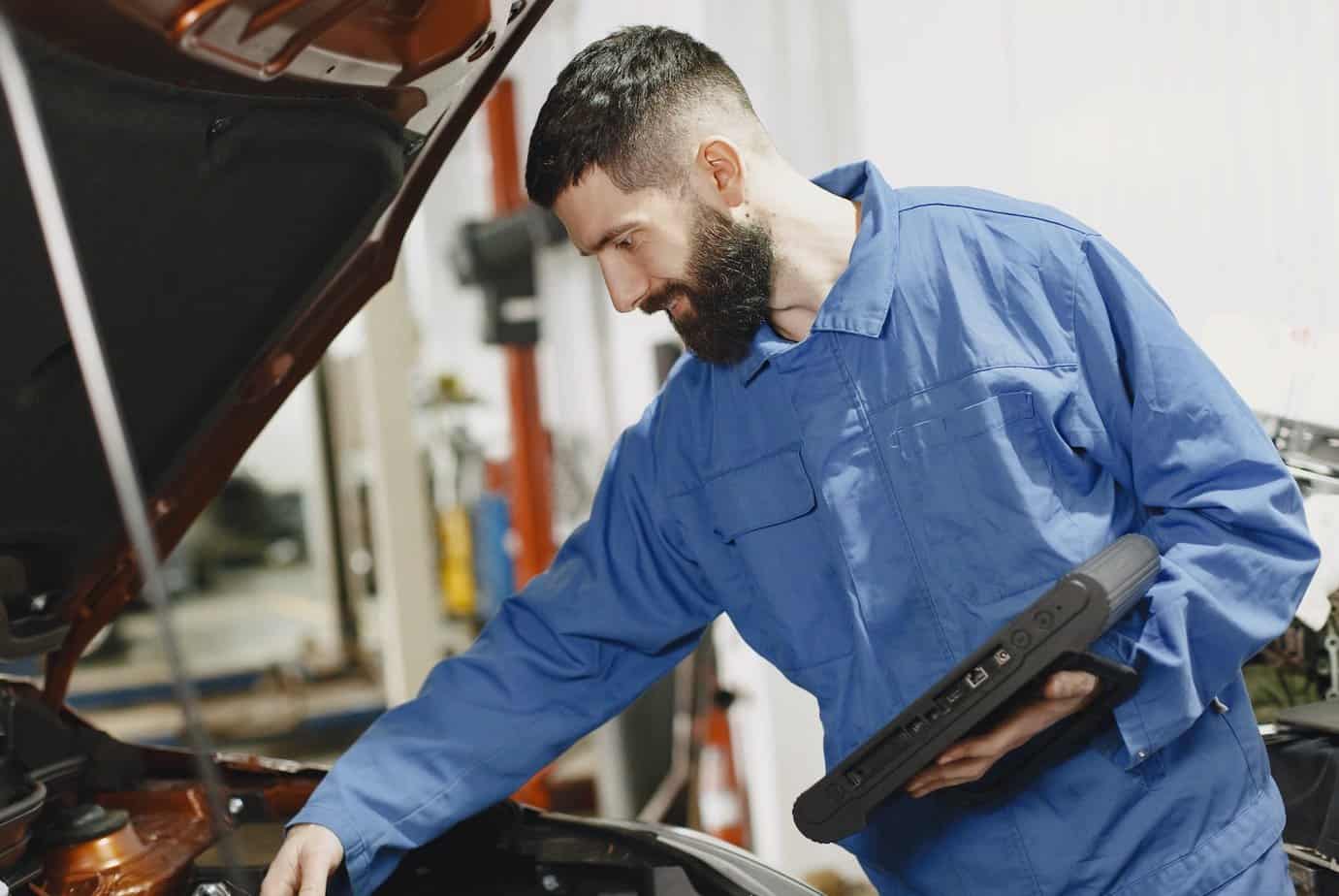
The humble water pump. Often overlooked, yet utterly critical to the health and longevity of any internal combustion engine (ICE). While the automotive world is rapidly electrifying, millions of ICE vehicles remain on the road, and understanding their maintenance needs is still paramount. Even as we embrace electric vehicles (EVs) and their relatively simpler cooling systems, the principles of thermal management learned from decades of ICE development are directly informing EV battery cooling technologies. So, what happens when this unsung hero of the ICE – the water pump – starts to fail? And how is this knowledge relevant to the future of mobility?
Recognizing the Signs: A Modern Approach
Traditionally, the symptoms of a failing water pump have been relatively straightforward: overheating, coolant leaks, a whining noise from the engine bay, and a wobbly pulley. However, modern vehicles with sophisticated sensor systems and integrated diagnostics can provide earlier and more nuanced warnings. Let's delve into these symptoms with an eye toward future advancements:
- Overheating: This remains the most obvious sign. But in a modern vehicle, the ECU (Engine Control Unit) might detect the rising temperature and trigger a warning light before the engine actually overheats to a damaging degree. Future systems will likely use predictive algorithms, analyzing coolant temperature trends over time to anticipate pump failure and alert the driver proactively. Imagine an AI-powered system that learns your driving habits and anticipates potential issues before they become critical.
- Coolant Leaks: Look for puddles of coolant (usually green, pink, or orange) under the vehicle, particularly near the front of the engine. In the future, vehicles might employ integrated coolant level sensors with enhanced leak detection capabilities. These sensors could pinpoint even minor leaks and send notifications to the driver or even directly to a service center, minimizing potential damage.
- Unusual Noises: A failing water pump bearing can produce a high-pitched whine or grinding noise that increases with engine speed. Modern vehicles are getting quieter overall, which means these noises may become more noticeable. Future advancements in acoustic diagnostics could potentially use microphones and advanced signal processing to identify specific water pump noises, even amidst the general engine sounds. This data, combined with AI, could provide highly accurate diagnoses.
- Dashboard Warning Lights: The dreaded check engine light (CEL) or temperature warning light can illuminate. Modern vehicles can often provide specific diagnostic trouble codes (DTCs) that point directly to a cooling system issue. In the future, these DTCs will become even more detailed and informative, providing technicians with precise guidance for repair. Think augmented reality repair manuals overlaid on the engine itself.
- Coolant Circulation Issues: In some cases, the water pump might be partially functioning, leading to inconsistent coolant circulation. This can manifest as temperature fluctuations or poor heater performance. Future vehicles equipped with smart climate control systems could detect these subtle circulation problems by monitoring temperature sensors throughout the cooling system and adjusting pump speed accordingly, or even alerting the driver to a potential issue.
The Electric Vehicle Connection: Thermal Management Reimagined
While EVs don't have traditional water pumps in the same sense, the principles of thermal management remain crucial. EV batteries generate significant heat during charging and discharging, and maintaining optimal battery temperature is essential for performance, longevity, and safety. EVs utilize sophisticated cooling systems, often employing liquid coolants and electric pumps to circulate coolant around the battery pack. These electric pumps, though different in design, share similar failure modes with traditional water pumps – reduced flow, noise, and potential leaks. The diagnostic techniques and sensor technologies being developed for ICE vehicles are directly applicable to EV cooling systems. Furthermore, advancements in materials science are leading to more efficient and durable pumps for both ICE and EV applications.
Hybrid systems represent an interesting intermediate step. They often combine ICE and electric components, requiring complex thermal management strategies that integrate both traditional water pumps and electric pumps. Understanding the interplay between these systems is critical for diagnosing and repairing hybrid vehicles.
Challenges and Opportunities
The transition to EVs presents several challenges for the automotive industry. Mechanics need to be retrained to diagnose and repair EV cooling systems. The supply chain needs to adapt to the growing demand for electric pumps and specialized coolants. And the cost of EV repairs can be a barrier to adoption for some consumers. However, these challenges also represent significant opportunities. New jobs will be created in the EV service sector. Innovation in materials and manufacturing will drive down the cost of EV components. And the development of advanced diagnostic tools will improve the efficiency and accuracy of EV repairs.
The future of mobility is undoubtedly electric. But the knowledge and experience gained from decades of working with ICE vehicles are invaluable as we transition to this new era. By embracing innovation and adapting to changing technologies, we can ensure that the future of mobility is both sustainable and reliable.
A Vision of the Future
Imagine a future where vehicles are equipped with self-diagnosing cooling systems that can predict and prevent failures before they occur. These systems will use a combination of sensors, AI, and machine learning to monitor the health of the water pump (or its EV equivalent) in real-time. When a potential issue is detected, the vehicle will automatically schedule a service appointment and even order the necessary parts. This future is not just a dream; it's a realistic possibility driven by the relentless pace of technological advancement. The water pump, in its various forms, will continue to play a vital role in keeping us moving, safely and efficiently, into the future.