
What Causes Rpm To Fluctuate While Idling
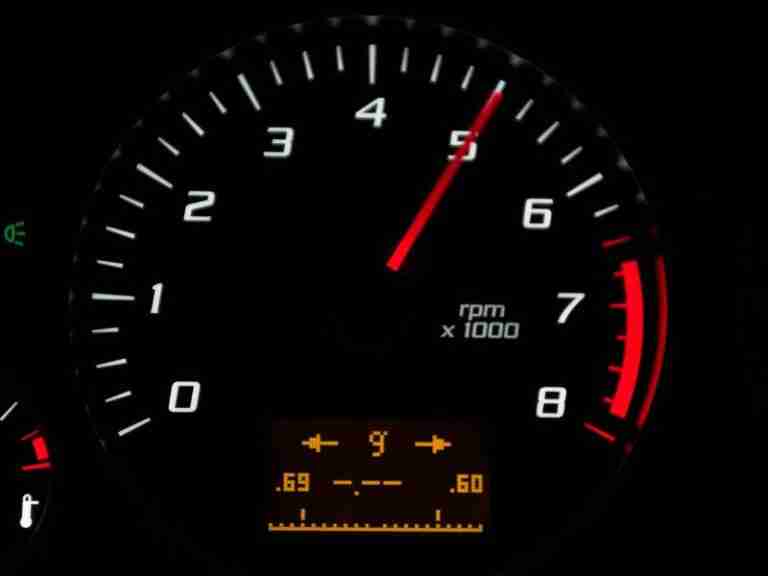
An erratic idle, where your engine RPMs fluctuate up and down while your car is stationary, can be frustrating and a sign of underlying problems. While it might seem minor at first, ignoring it can lead to decreased fuel economy, rough running, and potentially more serious engine damage. This article will break down the common causes of RPM fluctuations at idle in a way that's understandable for car enthusiasts, owners, and hobby mechanics alike.
Vacuum Leaks: The Invisible Culprit
Think of your engine as a sophisticated air pump. It needs a precise mixture of air and fuel to run smoothly. A vacuum leak throws this balance off by letting unmetered air into the intake manifold. This extra air leans out the air-fuel mixture, causing the engine to stumble and the RPMs to drop. The engine control unit (ECU), the car's brain, tries to compensate by adding more fuel, which can then cause the RPMs to surge. This constant correction results in the characteristic fluctuating idle.
Where do these vacuum leaks come from? They can originate from several sources:
- Cracked or Disconnected Vacuum Hoses: These rubber hoses connect various components, like the brake booster, PCV valve, and fuel pressure regulator, to the intake manifold. Over time, they can become brittle, crack, or simply detach. A common example is the vacuum hose connecting to the brake booster on older BMW 3 Series (E30, E36) models. A crack in this hose can create a noticeable idle surge.
- Intake Manifold Gaskets: The intake manifold is bolted to the engine's cylinder head. A gasket seals the connection between them. If this gasket deteriorates, it can create a leak. This is a relatively common issue on older Ford Mustangs with the 5.0L engine, where the intake manifold gasket can dry out and crack.
- Throttle Body Gasket: Similar to the intake manifold gasket, the throttle body also uses a gasket to seal against the intake manifold. Leaks here can be equally disruptive.
- PCV Valve Problems: The Positive Crankcase Ventilation (PCV) valve regulates pressure within the engine. A faulty PCV valve or its associated hoses can cause a vacuum leak. On many Honda Civics, a stuck-open PCV valve can be a source of idle instability.
- EGR Valve Issues: The Exhaust Gas Recirculation (EGR) valve recirculates exhaust gases back into the intake manifold to reduce emissions. If the EGR valve is stuck open or has a leaky gasket, it can introduce excess exhaust gas into the intake, causing idle fluctuations.
Finding vacuum leaks can be tricky. One common method involves spraying a small amount of carburetor cleaner or starting fluid around suspected leak areas while the engine is idling. If the RPMs momentarily increase when you spray a particular area, you've likely found a leak. Be extremely careful when using flammable liquids near a hot engine! Another method involves using a smoke machine to introduce smoke into the intake system and visually identify where it escapes.
Dirty or Faulty Idle Air Control (IAC) Valve
The Idle Air Control (IAC) valve, also known as the Idle Speed Control (ISC) valve in some vehicles, is a small motor-operated valve that regulates the amount of air bypassing the throttle plate when the engine is at idle. This allows the ECU to precisely control the idle speed and maintain a stable RPM.
Over time, the IAC valve can become clogged with carbon deposits or malfunction. A dirty or faulty IAC valve can restrict or allow too much airflow, causing the idle to fluctuate or stall. This is a common issue on older Toyota Camrys and Corollas. Cleaning the IAC valve with carburetor cleaner can sometimes resolve the problem. However, if the valve is electrically faulty, it will need to be replaced.
Symptoms of a Bad IAC Valve:
- Fluctuating idle speed
- Stalling when coming to a stop
- Rough idle
- Idle speed too high or too low
Throttle Body Issues
The throttle body controls the amount of air entering the engine. A dirty throttle body can restrict airflow and cause idle problems. Carbon buildup around the throttle plate can prevent it from closing completely, leading to an unstable idle. Cleaning the throttle body with throttle body cleaner is a relatively simple task that can often resolve idle issues. Make sure to use a cleaner specifically designed for throttle bodies, as carburetor cleaner can damage certain components.
Furthermore, the throttle position sensor (TPS) is mounted on the throttle body and provides the ECU with information about the throttle plate's position. A faulty TPS can send incorrect signals to the ECU, leading to incorrect fuel delivery and ignition timing, which can manifest as an erratic idle. A failing TPS can also cause hesitation during acceleration.
Fuel System Problems
While less common, problems with the fuel system can also contribute to fluctuating idle RPMs. These can include:
- Clogged Fuel Injectors: Dirty or clogged fuel injectors can restrict fuel flow, leading to a lean air-fuel mixture and a rough idle. Fuel injector cleaner can sometimes help, but severely clogged injectors may need to be professionally cleaned or replaced.
- Weak Fuel Pump: A failing fuel pump may not provide adequate fuel pressure, especially at idle when the engine is not demanding much fuel. This can cause the engine to run lean and stumble.
- Fuel Pressure Regulator Issues: The fuel pressure regulator maintains a constant fuel pressure in the fuel rail. A faulty regulator can cause fluctuations in fuel pressure, leading to an unstable idle.
Electrical Issues
Electrical gremlins can also cause idle problems. A faulty Mass Airflow (MAF) sensor, for example, can provide incorrect readings to the ECU, resulting in an incorrect air-fuel mixture and a fluctuating idle. Likewise, problems with the ignition system, such as faulty spark plugs, ignition coils, or wiring, can also contribute to a rough idle. For example, a failing ignition coil on a Volkswagen Jetta can cause a noticeable misfire and idle fluctuation.
ECU Problems (Rare)
Although rare, a faulty ECU can also cause idle problems. The ECU controls virtually every aspect of the engine's operation, and if it malfunctions, it can lead to erratic behavior, including a fluctuating idle. However, before suspecting the ECU, it's essential to rule out all other potential causes.
Practical Takeaways
So, what can you do if your car's idle is fluctuating?
- Start with the Basics: Check for any obvious vacuum leaks, such as cracked or disconnected hoses. Visually inspect the intake manifold and throttle body for any signs of damage.
- Clean the Throttle Body and IAC Valve: Cleaning these components is a relatively simple and inexpensive task that can often resolve idle problems.
- Check for Trouble Codes: Use an OBD-II scanner to check for any trouble codes stored in the ECU. These codes can provide valuable clues about the underlying problem.
- Smoke Test: If you suspect a vacuum leak but can't find it visually, consider performing a smoke test.
- Test the Sensors: Use a multimeter to test the MAF sensor, TPS, and other relevant sensors to ensure they are functioning correctly.
- Professional Diagnosis: If you've exhausted all other options and are still unable to diagnose the problem, it's best to take your car to a qualified mechanic for professional diagnosis and repair.
By understanding the common causes of RPM fluctuations at idle and following these practical steps, you can effectively diagnose and address the problem, ensuring your car runs smoothly and efficiently.