
What Do Car Dealers Use For New Car Smell
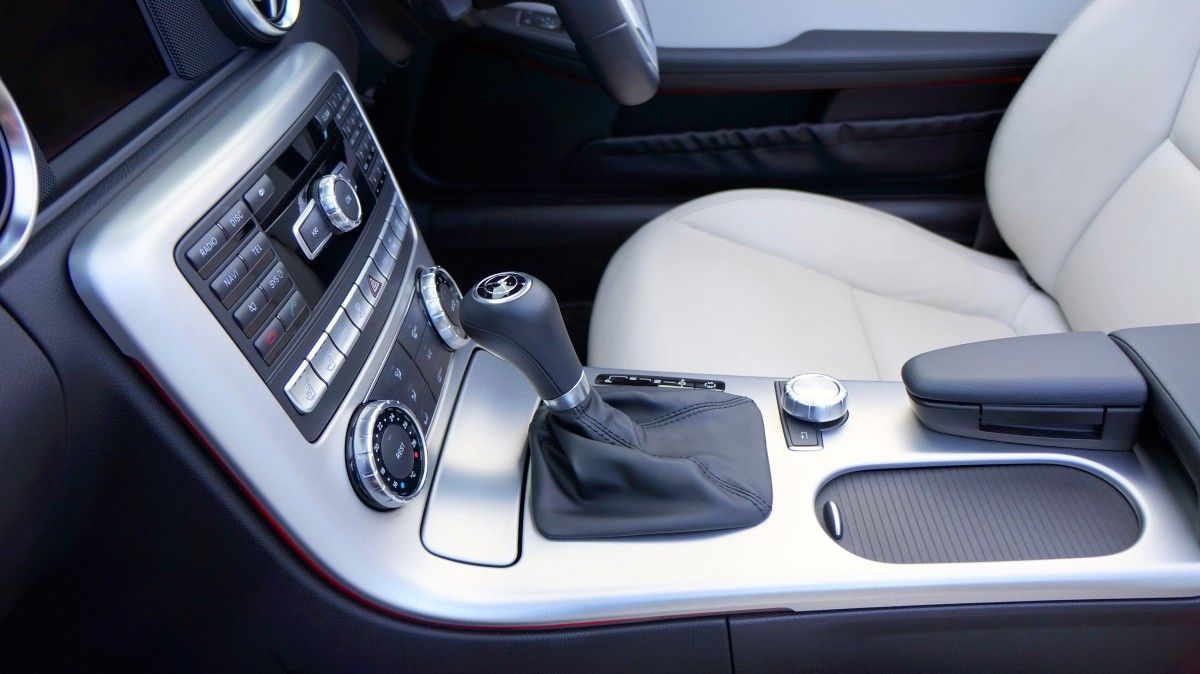
Ah, that new car smell. It's a potent olfactory cocktail, a siren song that whispers promises of pristine ownership and driving pleasure. But what *is* it, exactly? And is it intentionally added by car dealerships to enhance the perceived value of their vehicles? The answer, as with many things automotive, is layered and more complex than you might initially suspect. While dealerships don't typically go around spraying "new car smell" from an aerosol can, they certainly understand and subtly influence the factors that contribute to it.
Understanding the Volatile Organic Compounds (VOCs)
The primary source of that distinctive new car smell isn't a single ingredient, but rather a complex blend of volatile organic compounds (VOCs). VOCs are organic chemicals that have a high vapor pressure at ordinary room temperature. This means they easily evaporate into the air, allowing us to detect them with our sense of smell.
In a new car, these VOCs are released from a variety of sources, including:
- Plastics: The dashboards, door panels, and other interior components are often made from various types of plastics, like polyvinyl chloride (PVC), acrylonitrile butadiene styrene (ABS), and polypropylene. These plastics contain additives such as plasticizers (like phthalates) that make them more pliable. These plasticizers gradually evaporate over time, contributing to the smell.
- Adhesives: Many adhesives are used to bond different materials together within the car's interior. These adhesives often contain solvents that are released as VOCs.
- Textiles: The seats, carpets, and headliners are made from fabrics that may be treated with dyes, coatings, and flame retardants. These treatments can release VOCs.
- Rubbers: Tires, hoses, and other rubber components also contribute to the VOC mix.
- Leather: While some high-end cars use genuine leather, many use synthetic leather or leatherette. These materials, along with the tanning agents used on genuine leather, release VOCs.
- Paints and Coatings: Interior paints, clear coats, and protective coatings also emit VOCs as they cure.
The specific composition of VOCs varies depending on the car's make, model, and the materials used in its construction. However, common VOCs found in new car interiors include toluene, xylene, ethylbenzene, styrene, and formaldehyde. While these chemicals are generally present in low concentrations, prolonged exposure can cause health concerns, such as headaches, nausea, and respiratory irritation. This is often referred to as "sick car syndrome," though severe reactions are rare.
The Role of Dealerships
While dealerships aren't actively spraying synthetic "new car smell," they play a significant role in maintaining and even subtly enhancing the presence of VOCs.
Minimizing Ventilation
One of the most significant factors is controlled ventilation. Dealerships generally keep new cars stored indoors or under covered areas, minimizing exposure to direct sunlight and excessive ventilation. Sunlight and airflow accelerate the evaporation of VOCs, causing the "new car smell" to dissipate more quickly. By limiting ventilation, dealerships help preserve the concentration of VOCs, prolonging the smell's lifespan.
Protective Wrappings
New cars are often delivered with protective plastic coverings on the seats, steering wheel, and other interior surfaces. These coverings not only protect the materials from damage during transport but also help to trap VOCs within the cabin, further concentrating the smell. Dealerships typically remove these coverings only when preparing the car for delivery to the customer, maximizing the initial impact of the "new car smell."
Detailing Practices
Dealerships employ professional detailing services to ensure that new cars are presented in pristine condition. These detailing practices can indirectly influence the "new car smell." While they don't typically use specific "new car smell" fragrances, they use cleaning products designed to remove dirt, grime, and other contaminants that can mask the underlying VOCs. This can help to enhance the perception of the existing "new car smell."
Aftermarket Products
In some cases, dealerships may offer aftermarket products designed to enhance the interior appearance and smell of a new car. These products can include interior protectants, leather conditioners, and air fresheners. While these products aren't specifically designed to replicate the "new car smell," they can contribute to a pleasant and clean-smelling interior, which can indirectly enhance the overall perception of newness.
Debunking the Myth of "New Car Smell" Sprays
Despite popular belief, it's relatively uncommon for dealerships to use dedicated "new car smell" sprays to artificially enhance the aroma of their vehicles. There are a few reasons for this:
- Consumer Preference: The appeal of the "new car smell" is subjective. Some people find it pleasant and desirable, while others find it irritating or even offensive. Dealerships generally avoid using artificial fragrances that might alienate potential customers.
- Cost: Applying a "new car smell" spray to every new car on the lot would be a significant expense.
- Effectiveness: Artificial fragrances often mask the underlying VOCs rather than replicating them accurately. The result can be an artificial and unnatural smell that detracts from the overall perception of newness.
- Liability: There's some (albeit limited) potential liability involved in adding potentially allergenic fragrances to vehicles.
That being said, aftermarket companies do sell “new car smell” air fresheners. These are often composed of a blend of synthetic fragrances designed to mimic the key olfactory notes associated with new car interiors. The ingredients are usually proprietary but are a mix of esters, aldehydes and other fragrant organic compounds.
The Future of New Car Smell
As awareness of the potential health effects of VOCs grows, car manufacturers are actively working to reduce their emissions. This involves using alternative materials with lower VOC content, such as water-based adhesives and low-VOC paints and coatings. Some manufacturers are also exploring the use of natural materials, such as plant-based fibers and biodegradable plastics.
The shift towards electric vehicles (EVs) may also impact the future of the "new car smell." EVs have fewer mechanical components than gasoline-powered vehicles, which can reduce the number of potential VOC sources. However, EVs still rely on plastics, adhesives, and other materials that can release VOCs.
Ultimately, the "new car smell" may become a thing of the past as manufacturers prioritize sustainability and reduce VOC emissions. Whether this is a positive or negative development depends on your personal preference. For some, it will be a welcome relief from potentially harmful chemicals. For others, it will be the loss of a nostalgic and iconic aroma.
DIY Tips for Managing (or Creating) the Scent
For the DIYer, you have a few options, depending on your goal:
- Reducing VOCs: If you are sensitive to the smell, or concerned about the health effects, ensure ample ventilation. Park the car in direct sunlight with the windows open (weather permitting). Use an activated carbon air filter. Avoid using harsh chemical cleaners on the interior.
- Maintaining (or Recreating) the Scent: As mentioned, there are "new car smell" air fresheners available. Be aware that these are *not* the same as the original VOCs, and will have a different (often synthetic) profile. Keeping the interior clean using *appropriate* cleaners (avoiding harsh solvents) is the best way to preserve any residual VOC scent. You can also try placing a small amount of leather conditioner on a hidden surface, as leather is a significant contributor to the scent.
Ultimately, the "new car smell" is a complex and evolving phenomenon. While dealerships play a role in maintaining its presence, the primary source is the VOCs released from the various materials used in car construction. As technology and consumer preferences change, the "new car smell" may become less prevalent, but its cultural significance is likely to endure for years to come.