
What Do Catalytic Converters Have In Them
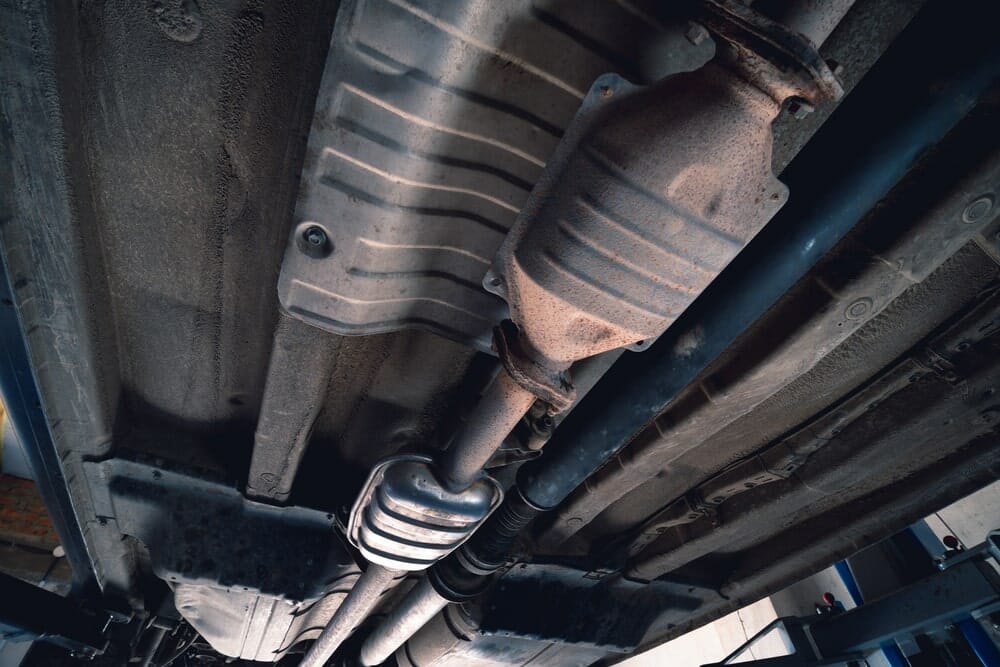
So, you're curious about what's *really* inside that catalytic converter hanging under your car, huh? It's more than just a metal can full of magic, although it *does* perform a bit of chemical wizardry. Let's crack it open (figuratively, of course – doing so without proper equipment and knowledge is a bad idea!) and see what makes these emission-reducing devices tick. This article will provide a detailed, technical explanation of the components within, like a seasoned mechanic explaining things to an experienced DIYer.
The Anatomy of a Catalytic Converter
First, let's talk about the physical structure. A catalytic converter isn't just a single component; it's an assembly. Here's a breakdown:
- Outer Shell: This is the stainless steel (usually 409-grade for its heat resistance and cost-effectiveness) housing you see. It protects the internal components from physical damage, road debris, and the elements.
- Insulation Layer: Between the outer shell and the internal catalyst substrate, there's often a layer of insulation. This can be a ceramic blanket or a fibrous material. Its job is to retain heat within the converter, ensuring it reaches its light-off temperature (the temperature at which the catalyst becomes active) quickly and remains efficient.
- The Substrate (or Core): This is the heart of the catalytic converter. It's the structure upon which the catalyst material is coated. There are two main types:
- Monolithic Ceramic Substrate: This is the most common type. It looks like a honeycomb structure, usually made of cordierite (a magnesium iron aluminum silicate). Cordierite is chosen for its thermal shock resistance – it can withstand rapid temperature changes without cracking. The honeycomb structure provides a large surface area for the catalyst to work on, minimizing exhaust flow restriction.
- Metallic Substrate: Less common in OEM applications due to cost, but often found in aftermarket high-performance converters. These substrates are made of thin, corrugated sheets of stainless steel or other heat-resistant alloys, brazed together to form a similar honeycomb structure. They offer even better thermal conductivity and lower flow restriction compared to ceramic substrates, leading to potentially improved performance.
- The Washcoat: The substrate itself isn't catalytic. It's just a support structure. The active catalyst is applied as a thin layer called the washcoat. This is typically a high-surface-area aluminum oxide (Al2O3) based material. The washcoat increases the surface area even further, providing a place for the precious metals to adhere. Other materials, like cerium oxide (CeO2) are often added to the washcoat as oxygen storage components (OSC), which help buffer fluctuations in exhaust gas composition.
- The Catalyst (Precious Metals): This is where the real magic happens. These are the precious metals that catalyze the chemical reactions to reduce harmful emissions.
The Precious Metals: The Heart of the Conversion Process
The catalysts used in catalytic converters are primarily three precious metals:
- Platinum (Pt): Platinum is highly effective at oxidizing hydrocarbons (HC) and carbon monoxide (CO) into water (H2O) and carbon dioxide (CO2).
- Palladium (Pd): Palladium is also effective at oxidizing HC and CO, and is sometimes used in combination with platinum or as a replacement due to cost considerations.
- Rhodium (Rh): Rhodium is primarily used to reduce nitrogen oxides (NOx) into nitrogen (N2) and oxygen (O2). This is a crucial step in reducing smog-forming pollutants.
The specific ratio of these metals varies depending on the type of catalytic converter (two-way, three-way), the vehicle application, and emission regulations. Let's look at the different types.
Two-Way vs. Three-Way Catalytic Converters
Older vehicles often used two-way catalytic converters, which only addressed HC and CO oxidation. However, modern vehicles almost exclusively use three-way catalytic converters. These converters perform all three key reactions:
- Oxidation of HC: HC + O2 → H2O + CO2
- Oxidation of CO: CO + O2 → CO2
- Reduction of NOx: NOx → N2 + O2
The three-way converter achieves these reactions simultaneously, making it a much more effective emission control device. This requires careful control of the air-fuel ratio entering the converter, which is why oxygen sensors are crucial.
How the Catalyst Works
The process is best described as surface catalysis. The exhaust gases flow over the catalyst-coated substrate. The precious metals on the surface of the washcoat provide active sites where the pollutant molecules (HC, CO, NOx) are adsorbed (held to the surface). The adsorbed molecules then react with each other or with oxygen atoms also adsorbed on the surface. The resulting products (H2O, CO2, N2, O2) are then desorbed (released) from the surface, freeing up the active sites for more reactions to occur.
Think of it like a tiny, incredibly efficient chemical assembly line operating at high temperatures. The efficiency is highly dependent on maintaining the correct operating temperature and air-fuel ratio. A malfunctioning oxygen sensor or a rich-running engine can quickly poison or overheat the converter, reducing its effectiveness and potentially causing it to fail.
Catalyst Poisoning and Failure
Catalytic converters are robust, but they aren't indestructible. Several factors can lead to their failure:
- Lead Poisoning: Leaded gasoline (thankfully rare now) is a deadly poison for catalytic converters. Lead coats the catalyst, preventing it from functioning.
- Silicone Poisoning: Excessive silicone from certain engine sealants or coolant leaks can also coat the catalyst.
- Phosphorus Poisoning: Phosphorus, often found in engine oil additives, can also poison the catalyst. This is why it's critical to use the correct type and weight of oil in your vehicle.
- Overheating: Running too rich (too much fuel) can cause unburnt fuel to enter the converter. This fuel can ignite on the catalyst surface, leading to extremely high temperatures that can melt the substrate or damage the catalyst.
- Physical Damage: Impacts from road debris or a severely misfiring engine can physically damage the substrate, reducing its surface area and effectiveness.
Signs of a failing catalytic converter include a rotten egg smell (hydrogen sulfide, H2S), reduced engine performance, increased fuel consumption, and of course, a check engine light with codes related to catalyst efficiency (e.g., P0420, P0430).
In Summary
A catalytic converter is a complex device containing a blend of sophisticated materials designed to significantly reduce harmful emissions. Understanding its construction and operation can help you diagnose potential problems and appreciate the role it plays in keeping our air cleaner. While it's tempting to think of it as just a hunk of metal under your car, it's actually a carefully engineered piece of environmental technology. And knowing what's inside will make you appreciate it more... or at least give you a better understanding of why replacing it can be so expensive!
Important Note: Tampering with or removing a catalytic converter is illegal in many jurisdictions. Always consult local laws and regulations before making any modifications to your vehicle's emissions system.