
What Does A Air Conditioner Compressor Do
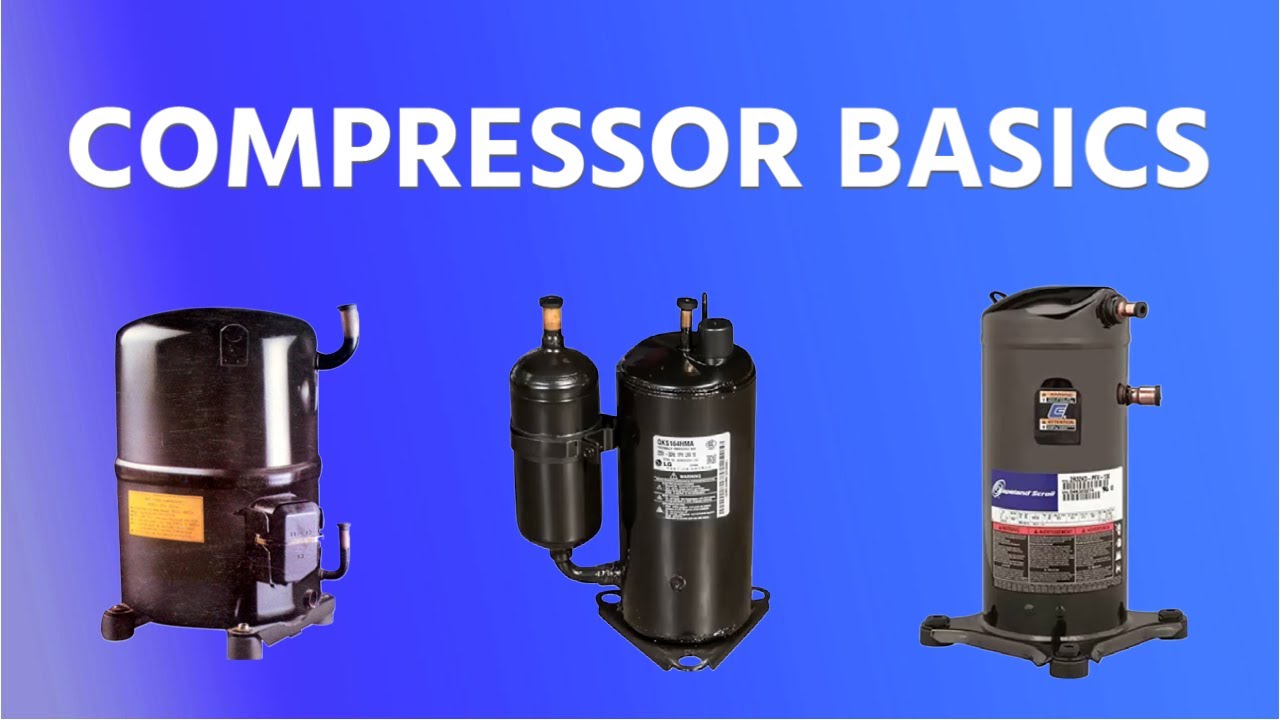
Okay, gearheads, let's talk about staying cool. No, not *that* kind of cool (though a vintage muscle car certainly helps). We're diving deep into the often-overlooked heart of your car's air conditioning system: the compressor. It's the unsung hero that transforms hot, sticky summer commutes into refreshing cruises. But what *exactly* does it do, and why should you care?
The Compressor's Core Function: Pressure Makes the Cool
At its most basic, the AC compressor is a pump. But instead of moving fluids like oil or water, it circulates refrigerant throughout the AC system. Think of it as the heart, pushing the refrigerant through a closed-loop, from the evaporator (where it absorbs heat inside the cabin) to the condenser (where it releases that heat outside the car). The compressor's primary job is to increase the pressure and temperature of the refrigerant vapor. This process is essential for the refrigerant to efficiently shed its absorbed heat in the condenser. Without a functioning compressor, your AC system is just blowing hot air.
Types of Compressors: From Rotary to Scroll
Not all compressors are created equal. Different designs offer varying levels of efficiency, reliability, and noise. Here's a breakdown of some common types:
- Piston Compressors: These are among the oldest designs. They use pistons to compress the refrigerant. While robust, they can be noisy and less efficient compared to newer technologies. Think of them as the old-school V8 of AC compressors – reliable but a bit crude.
- Rotary Vane Compressors: These use a rotating vane to compress the refrigerant. They're generally smaller and lighter than piston compressors but can be prone to wear over time.
- Scroll Compressors: These use two interleaving scrolls, one fixed and one orbiting, to compress the refrigerant. They're known for their smooth operation, high efficiency, and relatively low noise. Scroll compressors are becoming increasingly common in modern vehicles.
- Variable Displacement Compressors: This is where things get interesting. These compressors can adjust their output based on cooling demand. This means they don't always run at full capacity, which can improve fuel economy and reduce wear and tear.
Spec Table: Compressor Types Compared
| Compressor Type | Efficiency | Noise Level | Reliability | Common Applications |
|---|---|---|---|---|
| Piston | Low | High | High | Older Vehicles |
| Rotary Vane | Medium | Medium | Medium | Mid-Range Vehicles |
| Scroll | High | Low | High | Modern Vehicles |
| Variable Displacement | Very High | Low | Medium/High (depends on design) | Luxury and Fuel-Efficient Vehicles |
Pros and Cons: Keeping Your Cool Balanced
Let's break down the advantages and disadvantages of each compressor type:
Piston Compressors
- Pros: Durable, relatively inexpensive to repair.
- Cons: Noisy, less efficient, heavy.
Rotary Vane Compressors
- Pros: Compact size, lighter than piston compressors.
- Cons: Can be prone to wear, moderate efficiency.
Scroll Compressors
- Pros: Smooth operation, high efficiency, low noise.
- Cons: Can be more expensive to repair.
Variable Displacement Compressors
- Pros: Excellent fuel economy, reduces wear and tear, quieter operation.
- Cons: More complex design, potentially higher repair costs.
Real-World Driving Impressions: Feeling the Difference
So, how does all this translate to your driving experience? I recently spent a week swapping between a classic '70s muscle car with a rebuilt piston compressor AC and a modern hybrid with a variable displacement scroll compressor. The difference was night and day. The muscle car's AC struggled to keep up on a hot day, cycling on and off with noticeable clunks from the compressor. The hybrid, on the other hand, maintained a consistent, comfortable temperature with virtually no noticeable compressor noise or cycling. You could definitely feel the drag on the engine with the older car when the AC was running, compared to the hybrid where it was nearly imperceptible.
Another example: I drove a friend's late 90's sedan that was equipped with a rotary vane compressor and noticed that the AC performance would degrade substantially when the engine was at high RPM. This indicated a possible issue with the compressor's ability to maintain sufficient pressure at higher engine speeds, something less likely to occur with a scroll type.
The Future of Cool: Electric Compressors and Beyond
As electric vehicles become more prevalent, electric AC compressors are gaining traction. These compressors are powered directly by the battery and offer several advantages, including precise control and the ability to cool the cabin even when the engine isn't running. This is a major win for efficiency and comfort, especially in stop-and-go traffic.
Beyond electric compressors, manufacturers are also exploring new refrigerants with lower global warming potential and more efficient heat transfer characteristics. The future of automotive air conditioning is all about efficiency, sustainability, and, of course, keeping you cool behind the wheel.
Think your vintage ride needs an AC upgrade? Remember, a well-maintained AC system not only keeps you comfortable but also extends the life of other components. Now, for the real question: Which is more important - raw horsepower, or ice-cold AC on a sweltering track day? Let the debate begin!