
What Does A Bad Camshaft Sensor Look Like
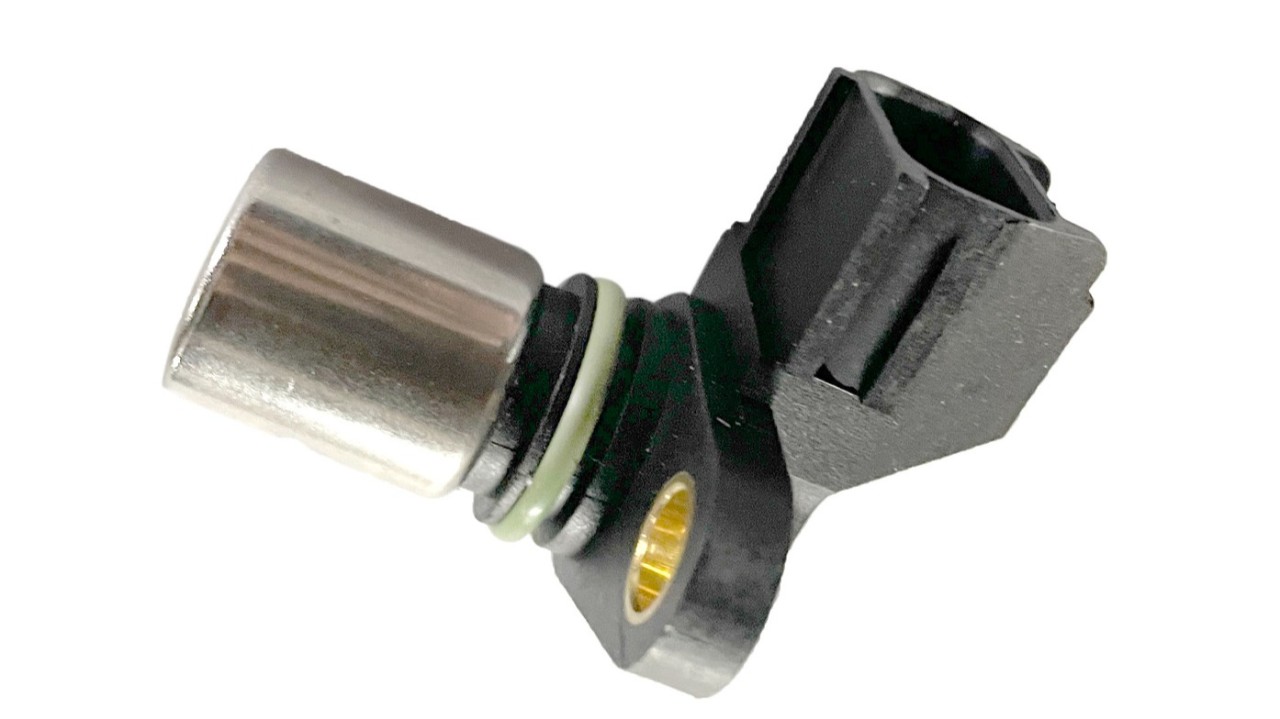
The camshaft sensor, sometimes called a cam position sensor (CPS), is a vital component in your car's engine management system. It works in tandem with the crankshaft sensor to tell the engine control unit (ECU) the exact position of the camshaft(s). This information is critical for precise fuel injection and ignition timing. When the camshaft sensor fails, your car can experience a range of frustrating and potentially damaging symptoms. Recognizing these symptoms early can save you time, money, and a lot of headaches.
Understanding the Camshaft Sensor's Role
To understand what a bad camshaft sensor looks like, it's helpful to grasp what it actually does. Think of the camshaft as the conductor of an engine's symphony. It controls the opening and closing of the intake and exhaust valves, allowing air and fuel to enter the cylinders and exhaust gases to escape. The camshaft sensor monitors the camshaft's rotation and sends this information to the ECU.
The ECU uses this signal to determine the optimal timing for injecting fuel and firing the spark plugs. Without accurate camshaft position data, the ECU is essentially flying blind, leading to misfires, poor performance, and potentially even engine damage. For example, a 2010 Honda Civic relies heavily on the CPS for efficient operation of its i-VTEC system. If the sensor malfunctions, the variable valve timing might not engage correctly, resulting in reduced power and fuel economy.
Common Symptoms of a Failing Camshaft Sensor
Several telltale signs can indicate a failing camshaft sensor. While some symptoms might also be associated with other issues, a combination of these problems should raise suspicion about the CPS.
1. Check Engine Light
The most common indicator of a camshaft sensor issue is the illumination of the Check Engine Light (CEL). The ECU detects the anomaly and logs a diagnostic trouble code (DTC), which triggers the light. Common codes related to the CPS include P0340 (Camshaft Position Sensor Circuit Malfunction), P0341 (Camshaft Position Sensor "A" Circuit Range/Performance), and similar codes that might specify a particular bank (e.g., P0345 for Bank 2). Remember, the Check Engine Light can be triggered by numerous issues, so a diagnostic scan is essential to confirm the problem.
2. Engine Stalling
A failing camshaft sensor can cause the engine to stall, especially at idle or during low-speed maneuvers. Because the ECU doesn't have precise information about the camshaft's position, it might miscalculate the fuel injection and ignition timing, leading to an interruption in the combustion process. Imagine a 2015 Ford F-150 struggling to maintain idle speed at a stoplight and occasionally dying – a faulty CPS could be the culprit.
3. Difficulty Starting the Engine
If the camshaft sensor provides inconsistent or inaccurate data, the ECU might struggle to determine the correct timing for starting the engine. This can result in prolonged cranking or a no-start condition. The engine might crank and crank but fail to fire up. This is particularly noticeable in colder weather when the engine relies more heavily on precise timing for starting. Think about a situation where a 2008 Toyota Camry takes multiple attempts to start, especially on a cold morning. A malfunctioning CPS is a prime suspect.
4. Reduced Engine Performance and Fuel Economy
Even if the engine doesn't stall or refuse to start entirely, a bad camshaft sensor can significantly impact engine performance and fuel economy. The incorrect timing leads to inefficient combustion, resulting in reduced power output, sluggish acceleration, and a noticeable drop in gas mileage. A 2012 Chevrolet Cruze, for instance, might feel underpowered and consume more fuel than usual if its CPS is failing.
5. Engine Misfires
Misfires occur when one or more cylinders fail to ignite the air-fuel mixture properly. A faulty camshaft sensor can contribute to misfires by providing incorrect timing information to the ECU. You might notice rough idling, vibrations, and a loss of power. The misfires can also trigger the Check Engine Light. For example, a 2017 Subaru Outback experiencing intermittent misfires, particularly at higher RPMs, could be suffering from a failing CPS.
6. Rough Idling
A shaky or unstable idle can be another indication of a problematic camshaft sensor. When the ECU receives inaccurate data from the sensor, it struggles to maintain a smooth and consistent idle speed. The engine might surge or dip erratically, causing noticeable vibrations. Imagine a 2014 Mazda 3 idling roughly at a stoplight, with the RPM needle fluctuating significantly – that's a classic symptom of a potential CPS issue.
Differentiating Camshaft Sensor Issues from Other Problems
It's crucial to remember that the symptoms described above can also be caused by other issues, such as a faulty crankshaft sensor, a clogged fuel filter, vacuum leaks, or ignition system problems. Therefore, it's essential to perform a thorough diagnosis to pinpoint the root cause. Using an OBD-II scanner to read the diagnostic trouble codes (DTCs) is the first step.
However, relying solely on the DTCs isn't always sufficient. Sometimes, the codes might be misleading, or the sensor might be failing intermittently without triggering a code. In such cases, further testing is necessary. This might involve using a multimeter to check the sensor's resistance and voltage output or using an oscilloscope to analyze the sensor's signal waveform. If you're not comfortable performing these tests yourself, it's best to consult a qualified mechanic.
Replacing a Camshaft Sensor: A DIY Project?
Replacing a camshaft sensor is generally a relatively straightforward DIY project, especially on older vehicles. The sensor is typically located near the engine's cylinder head, often near the camshaft pulley or timing cover. However, the exact location can vary depending on the make and model of your car.
Before attempting to replace the sensor, consult your car's repair manual or an online resource to locate the sensor and understand the specific procedure for your vehicle. Disconnect the negative battery cable before starting any electrical work. The process usually involves unplugging the electrical connector, removing a retaining bolt or screw, and pulling out the old sensor. Install the new sensor in the reverse order, ensuring that the electrical connector is securely plugged in. Once the replacement is complete, clear the DTCs using an OBD-II scanner.
However, be cautious when working on newer vehicles with more complex engine management systems. In some cases, the ECU might need to be reprogrammed or relearned after replacing the camshaft sensor. If you're unsure about any aspect of the replacement process, it's always best to seek professional assistance.
Practical Takeaways
Here are some practical takeaways to help you deal with potential camshaft sensor issues:
- Pay attention to the Check Engine Light: Don't ignore the CEL. Have the codes read promptly to identify potential problems.
- Monitor your car's performance: Notice any changes in engine performance, fuel economy, or idling behavior.
- Use a quality replacement sensor: When replacing the CPS, opt for a reputable brand to ensure reliability and accuracy.
- Consider professional diagnosis: If you're unsure about the cause of the symptoms or lack the necessary tools and skills, consult a qualified mechanic.
- Preventative maintenance: While you can't directly "maintain" the camshaft sensor, ensuring your engine oil is clean and changed regularly contributes to the overall health of the engine and its components, potentially prolonging the sensor's lifespan.
By understanding the function of the camshaft sensor and recognizing the symptoms of a failing unit, you can take proactive steps to diagnose and address potential problems early on, saving you from more extensive and costly repairs down the road. Remember, early detection and timely intervention are key to maintaining the health and performance of your vehicle.