
What Does A Bad Oxygen Sensor Look Like
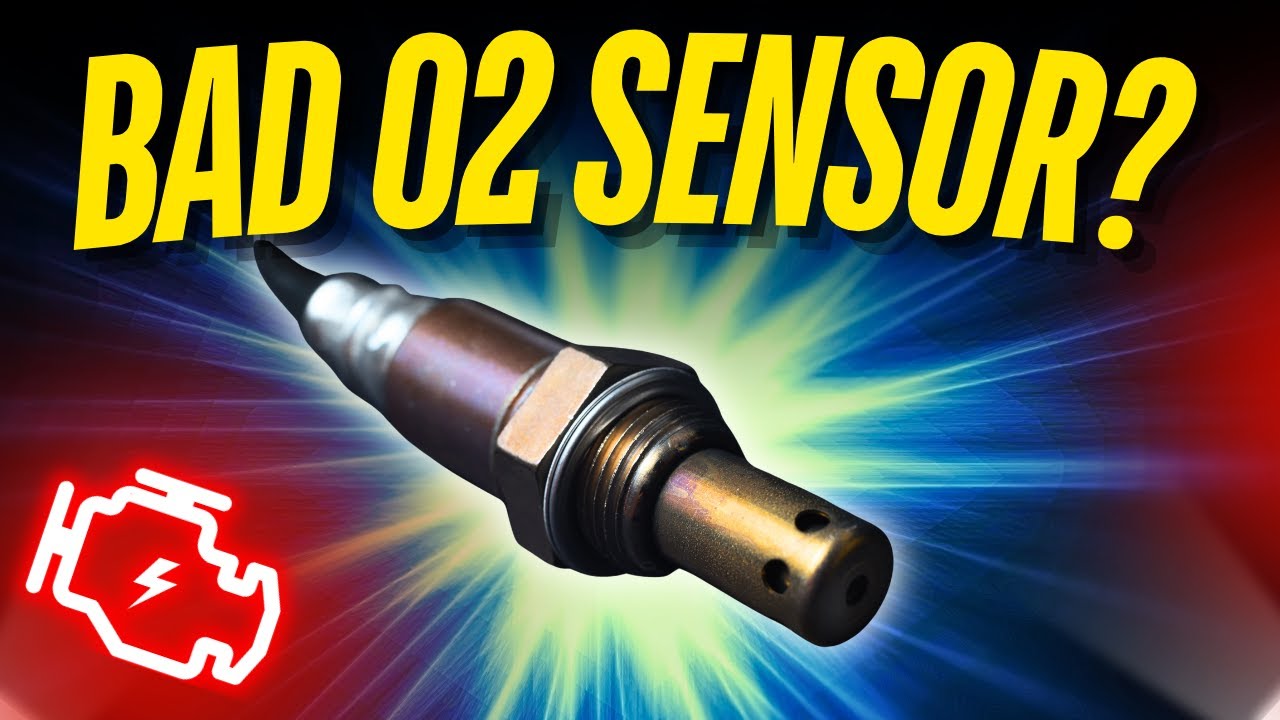
The oxygen sensor, often referred to as an O2 sensor, is a critical component in modern automotive emission control systems. Its primary function is to measure the oxygen content in the exhaust gas, providing the engine control unit (ECU) with vital data for adjusting the air-fuel mixture. A malfunctioning O2 sensor can lead to a range of performance issues, increased emissions, and potential damage to other engine components. For automotive professionals, understanding the nuances of O2 sensor failure is essential for accurate diagnosis and effective repair.
Identifying a Faulty Oxygen Sensor: The Technical View
Diagnosing a bad oxygen sensor goes beyond simply reading diagnostic trouble codes (DTCs). While a DTC like P0130 (O2 Sensor Circuit Malfunction Bank 1 Sensor 1) provides a starting point, a deeper understanding of sensor behavior is crucial. Here's what to look for:
- Slow Response Time: A healthy O2 sensor should react quickly to changes in exhaust gas composition. Using a scan tool capable of live data streaming, observe the sensor's voltage output. A sluggish response, taking several seconds to swing between rich (high voltage, typically above 0.8V) and lean (low voltage, typically below 0.2V) conditions, indicates degradation. The acceptable response time varies depending on the sensor type and vehicle, but generally, a switching frequency of less than once per second suggests a problem.
- Sticking or Biased Readings: Instead of switching rapidly, the sensor might become "stuck" at a particular voltage level, even when the air-fuel ratio is changing. It might also exhibit a bias, consistently reading slightly rich or lean, skewing the ECU's calculations.
- Voltage Range Issues: A typical O2 sensor voltage range is 0.1V to 0.9V. A sensor consistently operating outside this range, even under varying engine loads, is suspect. This can be caused by internal sensor damage or contamination.
- Heater Circuit Malfunction: Most modern O2 sensors are heated to reach operating temperature quickly. A faulty heater circuit, indicated by DTCs like P0135, prevents the sensor from reaching its optimal operating temperature, leading to inaccurate readings and increased cold-start emissions. Check the heater circuit resistance with a multimeter; specifications vary by manufacturer, but a reading outside the acceptable range indicates a problem.
- Contamination: Oil, coolant, or silicone contamination can coat the sensor's sensing element, hindering its ability to accurately measure oxygen levels. Visually inspect the sensor for signs of contamination.
O2 Sensor Types and Alternatives
Two main types of oxygen sensors dominate the market: Zirconium Dioxide (ZrO2) sensors and Titanium Dioxide (TiO2) sensors. ZrO2 sensors are the most common, generating their own voltage based on the difference in oxygen concentration between the exhaust gas and ambient air. TiO2 sensors, on the other hand, are resistive-type sensors whose resistance changes with oxygen concentration. While TiO2 sensors are less prone to contamination, they require a reference voltage from the ECU, making them slightly more complex to implement.
Wideband O2 sensors (Air-Fuel Ratio sensors) are a significant advancement. Unlike narrowband sensors that only provide information about whether the mixture is rich or lean, wideband sensors provide a precise measurement of the air-fuel ratio. This allows for more precise fuel control and lower emissions. Wideband sensors are often used upstream of the catalytic converter.
Pros and Cons Comparison:
| Sensor Type | Pros | Cons |
|---|---|---|
| ZrO2 (Narrowband) | Simple, inexpensive, widely available. | Less accurate, slower response, susceptible to contamination, only indicates rich/lean. |
| TiO2 (Narrowband) | Less prone to contamination. | Requires reference voltage, can be more expensive. |
| Wideband (Air-Fuel Ratio) | Highly accurate, fast response, provides precise A/F ratio, improves fuel economy and reduces emissions. | More complex, more expensive, requires more sophisticated ECU. |
Reliability, Maintenance, and Replacement
O2 sensors typically have a lifespan of 60,000 to 100,000 miles, depending on the sensor type, engine operating conditions, and fuel quality. However, factors like oil leaks, coolant leaks, and the use of fuel additives can significantly shorten their lifespan.
Maintenance Tips:
- Regularly inspect the engine for oil and coolant leaks.
- Avoid using fuel additives unless specifically recommended by the vehicle manufacturer.
- Ensure proper engine maintenance, including regular oil changes and tune-ups.
- Consider replacing O2 sensors proactively at recommended intervals to maintain optimal engine performance and fuel economy.
When replacing an O2 sensor, always use a high-quality replacement part from a reputable manufacturer. Ensure the new sensor is compatible with the vehicle's make, model, and year. Use anti-seize compound specifically formulated for O2 sensors on the threads to prevent future removal issues.
Future Trends in Oxygen Sensor Technology
The future of oxygen sensor technology is focused on increasing accuracy, durability, and integration with advanced engine management systems. We can expect to see:
- Miniaturization: Smaller, more compact sensors that can be integrated into tighter spaces.
- Improved materials: Sensors constructed from more durable materials that are resistant to contamination and high temperatures.
- Smart sensors: Sensors with integrated diagnostics that can self-diagnose and report their status to the ECU.
- Wireless sensors: Sensors that communicate wirelessly with the ECU, eliminating the need for wiring harnesses.
The Automotive Industry's Forward-Looking Perspective
As the automotive industry continues to evolve with the rise of electric vehicles (EVs) and advanced combustion engine technologies, the role of the traditional O2 sensor may shift. While EVs eliminate the need for exhaust gas monitoring, hybrid vehicles and internal combustion engine (ICE) development will continue to rely on sophisticated emission control systems. The expertise in sensor technology and data analysis gained from O2 sensors will likely be transferable to other sensing applications within EVs and autonomous vehicles. Furthermore, with increasing stringent emission regulations worldwide, optimization of combustion and exhaust treatment will remain paramount, potentially leading to more advanced and precise O2 sensing solutions even for niche ICE applications.