
What Does A Bad Serpentine Belt Look Like
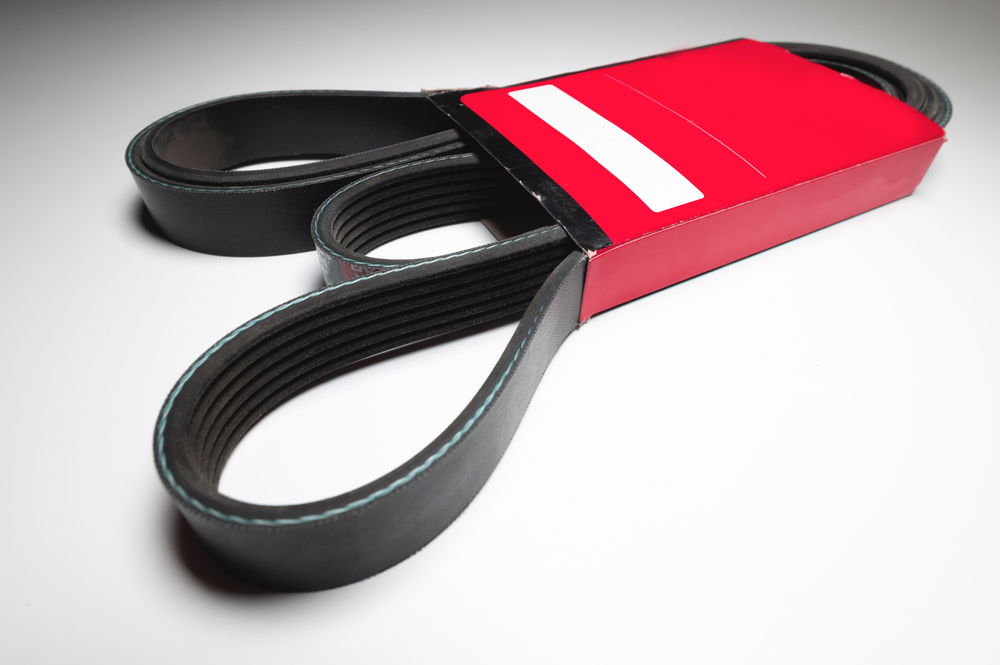
The serpentine belt, often called the accessory drive belt, is a crucial component in your car's engine. It’s responsible for powering essential accessories like the alternator (charging the battery), power steering pump, air conditioning compressor, and sometimes even the water pump. A failing serpentine belt can lead to serious problems, leaving you stranded and potentially causing damage to other engine components. Therefore, recognizing the signs of a bad serpentine belt is vital for both car owners and mechanics.
Visual Inspection: The First Line of Defense
A visual inspection is often the easiest way to spot a problem. Look for these telltale signs:
- Cracks: This is the most common indicator of wear and tear. Check for cracks running along the belt's ribs (the grooved side) or across its back. A few small cracks might be acceptable on an older belt, but excessive cracking, especially if the cracks are deep, signals it's time for replacement. Think of it like an old rubber band that's starting to fray.
- Glazing: A shiny, smooth surface on the belt, particularly on the ribbed side, indicates the belt has become hardened and lost its grip. Glazed belts are prone to slipping, especially in wet or cold conditions.
- Fraying: The edges of the belt may start to fray, showing loose fibers. This is a sign that the belt is wearing down and could snap soon.
- Chunking: Pieces of the belt, particularly ribs, might be missing. This is a serious problem and requires immediate replacement.
- Oil Contamination: Oil or coolant leaks can degrade the belt material. If you notice oil or coolant on the belt, address the leak immediately and replace the belt.
Example: On a 2010 Honda Civic, the serpentine belt is easily visible after opening the hood. Inspecting it regularly for cracks and glazing can prevent alternator failure and a dead battery.
Audible Clues: Listen to Your Engine
Sometimes, a failing serpentine belt will announce its condition through noise:
- Squealing or Screeching: This is a classic symptom of a slipping belt. The noise is most prominent when the engine is first started, especially in cold or wet weather, or when accessories like the air conditioning are turned on. The slipping is caused by reduced friction due to wear, glazing, or contamination.
- Flapping or Thumping: This sound indicates a belt that is severely damaged, frayed, or has missing chunks. It could also mean the belt is loose due to a faulty tensioner.
- Grinding or Whining: This could indicate a failing accessory component, such as a worn-out pulley bearing on the alternator or power steering pump. The serpentine belt transmits the noise, making it sound like it's coming from the belt itself.
Example: A mechanic working on a 2015 Ford F-150 might diagnose a squealing serpentine belt by spraying a small amount of belt dressing (specifically designed for serpentine belts) onto the belt while the engine is running. If the squealing temporarily stops, it confirms the belt is the problem. However, belt dressing is only a temporary fix and doesn't address the underlying cause of the slipping.
Performance Issues: When Things Aren't Working Right
A failing serpentine belt can affect the performance of your car's accessories:
- Battery Light: A failing alternator, driven by the serpentine belt, will cause the battery light to illuminate on the dashboard. This indicates the battery is not being properly charged.
- Power Steering Problems: If the serpentine belt is slipping or broken, the power steering pump won't function properly, making it difficult to steer, especially at low speeds. The steering may feel heavy or jerky.
- Air Conditioning Issues: A slipping belt can prevent the AC compressor from running efficiently, resulting in weak or no cold air.
- Overheating: In some vehicles, the serpentine belt also drives the water pump. If the belt fails, the water pump stops circulating coolant, leading to engine overheating. This is a critical issue that can cause severe engine damage.
Example: On a 2012 Toyota Camry, a suddenly heavy steering wheel and a flickering battery light are strong indicators of a serpentine belt problem affecting the power steering pump and alternator, respectively.
Troubleshooting and Solutions
Once you've identified a potential serpentine belt issue, consider these troubleshooting steps:
- Check Belt Tension: Ensure the belt is properly tensioned. Most vehicles have an automatic tensioner, but it can fail over time. A loose belt is a common cause of squealing and slipping. Replace the tensioner if it's weak or not maintaining proper tension.
- Inspect Pulleys: Examine the pulleys for damage or wear. A damaged pulley can cause the belt to wear prematurely. Check for bent or broken flanges, and ensure the pulleys are properly aligned.
- Identify and Fix Leaks: Address any oil or coolant leaks that are contaminating the belt. Clean the pulleys and the surrounding area after fixing the leak.
- Replace the Belt: If the belt shows any signs of significant wear, cracking, glazing, or damage, replace it immediately. Refer to your car's owner's manual for the correct belt replacement procedure and torque specifications.
- Consider a Serpentine Belt Kit: Some manufacturers offer serpentine belt kits that include the belt, tensioner, and idler pulleys. Replacing these components together can prevent future problems.
Example: A mechanic replacing a serpentine belt on a 2018 Chevrolet Silverado might use a serpentine belt tool to easily release the tension on the tensioner pulley, allowing for easy belt removal and installation. This tool prevents damage to the tensioner and simplifies the process.
Preventative Maintenance: Keeping Your Serpentine Belt Healthy
Regular maintenance is key to extending the life of your serpentine belt:
- Regular Inspections: Visually inspect the belt at every oil change.
- Follow Recommended Replacement Intervals: Consult your owner's manual for the recommended serpentine belt replacement interval. Even if the belt looks okay, it can degrade over time and become more prone to failure.
- Address Leaks Promptly: Fix any oil or coolant leaks immediately to prevent contamination and premature belt failure.
- Use Quality Parts: When replacing the belt, use a high-quality replacement from a reputable manufacturer.
By paying attention to these warning signs and following a regular maintenance schedule, you can prevent serpentine belt failures and keep your car running smoothly and reliably for years to come. Remember, a proactive approach to car maintenance saves you time, money, and potential headaches down the road.