
What Does A Coolant Temperature Sensor Do
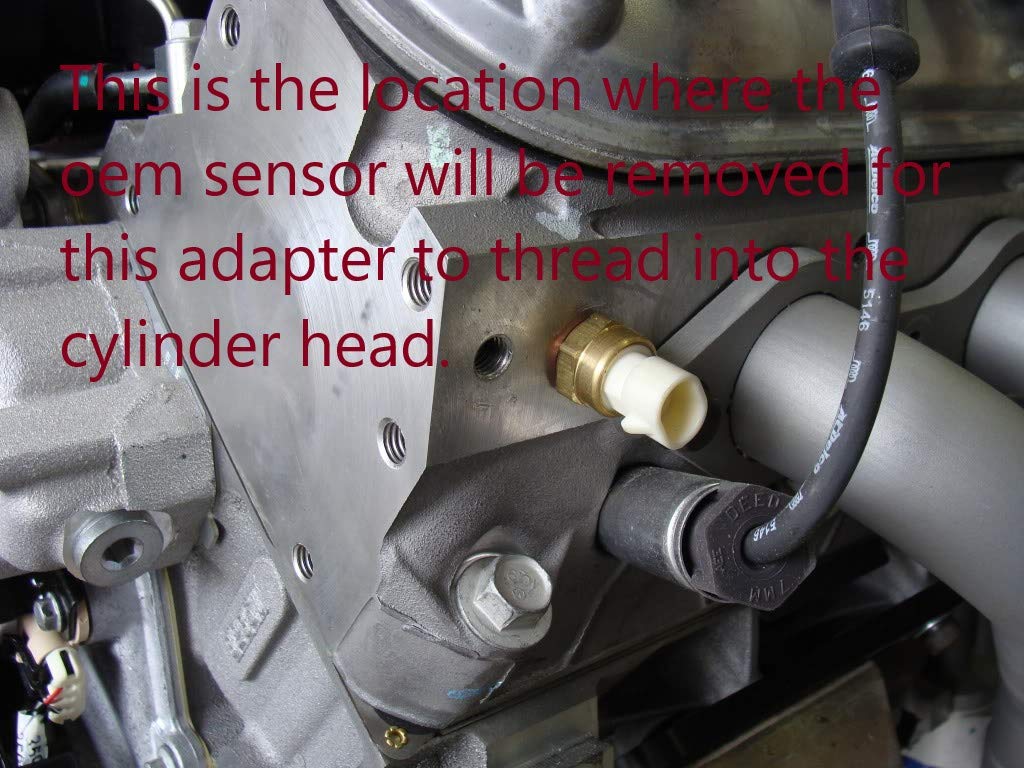
The Coolant Temperature Sensor (CTS), sometimes also referred to as the Engine Coolant Temperature (ECT) sensor, is a vital component in modern internal combustion engines. While seemingly small and unassuming, its accurate readings are crucial for optimal engine performance, fuel efficiency, and emissions control. This article will delve into the function of the CTS, how it works, its importance, symptoms of failure, and how to diagnose issues.
What is a Coolant Temperature Sensor?
The CTS is essentially a thermistor – a type of resistor whose resistance changes significantly with temperature. It's typically located within the engine coolant passage, often near the thermostat housing or cylinder head. The sensor is submerged in the coolant, allowing it to accurately measure the coolant's temperature. This temperature reading is then relayed to the engine's Engine Control Unit (ECU), also known as the Powertrain Control Module (PCM) in some vehicles.
How Does It Work?
The CTS operates on a simple principle: as the coolant temperature increases, the resistance of the thermistor decreases, and vice-versa. The ECU sends a 5-volt reference voltage to the CTS. The CTS, acting as a variable resistor, then returns a voltage signal to the ECU. This return voltage is directly proportional to the coolant temperature. A cold engine will have high resistance in the CTS, resulting in a low voltage signal back to the ECU. A hot engine will have low resistance, resulting in a higher voltage signal.
The ECU interprets this voltage signal to determine the engine's operating temperature and makes adjustments to various engine parameters accordingly. The sensor typically uses a Negative Temperature Coefficient (NTC) thermistor, meaning its resistance decreases as temperature increases.
Why is the CTS Important?
The data from the CTS is crucial for numerous engine management functions:
- Fuel Mixture Control: The ECU uses the CTS reading to adjust the air-fuel mixture. A cold engine requires a richer mixture (more fuel) for proper starting and operation. The ECU will inject more fuel based on the low CTS reading. As the engine warms up, the ECU gradually leans out the mixture for optimal fuel economy.
- Ignition Timing: Similar to fuel mixture, ignition timing is also adjusted based on coolant temperature. A cold engine typically requires more advanced ignition timing for stable operation.
- Idle Speed Control: The ECU uses the CTS reading to regulate the idle speed. A cold engine requires a higher idle speed to prevent stalling.
- Cooling Fan Operation: The CTS data is used to activate the electric cooling fans. When the coolant reaches a certain temperature threshold, the ECU turns on the fans to prevent overheating.
- Emissions Control: By optimizing fuel mixture and ignition timing, the CTS plays a vital role in reducing harmful emissions.
- Torque Converter Clutch (TCC) Engagement (Automatic Transmissions): In some vehicles, the ECU uses the CTS reading to prevent the TCC from engaging until the engine reaches a certain operating temperature. This prevents lugging and ensures proper transmission function.
Symptoms of a Failing CTS
A faulty CTS can cause a range of engine performance issues. Here are some common symptoms:
- Poor Fuel Economy: If the CTS is sending an incorrect reading, the ECU may miscalculate the air-fuel mixture, leading to excessive fuel consumption.
- Hard Starting: A faulty CTS can make it difficult to start the engine, especially in cold weather.
- Rough Idling: The engine may idle erratically or stall frequently.
- Overheating: In some cases, a failing CTS can prevent the cooling fans from activating, leading to engine overheating.
- Check Engine Light: A faulty CTS will often trigger the check engine light. Common diagnostic trouble codes (DTCs) associated with a bad CTS include P0115, P0116, P0117, P0118, and P0119.
- Black Smoke from Exhaust: A consistently rich fuel mixture due to a faulty CTS can result in black smoke emanating from the exhaust pipe.
Diagnosing a Faulty CTS
Diagnosing a faulty CTS typically involves using a multimeter to measure the sensor's resistance at different temperatures. You can also use a scan tool to monitor the CTS reading in real-time and compare it to the actual coolant temperature. If the resistance or voltage readings are outside of the specified range, or if the scan tool shows an implausible temperature reading, the CTS likely needs to be replaced.
Before replacing the CTS, it's crucial to check the wiring and connectors for any signs of damage or corrosion. A poor connection can also cause inaccurate readings. Using a wiring diagram specific to the vehicle is always recommended.
In conclusion, the coolant temperature sensor is a small but critical component. Its accurate functioning is essential for optimal engine performance, fuel efficiency, and emissions control. Recognizing the symptoms of a failing CTS and knowing how to diagnose it can save you from more significant and costly engine repairs down the line.