
What Does A Dirty Throttle Body Look Like
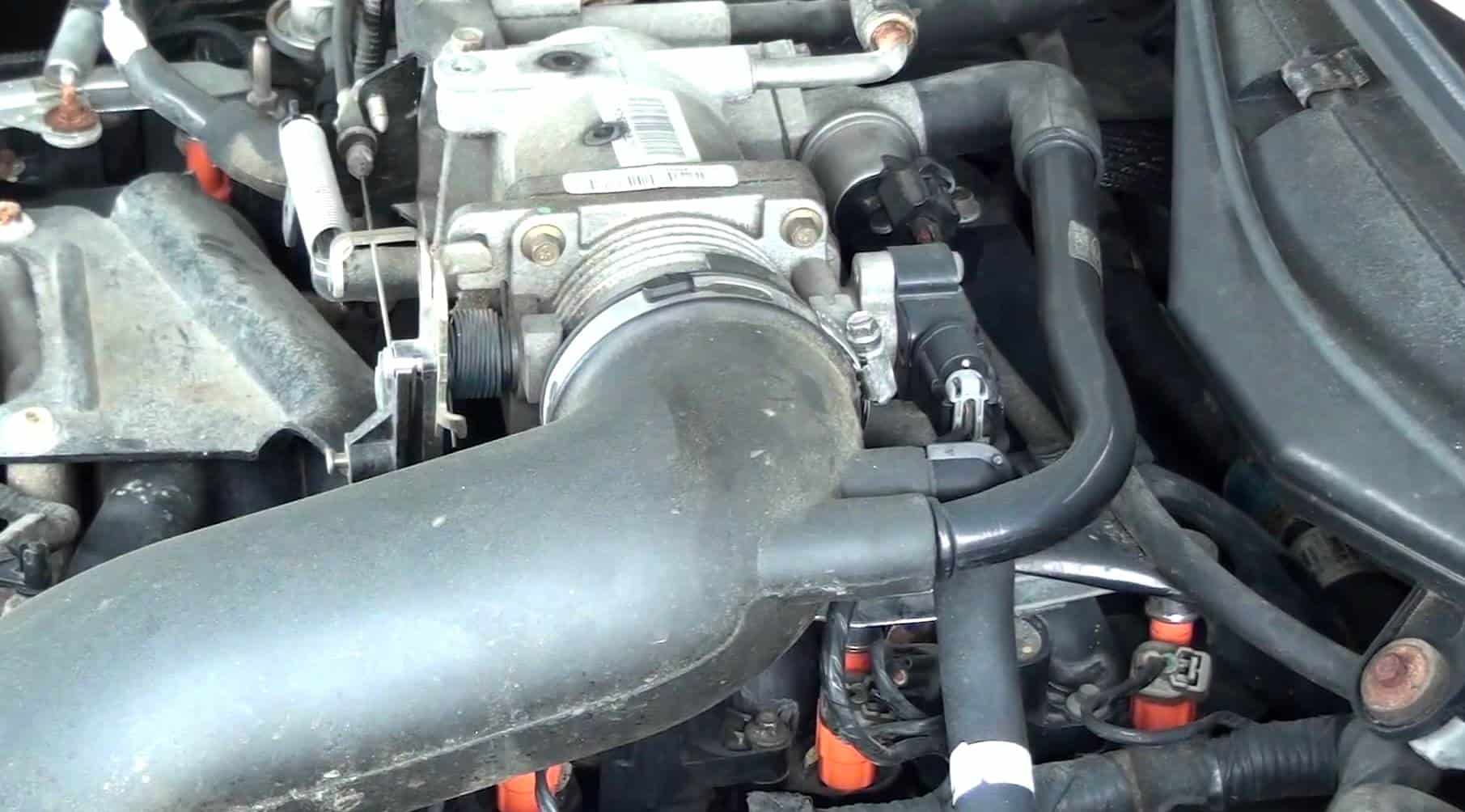
For decades, the telltale signs of a dirty throttle body have been relatively consistent: rough idling, sluggish acceleration, and decreased fuel economy. Mechanically, a glance reveals a darkened, often oily residue coating the throttle plate and surrounding bore. But as the automotive landscape rapidly evolves, so too does the relevance – and the potential appearance – of this once-familiar gremlin.
The internal combustion engine (ICE) is far from obsolete, even amidst the electric revolution. It will continue to play a significant role, particularly in hybrid systems, for years to come. Therefore, understanding common maintenance issues like a dirty throttle body remains crucial. However, the nature of that "dirt" is already shifting. We're seeing more sophisticated engine management systems that can, to a degree, compensate for minor build-up. Moreover, the composition of that build-up is changing with the adoption of new fuel formulations and engine technologies.
The Hybrid and the Throttle Body: A Complex Relationship
Hybrid vehicles present a unique scenario. While their electric motors handle much of the low-speed and city driving, the ICE kicks in at higher speeds or when extra power is needed. This intermittent operation can lead to different types of deposits forming in the throttle body compared to a constantly running engine. Imagine an ICE that cycles on and off frequently, never quite reaching its optimal operating temperature for extended periods. This can lead to increased condensation and the formation of a more gummy, less easily burned-off residue. Furthermore, the diagnostic codes associated with a dirty throttle body in a hybrid might be masked by other system faults related to the complex interplay between the electric and combustion components. Technicians will need to become adept at differentiating these overlapping symptoms.
Looking ahead, we anticipate seeing throttle bodies incorporating advanced coatings to resist deposit formation. Think self-cleaning materials similar to those being developed for solar panels. Nanotechnology could play a significant role here, creating surfaces that actively repel oil and other contaminants. Furthermore, integrated sensors will likely become more prevalent, continuously monitoring the throttle body's condition and alerting the driver to potential issues before they escalate into performance problems. This predictive maintenance approach aligns perfectly with the increasing reliance on data-driven diagnostics in modern vehicles.
The Electric Elephant in the Room
Of course, the elephant in the room is the rise of electric vehicles (EVs). Pure EVs, by definition, don't have throttle bodies. Their acceleration is controlled directly by the electric motor, eliminating the need for an intake system regulated by a throttle plate. As EV adoption increases, the relevance of throttle body maintenance will naturally diminish. However, the transition will be gradual. Millions of ICE and hybrid vehicles will remain on the road for decades, requiring continued maintenance and repair. The knowledge base and diagnostic skills related to these systems will remain valuable, though their relative importance will shift.
The skills honed in diagnosing and repairing ICE-related issues, however, won't disappear entirely. The ability to analyze system performance, interpret sensor data, and troubleshoot complex mechanical problems will translate directly to working with EV powertrains and battery management systems. The underlying principles of diagnostics – understanding how systems are *supposed* to work and identifying deviations from that norm – remain constant, regardless of the technology. This adaptability will be crucial for automotive technicians navigating the changing landscape.
Smart Automotive Solutions and the Future of Mobility
Beyond the technical aspects, the future of mobility is inextricably linked to smart automotive solutions. Imagine a world where vehicles communicate seamlessly with each other and with infrastructure, optimizing traffic flow and reducing congestion. This level of connectivity could also lead to more efficient engine management in hybrid vehicles, potentially minimizing the operating conditions that lead to throttle body build-up. Furthermore, over-the-air (OTA) updates could deliver software enhancements that further optimize engine performance and reduce the likelihood of deposit formation.
However, these advancements come with their own set of challenges. Data security and privacy are paramount concerns. The increasing complexity of automotive systems demands a higher level of technical expertise and a willingness to embrace continuous learning. The cost of advanced technologies could also create disparities in access to mobility, potentially widening the gap between those who can afford the latest innovations and those who cannot.
Despite these challenges, the future of mobility is undeniably exciting. We are on the cusp of a transportation revolution that promises to be safer, more efficient, and more sustainable. As we move towards a world of autonomous vehicles, connected infrastructure, and electrified powertrains, the automotive industry will continue to evolve and adapt. The dirty throttle body, in its traditional form, may become a relic of the past. But the spirit of innovation and the pursuit of improved performance will continue to drive us forward, shaping the way we move for generations to come. The future is not just about cleaner engines or electric motors; it's about a fundamentally different way of thinking about transportation – a vision of seamless, intelligent, and sustainable mobility for all.