
What Does A Temperature Control Sensor Do
Your car's climate control system isn't just about blasting cold air on a hot day or warm air when it's freezing outside. It's a sophisticated network of sensors, actuators, and a control module working in concert to maintain a comfortable and consistent temperature inside the cabin. A crucial component in this system is the temperature control sensor, and understanding its function is key to diagnosing and maintaining your vehicle's heating and cooling performance.
What Exactly is a Temperature Control Sensor?
In essence, a temperature control sensor measures the temperature of a specific location and relays that information to the car's computer, typically the engine control unit (ECU) or a dedicated HVAC (Heating, Ventilation, and Air Conditioning) control module. This data allows the system to make informed decisions about how to regulate the airflow, coolant flow, and compressor operation to achieve the desired cabin temperature.
Think of it like a thermostat in your home. The thermostat senses the room temperature and tells the furnace or air conditioner when to turn on or off. In a car, these sensors are the "eyes" of the climate control system, providing the necessary feedback for it to operate effectively.
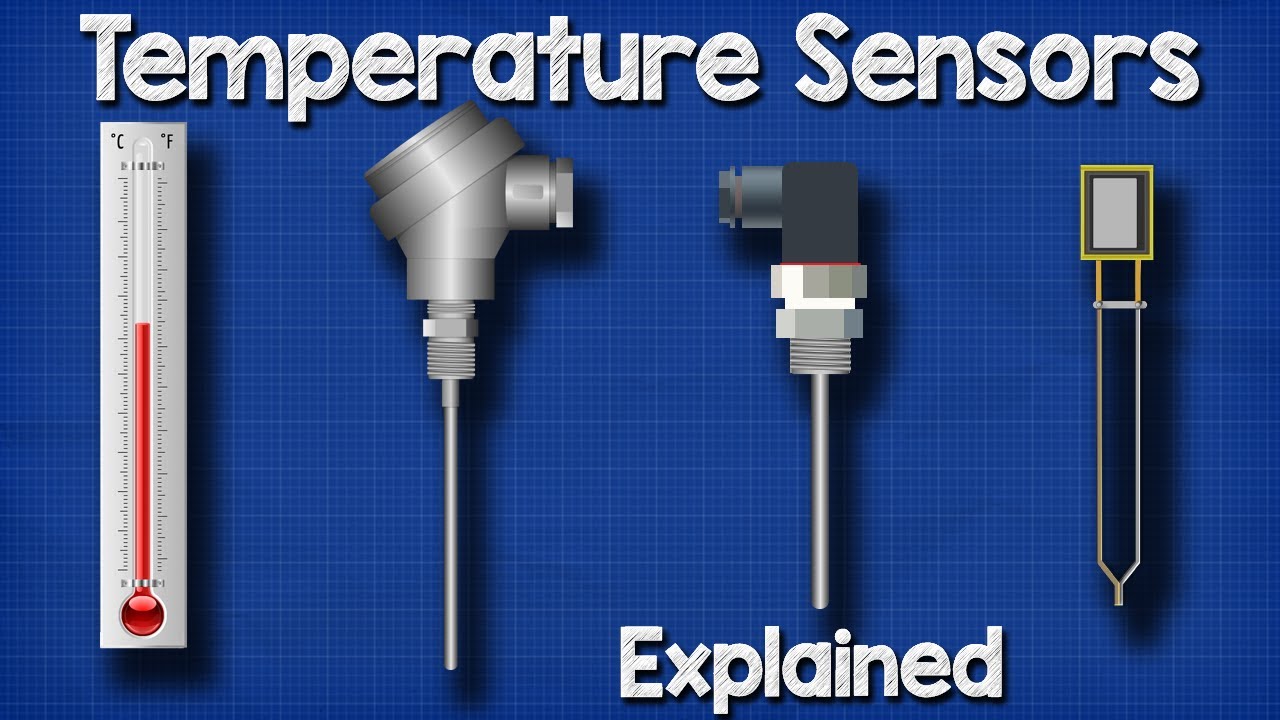
Types of Temperature Sensors in Automotive Climate Control
Several types of temperature sensors are used within a car's climate control system, each playing a specific role. Here are some of the most common:
- Cabin Temperature Sensor (Interior Temperature Sensor): Located inside the cabin, usually on the dashboard or near the rearview mirror, this sensor measures the ambient air temperature. This is the primary sensor used to determine if the system needs to heat or cool the cabin. For example, a 2018 Honda Civic might have this sensor subtly integrated into the dashboard near the infotainment screen.
- Evaporator Temperature Sensor: Located near or inside the evaporator core (part of the A/C system responsible for cooling the air), this sensor prevents the evaporator from freezing up. Freezing can restrict airflow and damage the system. Many older systems, like those found in early 2000s Ford Explorers, relied heavily on this sensor.
- Coolant Temperature Sensor (Engine Coolant Temperature Sensor - ECT): While primarily used for engine management, the ECT sensor also provides vital information to the HVAC system. The ECU uses this data to determine when the engine has warmed up sufficiently to provide heat to the cabin. This sensor is universally used across nearly all vehicle makes and models.
- Ambient Temperature Sensor (Outside Air Temperature Sensor): Usually located in front of the radiator or near the front bumper, this sensor measures the outside air temperature. This information can be used to optimize the HVAC system's operation and prevent the A/C from running when it's already cold outside. Luxury vehicles like BMW 5 series often use this data to display the external temperature on the dashboard.
- Solar Sensor (Sunload Sensor): Found on the dashboard, this sensor measures the intensity of sunlight entering the cabin. This allows the system to compensate for the added heat load on one side of the car, improving comfort. High-end SUVs like the Land Rover Range Rover often have sophisticated solar sensors.
How Temperature Sensors Work: A Deeper Dive (Simplified)
Most temperature sensors used in cars are thermistors, which are resistors whose resistance changes with temperature. There are two main types of thermistors:
- Negative Temperature Coefficient (NTC) thermistors: Their resistance *decreases* as temperature *increases*.
- Positive Temperature Coefficient (PTC) thermistors: Their resistance *increases* as temperature *increases*.
The ECU or HVAC control module sends a small electrical current through the thermistor. By measuring the voltage drop across the thermistor, the module can determine the sensor's resistance. This resistance value is then translated into a temperature reading using a pre-programmed calibration curve. This process happens continuously, providing real-time temperature data to the system.
For Example: Imagine the cabin temperature sensor in a Toyota Camry is an NTC thermistor. On a cold morning, the thermistor's resistance will be high. The ECU will interpret this as a low cabin temperature and instruct the heater to turn on. As the cabin warms up, the thermistor's resistance decreases, signaling to the ECU to gradually reduce the heater output until the desired temperature is reached.
Symptoms of a Failing Temperature Sensor
A faulty temperature sensor can lead to a variety of problems with your car's climate control system. Here are some common symptoms:
- Inconsistent Cabin Temperature: The temperature in the cabin may fluctuate wildly, even when the system is set to a specific temperature. You might experience periods of freezing cold followed by excessive heat.
- A/C Not Working: The A/C compressor may not engage at all, or it may cycle on and off frequently. This could be due to a faulty evaporator temperature sensor preventing the compressor from running to avoid freezing.
- Heater Not Working: The heater may blow only cold air, even when the engine is warm. This could indicate a problem with the coolant temperature sensor or a cabin temperature sensor.
- Incorrect Temperature Readings on the Display: If your car displays the outside temperature, it may show an inaccurate reading. This indicates a problem with the ambient temperature sensor.
- Check Engine Light (CEL): In some cases, a faulty temperature sensor can trigger the Check Engine Light. The diagnostic trouble code (DTC) will often point to the specific sensor that is failing.
Troubleshooting and Repair
Diagnosing a temperature sensor issue usually involves:
- Scanning for Diagnostic Trouble Codes (DTCs): Use an OBD-II scanner to check for any stored codes related to the HVAC system or specific temperature sensors. Common codes include those indicating a "circuit high" or "circuit low" condition for a particular sensor.
- Inspecting the Sensor: Visually inspect the sensor for any signs of damage, such as corrosion, broken wires, or cracks.
- Testing the Sensor's Resistance: Use a multimeter to measure the sensor's resistance at different temperatures. Compare these readings to the manufacturer's specifications to determine if the sensor is within the acceptable range. This information can typically be found in your vehicle's service manual or online repair databases.
- Checking the Wiring: Inspect the wiring harness and connectors leading to the sensor for any breaks, shorts, or loose connections.
Replacing a temperature sensor is usually a relatively straightforward process. Disconnect the sensor's electrical connector, remove the sensor from its mounting location, and install the new sensor. Be sure to follow the manufacturer's instructions for proper installation and torque specifications. After replacing the sensor, clear any stored DTCs and test the climate control system to ensure it is functioning correctly.
Practical Takeaways
- Understand your car's climate control system: Knowing the types of temperature sensors in your vehicle and their locations is crucial for troubleshooting.
- Use a diagnostic scanner: An OBD-II scanner is an invaluable tool for identifying potential sensor problems.
- Consult your vehicle's service manual: This manual provides detailed information on sensor specifications, testing procedures, and replacement instructions.
- Don't ignore warning signs: Address any issues with your climate control system promptly to prevent further damage and maintain optimal comfort.
- When in doubt, seek professional help: If you're not comfortable diagnosing or repairing the problem yourself, consult a qualified mechanic. A professional can accurately diagnose the issue and perform the necessary repairs.
By understanding the role of temperature control sensors in your car's climate control system, you can better diagnose and address any issues that may arise, ensuring a comfortable and enjoyable driving experience.