
What Does A Tire Pressure Light Look Like
That little yellow light on your dashboard can be a real source of anxiety, especially when you're not sure exactly what it means. If it's the tire pressure light, don't panic! It's often a simple fix. Let's break down what that light looks like, why it's on, and what you can do about it.
Identifying the Tire Pressure Light
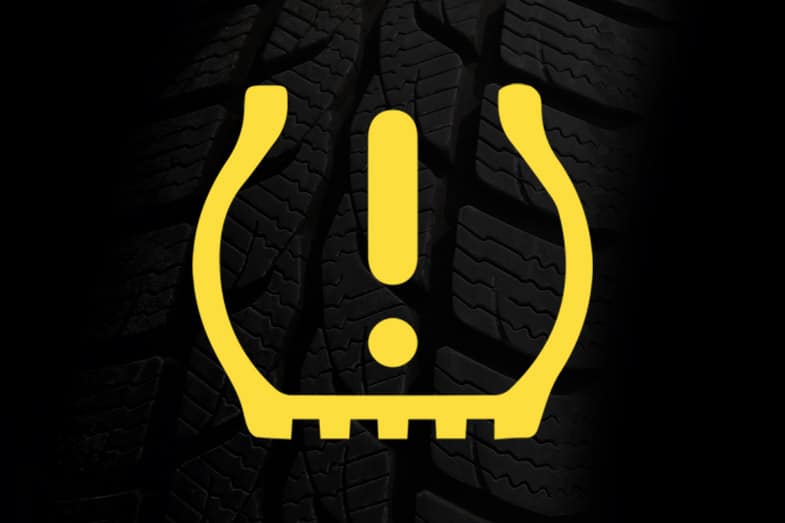
The tire pressure light, officially called the Tire Pressure Monitoring System (TPMS) light, is designed to alert you when one or more of your tires are significantly under-inflated. It's usually represented by a horseshoe-shaped symbol with an exclamation point inside. Sometimes, it might look more like a cross-section of a tire with an exclamation point. On some vehicles, especially newer models, the symbol might be accompanied by the word "TPMS" or "TIRE."
Crucially, there are two main ways the TPMS light can appear: solid or flashing. A solid light usually indicates that one or more of your tires are simply under-inflated. A flashing light, however, is a more serious issue, often indicating a problem with the TPMS system itself. This could be a faulty sensor, a dead battery in a sensor, or a communication problem between the sensors and the car's computer.
Common Causes of the Tire Pressure Light
Under-Inflation
The most frequent reason the tire pressure light comes on is simply that one or more of your tires are under-inflated. Tire pressure naturally decreases over time, especially with temperature changes. For example, as the weather gets colder, the air inside your tires contracts, leading to lower pressure.
Practical Tip: Keep a tire pressure gauge in your car's glove compartment. Check your tire pressure at least once a month, and before any long trips. Refer to the sticker on your driver's side doorjamb or your owner's manual for the recommended tire pressure for your vehicle. Do not rely solely on the TPMS light to tell you when your tires are low, as it only activates when the pressure is significantly reduced.
Temperature Changes
As mentioned earlier, temperature fluctuations can significantly affect tire pressure. A drop in temperature of just 10 degrees Fahrenheit can decrease tire pressure by 1-2 PSI (pounds per square inch).
Practical Tip: Inflate your tires on a cool morning for the most accurate reading. Avoid inflating them immediately after driving, as the heat generated from friction can temporarily increase the pressure.
TPMS Sensor Issues
If the tire pressure light is flashing, or if you've inflated your tires to the correct pressure and the light remains on, you likely have a problem with the TPMS sensors. These sensors are located inside each tire and transmit pressure readings to the car's computer. They have a limited lifespan, typically around 5-10 years, and the batteries can eventually die.
Other sensor issues can include physical damage (e.g., from hitting a curb or pothole) or corrosion. Sometimes, the sensors can simply malfunction.
Spare Tire (If Equipped with TPMS)
Some vehicles include a TPMS sensor in the spare tire. If the spare tire is low on pressure, it can also trigger the TPMS light.
System Malfunction
In rare cases, the problem might not be with the tires or sensors themselves, but with the car's TPMS system. This could be a wiring issue, a problem with the computer module, or a software glitch.
Troubleshooting and Solutions
Check and Inflate Your Tires
This is the first and easiest step. Use a tire pressure gauge to check the pressure in all four tires (and the spare, if applicable). Inflate them to the recommended pressure (found on the doorjamb sticker or in the owner's manual). If the light turns off after driving a short distance, the problem is solved!
Tools Needed: Tire pressure gauge, air compressor or access to an air pump (gas station, auto shop).
Approximate Cost: A good tire pressure gauge costs around $10-$20. Air is often free at gas stations, or you can purchase a portable air compressor for around $30-$50.
Reset the TPMS
After inflating your tires, you might need to reset the TPMS. Some vehicles will automatically reset after a few miles of driving. Others require a manual reset procedure, which varies depending on the make and model. Consult your owner's manual for specific instructions. Some common methods involve turning the ignition on and off a few times, or holding down a TPMS reset button (if equipped).
Inspect the TPMS Sensors
If the light remains on after inflating your tires and resetting the system, the next step is to inspect the TPMS sensors. This is best left to a qualified mechanic, as it involves removing the tires from the wheels. The mechanic can check the sensors for damage, corrosion, and battery life.
Tools Needed: This requires specialized tools and expertise. Do not attempt this yourself unless you are a qualified mechanic.
Approximate Cost: Sensor replacement typically costs between $50 and $200 per sensor, including labor. Diagnosing the problem may cost between $50 and $150.
Professional Diagnosis
If you've tried the above steps and the tire pressure light is still on, it's time to take your car to a professional mechanic. They have the tools and expertise to diagnose more complex TPMS issues, such as system malfunctions or communication problems. They can also reprogram or replace faulty sensors.
Approximate Cost: Diagnostic fees can range from $75 to $150. The cost of repairs will depend on the specific problem.
Ignoring the Tire Pressure Light: Why It's a Bad Idea
It might be tempting to ignore the tire pressure light, especially if you're busy or short on cash. However, doing so can have serious consequences:
- Reduced Fuel Efficiency: Under-inflated tires increase rolling resistance, which reduces your car's fuel efficiency.
- Uneven Tire Wear: Under-inflation can cause your tires to wear unevenly, shortening their lifespan and requiring you to replace them sooner.
- Reduced Handling and Braking: Under-inflated tires can compromise your car's handling and braking performance, especially in wet or slippery conditions.
- Increased Risk of Tire Failure: Severely under-inflated tires are more prone to overheating and blowouts, which can lead to accidents.
Prevention is Key
The best way to avoid TPMS problems is to practice preventative maintenance. Check your tire pressure regularly, rotate your tires as recommended by the manufacturer, and replace your TPMS sensors every 5-10 years, or as needed.
Remember, a properly functioning TPMS is an important safety feature that can help you avoid accidents and keep your car running smoothly. Don't ignore that light! Address it promptly to ensure your safety and the longevity of your tires.