
What Does Battery Light Mean On Dashboard
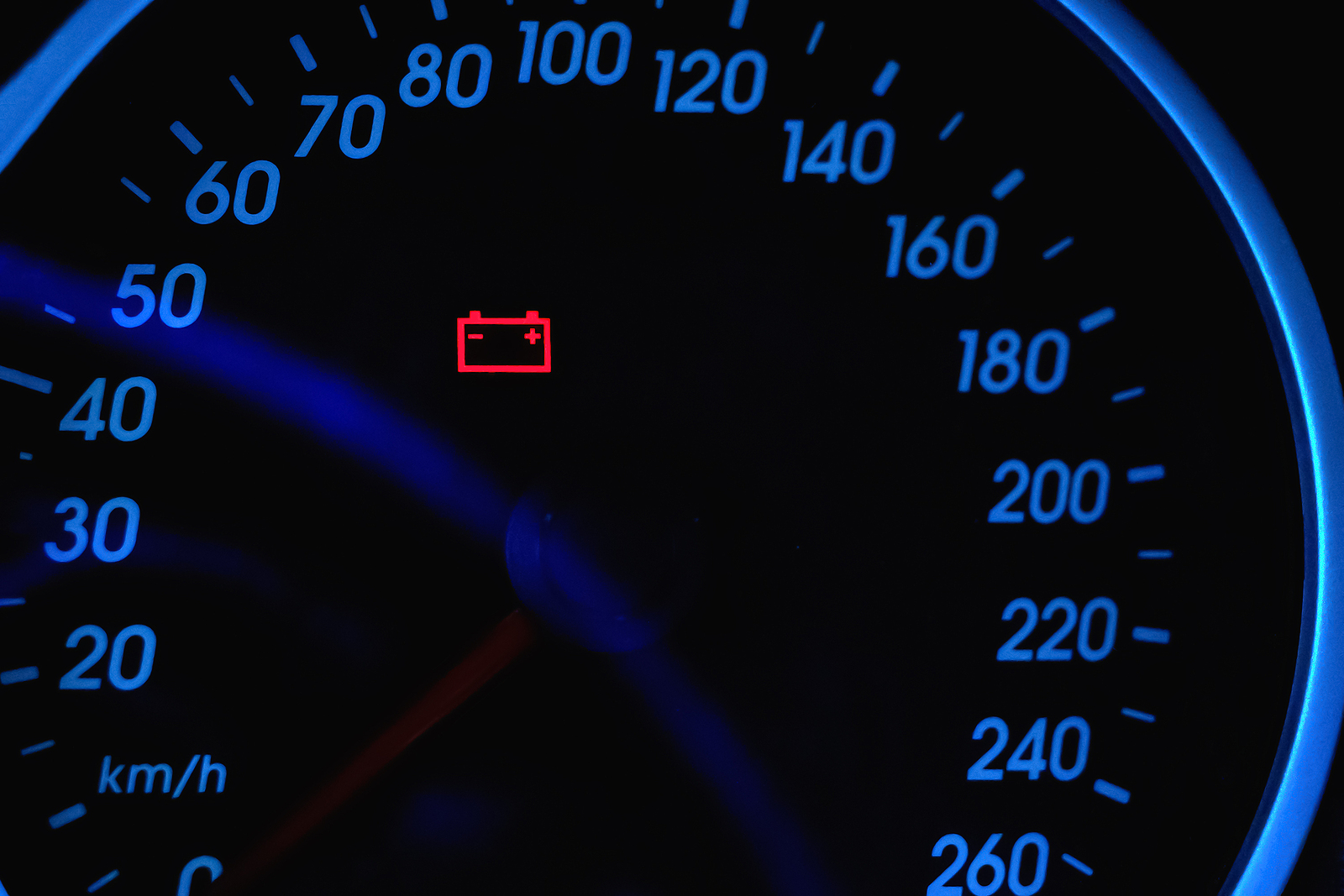
The dreaded battery light. Seeing it illuminate on your dashboard is enough to make any driver’s heart sink. While the image is of a battery, ironically, it rarely indicates a problem directly with the battery itself. Instead, it's a warning sign pointing towards a larger issue within your vehicle's charging system. Understanding what triggers this light and how to diagnose the underlying problem can save you from being stranded and potentially prevent more costly repairs down the road.
The Charging System: A Quick Overview
Before diving into the specifics of the battery light, it's crucial to understand the basics of your car's charging system. This system is responsible for keeping the battery charged and providing power to all the electrical components while the engine is running. The key components are:
- Battery: Stores electrical energy and provides initial power to start the engine.
- Alternator: The workhorse of the system, it generates electricity to recharge the battery and power the electrical system while the engine is running.
- Voltage Regulator: Maintains a consistent voltage output from the alternator, preventing overcharging and protecting sensitive electronic components.
- Wiring and Connections: Provides the electrical pathways connecting all components.
- Serpentine Belt: Drives the alternator pulley, transferring mechanical energy from the engine.
Why The Light Illuminates: Low Voltage Detection
The battery light, also often labeled as "ALT" or "GEN" (for alternator or generator), illuminates when the vehicle's electronic control unit (ECU) detects a significant voltage drop in the charging system. Specifically, the ECU monitors the voltage output from the alternator. If this voltage falls below a predetermined threshold (typically around 13 volts) while the engine is running, the light turns on as a warning. This voltage drop indicates that the alternator is not producing enough power to adequately charge the battery and support the vehicle's electrical load.
Common Causes of the Battery Light
Several factors can trigger the battery light. Here are some of the most common culprits:
- Faulty Alternator: This is the most frequent cause. The alternator may have worn brushes, a failing voltage regulator, a shorted stator, or other internal problems preventing it from producing adequate voltage.
- Loose or Broken Serpentine Belt: If the serpentine belt that drives the alternator is loose, cracked, or broken, the alternator won't spin at the correct speed, resulting in insufficient power generation. A slipping belt can also cause a high-pitched squealing noise.
- Corroded or Loose Battery Connections: Dirty or loose terminals can create resistance in the electrical circuit, hindering the flow of current. Clean and tighten the battery terminals to ensure a solid connection.
- Faulty Voltage Regulator: Although often integrated into the alternator, the voltage regulator can fail independently, causing overcharging or undercharging of the battery.
- Damaged Wiring: Broken, frayed, or corroded wiring in the charging system can impede the flow of electricity, leading to a voltage drop.
- Excessive Electrical Load: In rare cases, a consistently high electrical load (e.g., running headlights, air conditioning, and a high-powered stereo simultaneously) can overwhelm the charging system, especially in older vehicles with smaller alternators.
- Failing Battery (Less Common): While the light *usually* indicates a charging system issue, a severely degraded battery with a dead cell *can* sometimes trigger the light, especially if the alternator is working at its maximum output to try and compensate.
Diagnosing the Problem
When the battery light comes on, don't ignore it! Here's a simplified troubleshooting approach:
- Visual Inspection: Start by visually inspecting the serpentine belt for damage or looseness. Check the battery terminals for corrosion and ensure they are tightly connected.
- Voltage Measurement: Use a multimeter to check the battery voltage with the engine off (should be around 12.6 volts) and with the engine running (should be between 13.7 and 14.7 volts). Low voltage with the engine running strongly suggests an alternator problem.
- Load Test: A battery load test can assess the battery's ability to hold a charge under load. Most auto parts stores offer free battery testing services.
- Alternator Testing: Many auto parts stores can also test your alternator on the vehicle to determine if it is producing the correct voltage and amperage.
- Professional Diagnosis: If you are uncomfortable performing these tests, take your vehicle to a qualified mechanic for a thorough diagnosis. They have specialized tools and expertise to pinpoint the exact cause of the problem.
Ignoring the Warning: Potential Consequences
Driving with the battery light illuminated is risky. If the alternator isn't charging the battery, the vehicle will eventually drain the battery completely, leaving you stranded. Furthermore, prolonged undercharging or overcharging can damage the battery, shortening its lifespan. In more severe cases, electrical problems can lead to engine stalling or even a fire. Prompt diagnosis and repair are essential to prevent these potential consequences and ensure the reliability of your vehicle.