
What Does Brake System Warning Light Mean
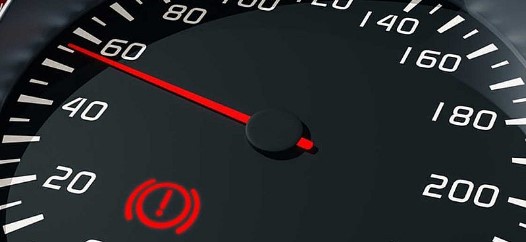
That heart-stopping moment when a bright light illuminates your dashboard – no, not the glorious VTEC engagement lamp (we wish!), but the dreaded brake system warning light. It’s a universal signal of potential peril, but like a chameleon adapting to its environment, its meaning can shift depending on your car’s make, model, and age. Let’s dive deep into the murky waters of brake warning lights and decode their secrets.
Understanding the Universal Language of Brakes
At its core, the brake system warning light (often symbolized by a red exclamation point inside a circle, sometimes enclosed by parentheses, or simply the word "BRAKE") indicates an issue within the braking system. This could be anything from low brake fluid to a malfunctioning ABS sensor, or even just a reminder that your parking brake is engaged (the most common and embarrassing culprit!). Ignoring it is akin to ignoring a persistent cough – it could be nothing, or it could be something seriously wrong.
Delving into Model-Specific Nuances
While the general principle remains the same, the specific causes for a brake warning light can vary significantly between car models. For instance:
- Older Cars (Pre-2000s): These systems are often simpler. The light typically indicates low brake fluid or a problem with the parking brake mechanism.
- Modern Cars (2000s-Present): Here, the light can be triggered by a wider range of issues, including ABS malfunctions, Electronic Stability Control (ESC) problems, brake pad wear sensors (if equipped), and even issues with the brake booster.
Let's consider a couple of specific examples:
Scenario 1: 2005 Honda Civic Si (EP3)
The EP3, known for its rev-happy K20 engine, has a relatively straightforward brake system. If the brake light illuminates, you're likely dealing with low brake fluid, a faulty parking brake switch, or a problem with the hydraulic pressure. ABS issues, while possible, are less common compared to newer vehicles.
Scenario 2: 2018 Audi S4 (B9)
The B9 S4, with its turbocharged V6 and advanced driver-assistance systems, presents a more complex situation. The brake light could indicate low brake fluid, an ABS/ESC malfunction, a problem with the electronic parking brake, or even an issue related to the car's pre-sense safety system, which relies on the braking system for emergency stops.
Spec Table: Brake System Warning Light Causes
| Cause | Older Cars (e.g., 1990s BMW 3 Series) | Modern Cars (e.g., 2020 Tesla Model 3) |
|---|---|---|
| Low Brake Fluid | Common | Common |
| Parking Brake Engaged | Common | Common (though often electronic) |
| ABS Malfunction | Less Common (if equipped) | Common |
| Brake Pad Wear Sensor | Rarely Equipped | Common (especially on luxury models) |
| Electronic Parking Brake Fault | Not Applicable | Possible |
| ESC/Traction Control Issue | Rarely Equipped | Possible |
| Brake Booster Malfunction | Possible | Possible (especially with electric assist) |
Real-World Driving Impressions and Potential Problems
The feel of the brakes *after* the light illuminates can offer valuable clues. Spongy brakes often point to low brake fluid or air in the lines. A stiff pedal might suggest a problem with the brake booster. Grinding noises could indicate severely worn brake pads (even if a wear sensor hasn't triggered the light). Pulling to one side during braking is a sign of uneven brake force, potentially caused by a seized caliper or a damaged brake hose.
Pros and Cons of Advanced Brake Systems:
- Pros: Enhanced safety features (ABS, ESC), improved stopping distances, more precise braking control, early warning systems (brake pad wear sensors).
- Cons: Increased complexity, higher repair costs, potential for false alarms from sensitive sensors.
What to Do When the Light Comes On
1. **Check the Parking Brake:** Seriously, it happens. Make sure it's fully disengaged.
2. **Inspect Brake Fluid Level:** If it's low, top it off (with the correct type!) and monitor for leaks. A persistent drop in fluid level indicates a leak that needs immediate attention.
3. **Consider Brake Pad Wear:** If your car has wear sensors, the light may be telling you it's time for new pads. Even without sensors, visually inspect the pads if possible.
4. **Listen and Feel:** Pay attention to any unusual noises or changes in brake pedal feel.
5. **Consult a Professional:** If the light persists, or if you notice any concerning symptoms, take your car to a trusted mechanic for a proper diagnosis. Don't gamble with your safety – brakes are arguably the most important safety feature on your vehicle.
Ignoring the brake system warning light is never a good idea. It's a signal that something isn't right, and addressing it promptly can prevent a minor issue from escalating into a major, and potentially dangerous, problem.
Remember: Driving style significantly impacts brake wear. Aggressive braking and frequent hard stops will accelerate pad wear and increase the likelihood of brake system issues. Smooth, progressive braking is not only safer but also more economical.
ABS and You: A Quick Note
The Anti-lock Braking System (ABS) is designed to prevent wheel lockup during hard braking, allowing you to maintain steering control. If the ABS light is illuminated *in conjunction* with the brake warning light, it indicates a problem specifically within the ABS system. Your regular brakes will still function (usually), but you won't have the benefit of ABS in an emergency situation. Get it checked ASAP.
One last thought: Some high-performance vehicles offer adjustable brake bias. Could an incorrect brake bias setting, while not necessarily a *fault*, trigger a warning light in some advanced systems? We think it's worth considering!
Now, let's hear your brake light horror stories! Have you ever been stranded by a brake system failure? Or perhaps misdiagnosed a simple issue as something catastrophic? Share your experiences in the comments below!