
What Does Car Battery Corrosion Look Like
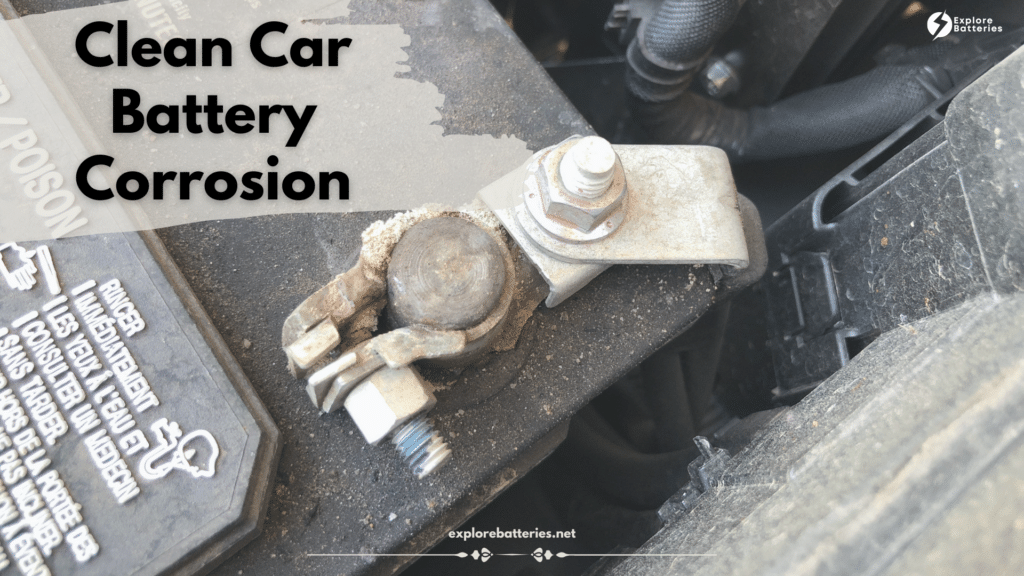
Corrosion on a car battery is a common, yet often misunderstood, problem. It's not simply dirt or grime; it's a chemical process that degrades the battery terminals and surrounding components, potentially leading to starting problems, reduced battery life, and even electrical system malfunctions. Understanding what car battery corrosion looks like, its causes, and potential consequences is the first step in preventing and mitigating its effects.
Understanding the Chemistry of Corrosion
Before we delve into the visual aspects of corrosion, it's essential to understand the underlying chemical processes. Car batteries, typically lead-acid batteries, rely on a chemical reaction between lead plates and sulfuric acid to generate electricity. This reaction, while essential for powering your vehicle, is also the root cause of corrosion.
Electrochemical Reaction
Corrosion is an electrochemical process where a metal is gradually destroyed by chemical reactions with its environment. In the case of a car battery, several factors contribute to this:
- Sulfuric Acid Leaks: The electrolyte within the battery, sulfuric acid (H2SO4), can leak from the battery casing or vents, particularly around the terminals. This is often exacerbated by overfilling the battery with water (in older, non-sealed batteries) or damage to the battery's structure.
- Hydrogen Gas Release: During the charging process, especially when the battery is nearing full charge, hydrogen gas (H2) is produced. This gas can react with the terminal materials and atmospheric components, contributing to corrosion.
- Electrolyte Vaporization: Even without leaks, the electrolyte can slowly vaporize, especially in hot environments. The vapors condense on the terminals and nearby metal parts, initiating corrosion.
- Galvanic Corrosion: If dissimilar metals are in contact (e.g., lead battery terminals and copper wiring), a galvanic cell can form. This accelerates the corrosion of the more reactive metal (usually the terminal).
Visual Manifestations of Car Battery Corrosion
Car battery corrosion doesn't always present in the same way. Its appearance can vary depending on the battery type, the severity of the corrosion, and environmental conditions. Here's a breakdown of common visual signs:
Powdery Deposits
The most common and easily recognizable sign of corrosion is the presence of powdery, crystalline deposits on and around the battery terminals. These deposits can range in color, providing clues about the specific chemical compounds formed:
- White or Off-White Deposits: These are typically lead sulfate (PbSO4), a common byproduct of the battery's chemical reaction. They often appear as a fluffy, almost cotton-like substance.
- Blue or Green Deposits: These indicate copper corrosion, likely originating from the copper wire terminals connected to the battery posts. The blue color is often copper sulfate (CuSO4), while the green color could be copper carbonate (CuCO3) or copper chloride (CuCl2). The presence of blue or green corrosion often suggests a more advanced stage of corrosion and a potential issue with the terminal connections themselves.
- Teal or Turquoise Deposits: These can sometimes indicate a mixture of copper and lead corrosion, or the presence of other contaminants in the environment that are reacting with the battery terminals.
The powdery nature of these deposits is due to the porous structure of the corrosion products. This increases their surface area, accelerating the corrosion process further.
Bulky Build-Up
In more severe cases, the powdery deposits can accumulate over time, forming a thick, bulky build-up around the terminals. This build-up can obscure the terminals, making it difficult to properly connect or disconnect the battery cables. It can also create an insulating layer, reducing the electrical conductivity between the battery and the vehicle's electrical system. This often manifests as a sluggish starting motor or intermittent electrical issues.
Corrosion Spread
Corrosion isn't always confined to the battery terminals themselves. It can spread to surrounding components, including the battery hold-down bracket, the battery cables, and even nearby parts of the engine bay. This is particularly common if the battery has a significant leak or if the corrosion is left untreated for an extended period. The spread of corrosion can damage these components, requiring their replacement.
Terminal Degradation
Over time, corrosion can physically degrade the battery terminals. The metal of the terminals can become pitted, weakened, and even crumble. This can lead to a loose or unreliable connection, causing intermittent starting problems or electrical malfunctions. In extreme cases, the terminals may become so corroded that they break off entirely, rendering the battery unusable.
Electrolyte Staining
Leaks of sulfuric acid electrolyte can leave noticeable stains on the battery casing and surrounding surfaces. These stains often appear as a greasy, translucent film or a discolored patch. They're a clear indication of a battery leak and should be addressed promptly to prevent further corrosion and potential damage to the vehicle.
Factors Influencing Corrosion Appearance
The appearance of car battery corrosion isn't solely determined by the chemical processes involved. Several external factors can also influence its color, texture, and severity:
- Climate and Environment: Hot and humid climates tend to accelerate corrosion. The presence of airborne pollutants, such as salt spray in coastal areas, can also contribute to corrosion.
- Battery Age and Condition: Older batteries are more prone to leaks and corrosion due to the degradation of their seals and casings. Batteries that have been overcharged or deeply discharged are also more susceptible to corrosion.
- Maintenance Practices: Regular cleaning of the battery terminals and proper maintenance of the battery electrolyte level (in non-sealed batteries) can help prevent corrosion. Neglecting these maintenance tasks can accelerate the corrosion process.
- Electrical System Issues: Overcharging or voltage fluctuations in the vehicle's electrical system can contribute to corrosion by accelerating the battery's internal chemical reactions.
Consequences of Untreated Corrosion
Ignoring car battery corrosion can lead to a range of problems, some more serious than others:
- Starting Problems: Corrosion can impede the flow of electricity between the battery and the starter motor, making it difficult to start the engine. This can manifest as a slow cranking speed or a complete failure to start.
- Reduced Battery Life: Corrosion can shorten the lifespan of the battery by degrading its internal components and reducing its ability to hold a charge.
- Electrical System Malfunctions: Corrosion can affect the performance of other electrical components in the vehicle, leading to issues with lights, sensors, and other systems.
- Damage to Components: As mentioned earlier, corrosion can spread to surrounding components, causing damage that requires costly repairs.
- Safety Hazards: In extreme cases, battery corrosion can create a fire hazard or release harmful fumes.
In conclusion, understanding the visual cues of car battery corrosion, from the powdery deposits to electrolyte staining, is crucial for preventative maintenance and early detection of potential problems. By regularly inspecting your battery and addressing any signs of corrosion promptly, you can extend the life of your battery, prevent electrical system malfunctions, and ensure the reliability of your vehicle.