
What Does Changing The Oil In Your Car Do
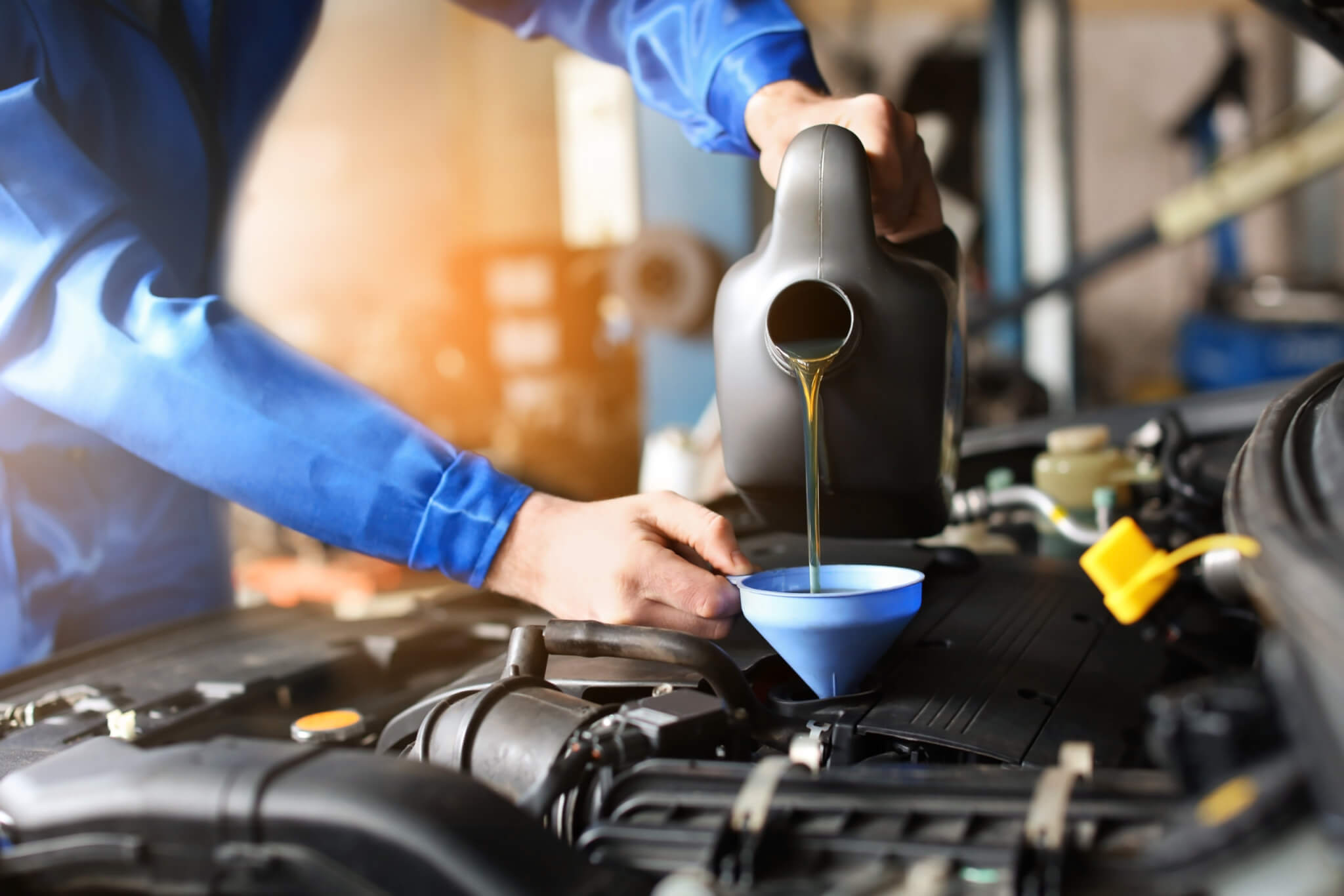
So, you're wondering what changing the oil in your car actually *does*, huh? That's a great question, and it's one every car owner should understand. Think of oil as the lifeblood of your engine. It's constantly circulating, lubricating, and cleaning, but over time, it gets dirty and loses its effectiveness. When that happens, you're looking at potential problems. Let's break down the benefits of regular oil changes and what happens if you skip them.
The Problem: Dirty Oil & Its Consequences
Imagine running a marathon without drinking water. Your body would quickly overheat, and your performance would suffer. The same thing happens to your engine when the oil gets old and contaminated. Here are some key issues caused by neglecting oil changes:
Reduced Lubrication
This is the big one. Fresh oil creates a slippery film between moving parts inside your engine, like the pistons, crankshaft, and connecting rods. This reduces friction and wear. Old oil loses its viscosity (its ability to flow properly) and becomes less effective at lubricating. This increased friction leads to:
- Increased engine wear: Metal-on-metal contact wears down components over time, shortening the lifespan of your engine.
- Reduced fuel efficiency: Friction makes the engine work harder, requiring more fuel to produce the same amount of power.
- Overheating: Friction generates heat. When oil isn't lubricating properly, the engine can overheat, leading to serious damage.
Sludge Buildup
As oil breaks down, it forms sludge – a thick, gooey substance that can clog oil passages and restrict oil flow. Think of it like cholesterol in your arteries. This sludge restricts the oil flow, which intensifies the problems mentioned above. Also, that can lead to:
Oil starvation: Critical engine parts may not receive enough oil, leading to rapid wear and potential engine seizure. Reduced oil pressure: Sludge can clog the oil pump, reducing oil pressure and hindering the engine's ability to lubricate itself properly.
Contamination
Oil picks up contaminants like dirt, dust, metal particles from engine wear, and combustion byproducts. The oil filter helps remove some of these contaminants, but it can only do so much. Old, dirty oil becomes abrasive and further accelerates engine wear. It also affects:
Corrosion: Contaminants can react with engine components, causing corrosion and further reducing their lifespan. Acid formation: Combustion byproducts can create acids that corrode internal engine parts.
Warning Signs
How do you know if your oil needs changing? Watch out for these telltale signs:
- Check Engine Light: While the check engine light can indicate many problems, low oil pressure or other oil-related issues can trigger it.
- Dark, dirty oil: Check the oil dipstick. If the oil is dark, gritty, or smells burnt, it's time for a change.
- Engine knocking or ticking: These sounds can indicate insufficient lubrication.
- Decreased fuel efficiency: Noticeably lower gas mileage can be a sign of increased engine friction.
- Oil pressure warning light: This is a critical warning sign that needs immediate attention.
The Solution: Regular Oil Changes
The solution is simple: stick to a regular oil change schedule. Your car's manufacturer specifies a recommended interval in the owner's manual, usually expressed in miles or months. This interval varies depending on the type of oil used (conventional, synthetic blend, or full synthetic) and your driving conditions. Always refer to your owner's manual for the most accurate recommendation.
Generally speaking:
- Conventional oil: Every 3,000-5,000 miles or 3-6 months.
- Synthetic blend oil: Every 5,000-7,500 miles or 6-9 months.
- Full synthetic oil: Every 7,500-10,000 miles or 9-12 months.
The Benefits of Fresh Oil
Regular oil changes provide numerous benefits, including:
- Extended engine life: Proper lubrication reduces wear and tear, keeping your engine running smoothly for longer.
- Improved fuel efficiency: Reduced friction translates to better gas mileage.
- Optimal engine performance: A well-lubricated engine runs smoother and more efficiently, delivering optimal power and responsiveness.
- Reduced emissions: A clean engine burns fuel more efficiently, reducing harmful emissions.
- Prevention of costly repairs: Regular maintenance can prevent serious engine damage that can be expensive to repair.
DIY Oil Change or Professional Service?
You have two options: change the oil yourself (DIY) or have a professional mechanic do it.
DIY Oil Change
If you're comfortable working on cars and have the necessary tools, a DIY oil change can save you money. Here's what you'll need:
- New oil: The correct type and amount specified in your owner's manual.
- New oil filter: The correct filter for your vehicle.
- Wrench: To remove the oil drain plug and oil filter.
- Oil filter wrench: (May be required depending on the filter type.)
- Drain pan: To catch the old oil.
- Funnel: To pour the new oil into the engine.
- Gloves: To protect your hands.
- Rags or paper towels: For cleaning up spills.
- Jack and jack stands: To safely lift the vehicle (if necessary).
- Wheel chocks: to secure the vehicle
Important Safety Note: Always use jack stands when working under a vehicle. Never rely solely on a jack.
The process involves draining the old oil, replacing the oil filter, and adding the new oil. Be sure to dispose of the used oil properly at a designated recycling center or auto parts store.
Professional Oil Change Service
If you're not comfortable working on cars, or simply don't have the time, a professional oil change service is a convenient option. Mechanics have the tools, experience, and knowledge to perform the oil change quickly and efficiently. Plus, they can also inspect other components of your vehicle and identify potential problems before they become serious.
Approximate Cost: The cost of an oil change service varies depending on the type of oil used and the shop's labor rates. Expect to pay:
- Conventional oil change: $30 - $75
- Synthetic blend oil change: $50 - $100
- Full synthetic oil change: $75 - $150+
These are just estimates; prices may vary. It's always a good idea to call around to different shops to compare prices.
Conclusion
Changing your car's oil is a fundamental maintenance task that has a significant impact on its longevity and performance. Whether you choose to do it yourself or have a professional handle it, prioritizing regular oil changes is an investment in the health and well-being of your vehicle. Don't wait until you hear those telltale engine knocks – stick to a recommended oil change schedule and enjoy a smoother, more efficient, and longer-lasting ride.