
What Does Coolant Look Like On The Ground
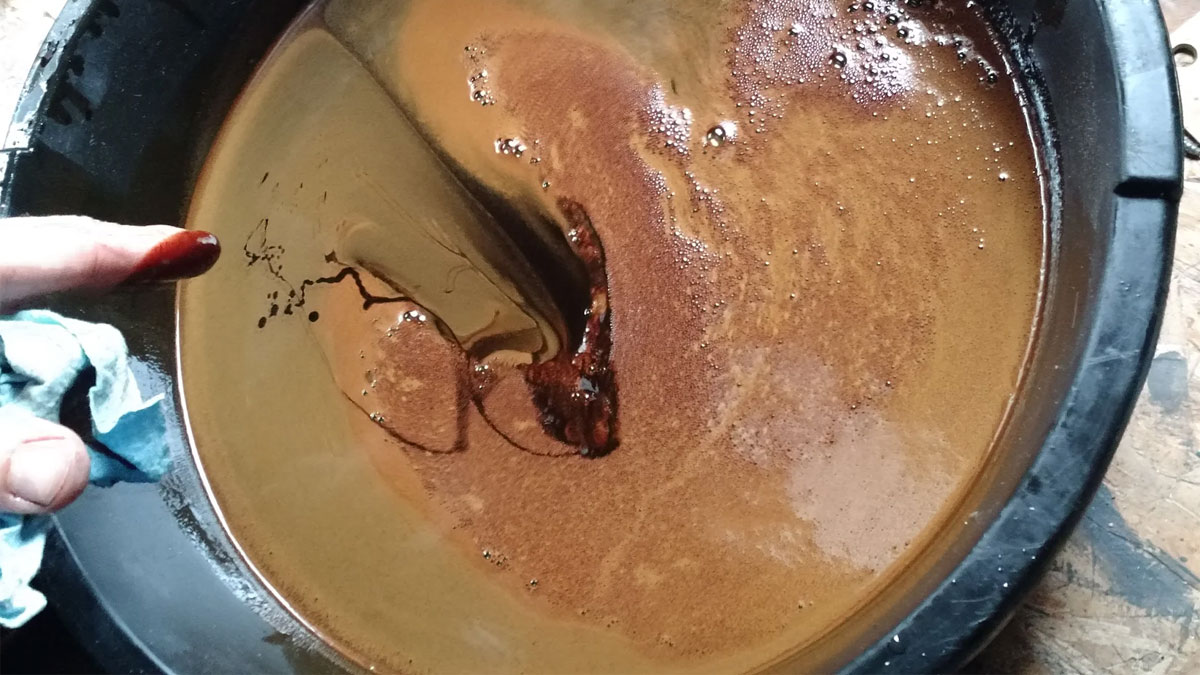
Finding a puddle under your car can be alarming. While it could be condensation from your air conditioning, a brightly colored liquid is often cause for concern. If you suspect it's coolant, also known as antifreeze, identifying its characteristics on the ground is crucial for diagnosing the problem and preventing potentially catastrophic engine damage. This article dives into what coolant looks like when it leaks, common causes of leaks, and what you should do about it.
Identifying Coolant by Sight and Smell
Coolant isn't just water; it's a carefully formulated mixture designed to prevent freezing, boiling, and corrosion within your engine's cooling system. This mixture usually includes ethylene glycol or propylene glycol as its base. These glycols give coolant its distinct characteristics:
- Color: Coolant comes in a variety of colors, typically green, pink, orange, yellow, or blue. The color itself doesn't necessarily indicate the type of coolant; rather, it often denotes the manufacturer or specific formula. Dex-Cool, for example, is often orange or red. Over time, however, even fresh coolant can become brownish or rusty due to corrosion and contaminants within the system.
- Consistency: Coolant has a slightly oily or slippery feel to the touch, due to the glycols it contains. This is different from water, which evaporates quickly and leaves no residue.
- Smell: Ethylene glycol coolant has a distinctively sweet smell. While the smell might be tempting to animals (especially dogs and cats), it’s extremely toxic. Propylene glycol coolant, a safer alternative, has a less pronounced smell, often described as slightly sweet or odorless. Never taste any fluid leaking from your car.
If the puddle is clear and odorless, it's likely condensation from the air conditioner. If it's oily and dark, it's probably engine oil. But if it's colored and has a sweet smell, it's almost certainly coolant.
Common Causes of Coolant Leaks
Pinpointing the source of the leak is crucial for a proper repair. Here are some common culprits:
- Radiator: The radiator is a prime location for leaks, especially at the seams or where hoses connect. Age, corrosion, and physical damage (like a stone kicked up from the road) can all contribute to radiator failure. A radiator replacement can cost anywhere from $300 to $800, depending on the vehicle model and whether you opt for aftermarket or OEM (Original Equipment Manufacturer) parts.
- Hoses: Radiator hoses, heater hoses, and other coolant hoses are made of rubber, which degrades over time due to heat and pressure. Cracks, bulges, or soft spots indicate a hose needs replacement. Hose replacement is typically a relatively inexpensive repair, often under $100.
- Water Pump: The water pump circulates coolant throughout the engine. A failing water pump can leak from the weep hole, a small opening designed to release pressure. Water pump replacement can be more involved, as it often requires removing belts, pulleys, and other engine components. Expect to pay between $200 and $600 for this repair.
- Thermostat Housing: The thermostat housing holds the thermostat, which regulates engine temperature. Leaks can occur around the gasket or the housing itself due to corrosion or damage.
- Head Gasket: A blown head gasket is a more serious problem. It allows coolant to leak into the engine cylinders or the oil pan. Symptoms include white smoke from the exhaust, milky oil, and overheating. Head gasket repairs are complex and expensive, often exceeding $1000.
- Freeze Plugs (Core Plugs): These small plugs seal openings in the engine block that were used during manufacturing. They can corrode over time, leading to leaks.
What to Do When You Find Coolant on the Ground
Ignoring a coolant leak can lead to severe engine overheating and damage. Here’s a course of action:
- Identify the Leak: As discussed, confirm the fluid is indeed coolant.
- Check Coolant Level: Monitor the coolant level in the reservoir. A low level indicates a leak. Never open the radiator cap when the engine is hot, as this can cause severe burns.
- Inspect for Obvious Leaks: Look around the radiator, hoses, water pump, and engine block for any visible leaks.
- Consult a Mechanic: If you're not comfortable diagnosing and repairing the leak yourself, take your vehicle to a trusted mechanic. Explain what you observed and provide as much detail as possible.
- Use the Correct Coolant: When topping off coolant, use the type specified in your vehicle's owner's manual. Mixing different types of coolant can lead to corrosion and reduced cooling efficiency.
Regular maintenance, including coolant flushes, is crucial for preventing leaks and extending the life of your cooling system. Following these steps can help you identify and address coolant leaks before they cause major engine problems, saving you time and money in the long run. Remember that addressing coolant leaks promptly is vital for ensuring the reliable and efficient performance of your vehicle's engine.