
What Does Corrosion On A Car Battery Mean
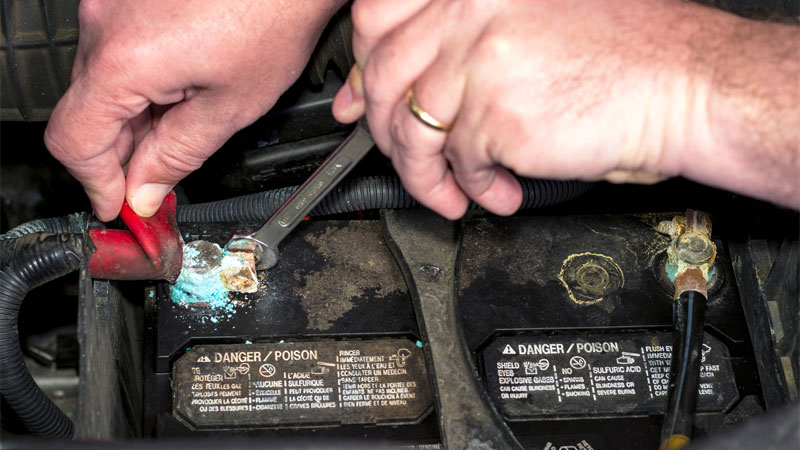
Corrosion on a car battery is a prevalent issue affecting vehicles across various climates and usage patterns. It's more than just an aesthetic problem; it's a clear indicator of underlying chemical processes that can significantly impact a vehicle's electrical system reliability and longevity. This article delves into the causes, consequences, and mitigation strategies for battery corrosion, tailored for automotive professionals.
Understanding the Root Causes of Battery Corrosion
Battery corrosion, typically appearing as a white, bluish-green, or powdery substance around the battery terminals, is primarily caused by the release of hydrogen gas and sulfuric acid fumes from the battery's electrolyte solution. This occurs during the charging process, especially when the battery is overcharged. The escaping gases react with the metallic components of the terminals (typically lead or an alloy containing lead) and surrounding metal parts, forming various sulfate compounds. Specifically, lead sulfate (PbSO4) is a common byproduct. The chemical reactions are complex, influenced by factors such as:
- Electrolyte Composition: The concentration and purity of the sulfuric acid electrolyte solution directly affect the severity of corrosion. Cheaper, lower-quality batteries may use less refined electrolytes, increasing the likelihood of outgassing and corrosion.
- Overcharging: A faulty voltage regulator or prolonged periods of driving with a failing charging system can lead to overcharging. This causes excessive gassing within the battery, accelerating the corrosion process. The electrochemical equation relating to overcharging is complex but generally involves water hydrolysis at the positive electrode, releasing oxygen and contributing to the breakdown of the electrode material.
- Temperature Fluctuations: Extreme temperature swings exacerbate corrosion. Heat increases the rate of chemical reactions, while cold temperatures can cause the battery case to expand and contract, potentially leading to cracks and electrolyte leakage.
- Battery Age: Older batteries are more prone to corrosion due to internal degradation and increased resistance. This higher resistance translates to more heat during charging, further fueling the corrosion process.
- Ventilation: Poor ventilation around the battery can trap corrosive gases, increasing their concentration and accelerating the corrosion process.
Consequences of Battery Corrosion
The consequences of unchecked battery corrosion extend far beyond visual imperfections. The most significant impacts include:
- Reduced Electrical Conductivity: Corrosion acts as an insulator, increasing the resistance between the battery terminals and the connecting cables. This reduces the current flow, leading to starting problems, dimming headlights, and malfunctioning electrical accessories. The increased resistance also places a greater load on the alternator, potentially shortening its lifespan.
- Voltage Drop: The increased resistance caused by corrosion results in a voltage drop across the terminals. This can trigger fault codes in the vehicle's electronic control units (ECUs), leading to diagnostic challenges.
- Premature Battery Failure: Corrosion can physically damage the battery terminals and cables, weakening their structural integrity. This can lead to cracking, breakage, and ultimately, premature battery failure. Furthermore, corrosion products can migrate into the battery itself, contaminating the electrolyte and reducing its capacity.
- Safety Hazards: In severe cases, corrosion can lead to hydrogen gas buildup, creating a risk of explosion, especially in poorly ventilated areas. Also, the corrosive materials themselves pose a chemical burn hazard if not handled properly.
Maintenance and Prevention Strategies
Preventing and mitigating battery corrosion is crucial for maintaining vehicle reliability. Key strategies include:
- Regular Inspections: Inspect battery terminals and cables regularly for any signs of corrosion. Use a battery terminal cleaner and protector to remove existing corrosion and prevent future buildup. Proper personal protective equipment (PPE), including gloves and eye protection, is essential.
- Terminal Cleaning: When cleaning terminals, disconnect the negative terminal first to prevent accidental short circuits. Use a wire brush or terminal cleaning tool to remove corrosion. After cleaning, apply a thin layer of dielectric grease or terminal protector to prevent future corrosion.
- Voltage Regulator Testing: Regularly test the vehicle's voltage regulator to ensure it is functioning correctly and preventing overcharging. A multimeter can be used to measure the charging voltage at the battery terminals. The voltage should typically be between 13.8 and 14.4 volts when the engine is running.
- Proper Ventilation: Ensure adequate ventilation around the battery to prevent the buildup of corrosive gases. Check for obstructions in the battery compartment.
- Battery Replacement: Replace old or damaged batteries promptly. Consider using a battery with corrosion-resistant terminals. When replacing, ensure that the new battery's specifications (voltage, cold cranking amps [CCA], reserve capacity) match the vehicle's requirements.
- Battery Terminal Protection: Utilize felt washers or corrosion-resistant sprays designed to protect battery terminals. These products create a barrier against moisture and corrosive gases.
Comparing Battery Technologies: Impact on Corrosion
Different battery technologies exhibit varying levels of corrosion susceptibility:
- Flooded Lead-Acid Batteries: These are the most common and also the most prone to corrosion due to their open venting system and liquid electrolyte.
- AGM (Absorbent Glass Mat) Batteries: AGM batteries are sealed, reducing the risk of electrolyte leakage and corrosion compared to flooded batteries. However, they are still susceptible to corrosion if overcharged or exposed to extreme temperatures. They are a worthwhile upgrade, boasting improved performance and reduced outgassing, but at a higher cost.
- EFB (Enhanced Flooded Battery) Batteries: EFB batteries offer improved performance and durability compared to standard flooded batteries, with some reduction in corrosion susceptibility due to enhanced plate design and electrolyte additives. These are a middle-ground between flooded and AGM in terms of cost and performance.
- Lithium-Ion Batteries: Increasingly common in hybrid and electric vehicles, lithium-ion batteries exhibit minimal terminal corrosion due to their sealed design and different electrolyte chemistry. However, they are susceptible to other types of degradation, such as capacity fade and thermal runaway. Their complexity and higher voltage requirements necessitate specialized diagnostic and maintenance procedures.
Future Trends in Battery Technology and Corrosion Management
The automotive industry is rapidly evolving, with significant advancements in battery technology. Future trends impacting battery corrosion management include:
- Solid-State Batteries: Solid-state batteries promise increased energy density, improved safety, and potentially reduced corrosion due to the absence of a liquid electrolyte.
- Advanced Battery Management Systems (BMS): Sophisticated BMS will provide more precise control over charging and discharging, minimizing the risk of overcharging and extending battery life. They will also monitor battery health in real-time, providing early warnings of potential issues, including corrosion.
- Improved Corrosion-Resistant Materials: Research and development efforts are focused on developing new alloys and coatings that are more resistant to corrosion.
- Predictive Maintenance: Data-driven analytics will be used to predict battery failure and schedule maintenance proactively, reducing downtime and preventing costly repairs.
Reliability of a vehicle’s electrical system hinges on the health of its battery and connections. Proactive maintenance, coupled with an understanding of electrochemical processes, is the best defense against corrosion. As the automotive industry moves towards electrification, the focus will shift from managing traditional lead-acid battery corrosion to addressing the unique challenges associated with advanced battery technologies. Staying informed about these advancements and adopting appropriate maintenance practices will be crucial for automotive professionals in the years to come. The industry is pushing for more robust and efficient electrical systems; understanding battery corrosion is more important than ever.