
What Does Heat Range Mean On A Spark Plug
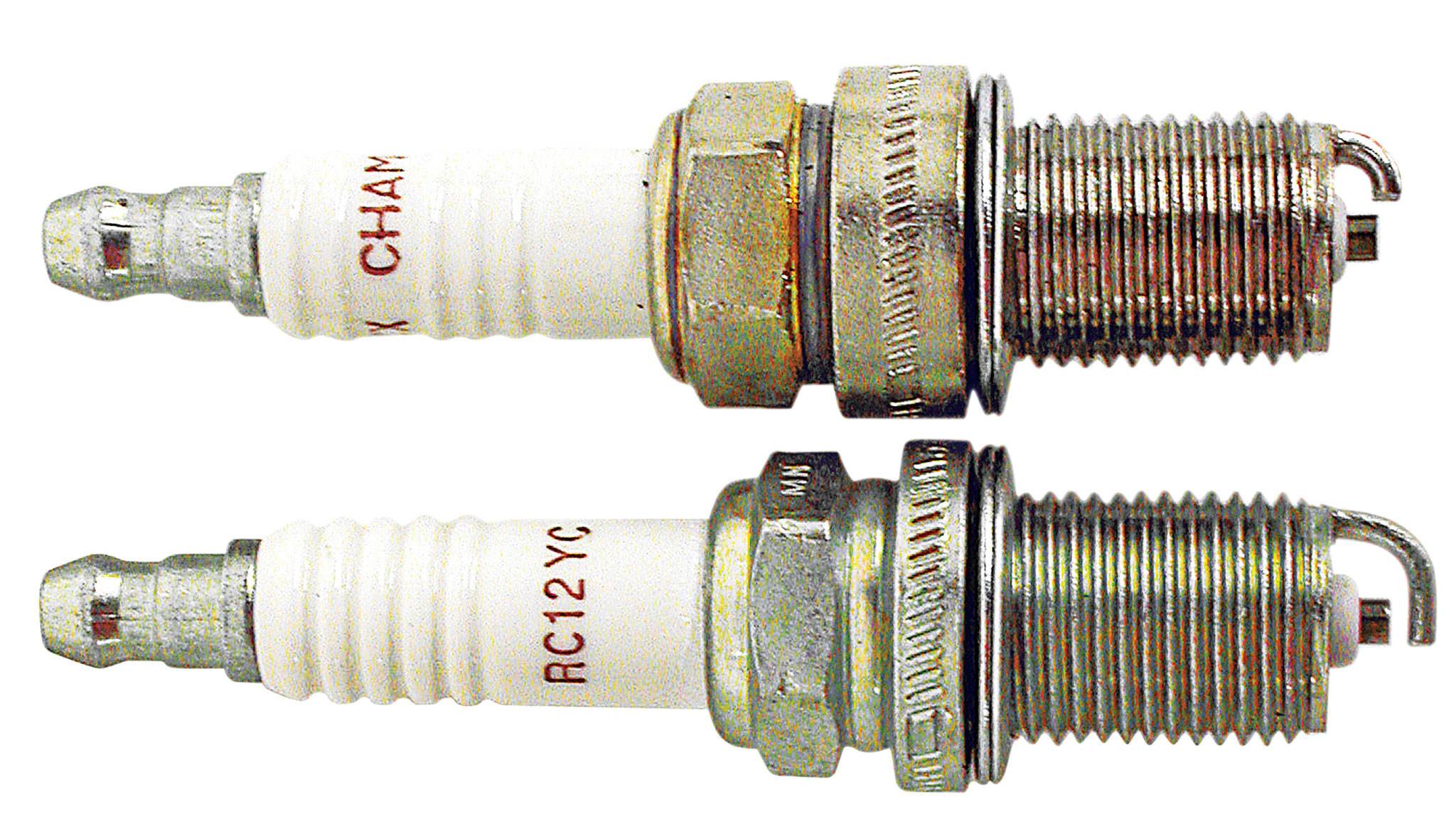
So, you're scratching your head about spark plug heat range? Don't worry, you're not alone. It's a term that often gets overlooked, but it's crucial for engine performance and longevity. Think of me as your friendly neighborhood service advisor – let's break it down and get you back on the road with confidence.
What Exactly is Spark Plug Heat Range?
Simply put, the heat range of a spark plug is its ability to dissipate heat. It's a rating, typically expressed as a number, that indicates how much heat the spark plug can transfer away from the combustion chamber. A “hotter” plug retains more heat, while a “colder” plug dissipates heat more quickly. It's not about how hot the spark is, but rather how well the spark plug sheds the heat generated during combustion.
Think of it like this: your engine's combustion process is constantly creating heat. The spark plug sits right in the middle of it, and its job isn't just to create a spark. It also has to manage the intense temperatures to prevent pre-ignition (where the fuel ignites before the spark) or detonation (an uncontrolled explosion in the cylinder). A correctly chosen heat range helps to ensure the spark plug operates within its optimal temperature range.
Why is this important? If a spark plug is too hot, it can cause pre-ignition or detonation, which can severely damage your engine. If it's too cold, it can foul with carbon deposits, leading to misfires and poor performance.
Understanding "Hot" vs. "Cold" Plugs
The terminology can be a bit confusing. A “hot” plug isn't necessarily physically hotter. It just retains more heat within its core. This means it burns off deposits more effectively at lower engine speeds. They are often used in engines that operate at lower RPMs for extended periods, like those found in older cars or lawnmowers. A hot plug has a longer insulator tip, which increases the heat path, hence the "hotter" designation.
Conversely, a “cold” plug dissipates heat more rapidly. It's better suited for high-performance engines or those that operate at high RPMs for long periods. Cold plugs have a shorter insulator tip. The shorter heat path allows heat to transfer away more quickly.
Remember this analogy: Think of hot plugs as wearing a thick winter coat – they keep the heat in. Cold plugs are like wearing a light jacket – they let the heat escape.
Symptoms of Using the Wrong Heat Range
Using the wrong heat range can cause a variety of problems. Here's what to look for:
- Too Hot:
- Pre-ignition or detonation (pinging or knocking sounds)
- Damaged or melted electrodes
- Blistered or glazed insulator tip
- Reduced engine power
- Too Cold:
- Fouled spark plugs (covered in carbon deposits)
- Misfires (engine stumbles or hesitates)
- Poor fuel economy
- Sluggish acceleration
If you experience any of these symptoms, it's essential to check your spark plugs and consult your vehicle's service manual to ensure you're using the correct heat range.
How to Determine the Correct Heat Range
The easiest and most reliable way to determine the correct heat range is to consult your vehicle's owner's manual or service manual. The manufacturer specifies the recommended spark plug type, including the heat range, for your specific engine. You can also often find this information on a sticker under the hood.
Alternatively, you can use an online spark plug lookup tool. Most major spark plug manufacturers, like NGK and Champion, have websites where you can enter your vehicle's make, model, and year to find the recommended spark plug. Be sure to double-check this information with your owner's manual to be certain.
What if I've modified my engine?
If you've made modifications to your engine that increase its power output (e.g., turbocharging, supercharging, performance tuning), you might need to use a colder spark plug. Increased power means increased combustion temperatures. Consulting with a performance shop is recommended in these cases.
Changing Spark Plugs: A DIY Guide
Replacing spark plugs is a relatively straightforward task for most DIYers. Here's a quick rundown:
Tools You'll Need:
- Spark plug socket (specific to your spark plug size)
- Socket wrench
- Torque wrench
- Spark plug gap tool (feeler gauge)
- Anti-seize compound
- Dielectric grease
- Extension (for reaching deep-seated spark plugs)
- Clean shop rags
Steps:
- Safety First: Disconnect the negative battery cable. Let the engine cool down completely.
- Access the Plugs: Locate the spark plugs. You might need to remove some engine covers or air intake components.
- Remove the Wires/Coil Packs: Carefully disconnect the spark plug wires or coil packs from the spark plugs. Label them to avoid confusion.
- Remove the Old Plugs: Use the spark plug socket and wrench to loosen and remove the old spark plugs.
- Inspect the Old Plugs: Examine the old spark plugs for signs of wear, damage, or incorrect heat range (as described above).
- Gap the New Plugs: Use a spark plug gap tool to ensure the new spark plugs have the correct gap. Consult your vehicle's service manual for the proper gap setting.
- Apply Anti-Seize: Apply a small amount of anti-seize compound to the threads of the new spark plugs.
- Install the New Plugs: Carefully thread the new spark plugs into the cylinder head by hand to avoid cross-threading.
- Torque to Spec: Use a torque wrench to tighten the spark plugs to the manufacturer's specified torque.
- Apply Dielectric Grease: Apply a small amount of dielectric grease to the inside of the spark plug wire boots or coil pack connectors.
- Reconnect Everything: Reconnect the spark plug wires or coil packs. Reinstall any engine covers or air intake components you removed.
- Reconnect the Battery: Reconnect the negative battery cable.
- Start the Engine: Start the engine and listen for any unusual noises. Check for misfires or rough running.
Important Note: Always consult your vehicle's service manual for specific instructions and torque specifications. Overtightening spark plugs can damage the cylinder head.
Cost Considerations
The cost of replacing spark plugs can vary depending on the type of spark plugs, the number of cylinders in your engine, and whether you do the job yourself or take it to a mechanic.
- DIY: Spark plugs typically cost between $5 and $20 each. Add another $20-$50 for anti-seize, dielectric grease, and a spark plug gap tool if you don't already have them.
- Mechanic: Labor costs can range from $50 to $200 or more, depending on the shop's hourly rate and the complexity of the job. Some engines have difficult-to-access spark plugs, which will increase labor costs. Expect the total cost to be between $100 and $500 or more.
Bottom Line: Understanding spark plug heat range is vital for optimal engine performance and longevity. If you're unsure about which heat range to use, always consult your vehicle's service manual or a qualified mechanic. Replacing spark plugs is a relatively simple maintenance task that can significantly improve your vehicle's performance and fuel economy. Don't hesitate to ask if you have further questions! Happy driving!