
What Does It Mean When Car Is Overheating
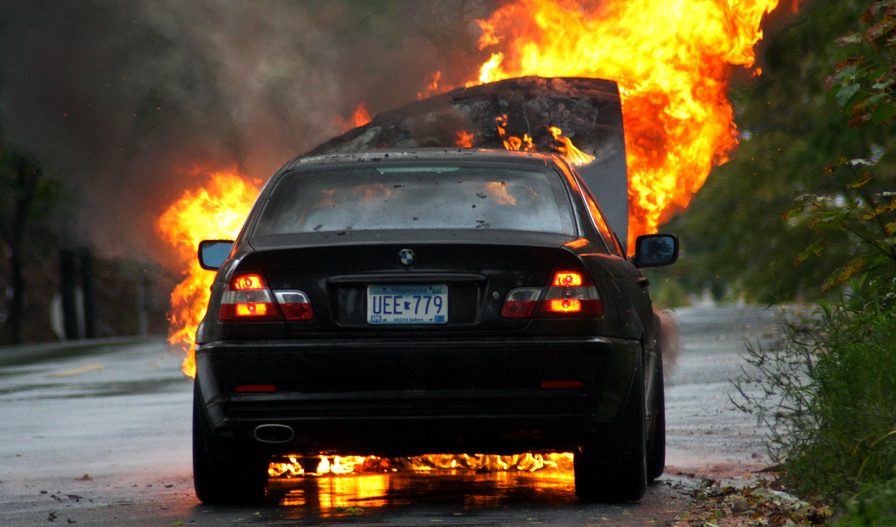
Seeing that temperature gauge creep into the red zone? Uh oh. An overheating car is more than just an inconvenience; it's a serious warning sign that something isn't right under the hood. Ignoring it can lead to significant engine damage, turning a relatively minor repair into a costly nightmare. But don't panic! Understanding the common causes of overheating and knowing how to react can save you time, money, and a whole lot of stress. Let's dive in.
Understanding the Basics: Why Cars Overheat
First, let's quickly review how your car's cooling system works. The engine generates a tremendous amount of heat through combustion. The cooling system's job is to regulate this heat, keeping the engine operating within a safe temperature range. This system primarily consists of:
- The Radiator: Dissipates heat from the coolant.
- The Water Pump: Circulates coolant throughout the engine and radiator.
- The Thermostat: Regulates coolant flow to maintain a consistent temperature.
- Coolant (Antifreeze): A special fluid that absorbs and transfers heat.
- Hoses: Connect all the components, allowing coolant to flow.
- The Cooling Fan(s): Draw air across the radiator to enhance cooling, especially at low speeds or when idling.
When one or more of these components malfunction, the cooling system's efficiency is compromised, leading to overheating.
Common Causes of Car Overheating and Their Solutions
Now, let's break down the most frequent culprits behind an overheating engine and what you can do about them:
1. Low Coolant Level
This is often the first thing to check. A low coolant level means there isn't enough fluid to absorb and transfer heat effectively. Possible causes include leaks, evaporation, or a blown head gasket (more on that later).
Symptoms: Temperature gauge rising, steam coming from under the hood, sweet smell (if coolant is leaking).
Solution: Let the engine cool completely before opening the radiator cap (never open a hot radiator cap!). Check the coolant level in the radiator and the overflow reservoir. If low, add a 50/50 mix of coolant and distilled water. If you frequently need to add coolant, you likely have a leak that needs professional attention.
Tools Needed: Gloves, safety glasses, 50/50 coolant mixture, funnel.
Approximate Repair Cost (if leak is present): $100 - $500+ depending on the location and complexity of the leak.
2. Leaking Coolant Hoses
Coolant hoses can become brittle and crack over time, leading to coolant leaks. Check all hoses for signs of cracks, bulges, or leaks around the connections.
Symptoms: Visible coolant leaks, low coolant level, puddles of coolant under the car.
Solution: Replace the damaged hose. This is a relatively straightforward repair, but it's important to use the correct type and size of hose. Make sure the engine is cool before attempting this repair. A repair shop can easily handle this.
Tools Needed: Screwdrivers or hose clamp pliers, replacement hose, drain pan, coolant.
Approximate Repair Cost: $50 - $200 per hose, depending on the hose location and vehicle.
3. Faulty Thermostat
The thermostat regulates the flow of coolant to the radiator. If it's stuck closed, it restricts coolant flow, causing the engine to overheat. A faulty thermostat can also get stuck open. This will not cause overheating but may prevent the engine from reaching operating temperature in cold weather.
Symptoms: Rapid temperature increase, temperature gauge fluctuating wildly, upper radiator hose may be cool while the engine is overheating.
Solution: Replace the thermostat. This repair usually requires draining some coolant and removing the thermostat housing. It's a good idea to replace the thermostat gasket at the same time.
Tools Needed: Wrenches, sockets, drain pan, new thermostat, new thermostat gasket, coolant.
Approximate Repair Cost: $100 - $300, including parts and labor.
4. Water Pump Failure
The water pump circulates coolant throughout the engine. If it fails, coolant won't flow properly, leading to overheating. Water pumps can fail due to worn bearings, impeller damage, or leaks.
Symptoms: Temperature gauge rising, whining noise from the engine (indicating failing water pump bearings), coolant leaks near the water pump, steam coming from under the hood.
Solution: Replace the water pump. This is a more complex repair that often requires removing the timing belt or chain. Because of this, it is usually best left to a professional mechanic.
Tools Needed: Varies greatly depending on the vehicle. This repair usually requires specialized tools and experience.
Approximate Repair Cost: $300 - $700+, depending on the vehicle and the complexity of the job.
5. Radiator Issues
A blocked or damaged radiator can prevent proper heat dissipation. Blockages can be caused by rust, scale, or debris. Damage can result from accidents or corrosion.
Symptoms: Temperature gauge rising, radiator fins bent or damaged, cool spots on the radiator (indicating blockages).
Solution: Try flushing the radiator to remove any blockages. If the radiator is severely damaged or blocked, it will need to be replaced. A radiator flush is a good preventative measure every few years. Consider a professional radiator service for optimal results.
Tools Needed: Radiator flush kit, hose, wrench for drain plug (if applicable), distilled water, coolant.
Approximate Repair Cost (Flush): $50 - $150.
Approximate Repair Cost (Replacement): $300 - $800+, depending on the vehicle and radiator type.
6. Cooling Fan Problems
The cooling fan(s) help dissipate heat, especially when the car is idling or moving slowly. If the fan isn't working, the engine can overheat in these situations.
Symptoms: Overheating primarily when idling or in slow traffic, temperature gauge returning to normal when driving at higher speeds.
Solution: Check the fan motor and the fan relay. If the motor is bad or the relay is faulty, replace them. Also, check the coolant temperature sensor, as this sends a signal to turn the fan on. A professional diagnosis is recommended to pinpoint the exact cause.
Tools Needed: Multimeter, screwdrivers, wrenches.
Approximate Repair Cost: $100 - $400, depending on the component that needs to be replaced.
7. Blown Head Gasket
A blown head gasket is a serious problem that can cause coolant to leak into the cylinders or oil passages, leading to overheating and other engine problems. Ignoring a blown head gasket can cause irreparable engine damage.
Symptoms: Overheating, white smoke from the exhaust, milky oil (coolant mixing with oil), bubbling in the radiator, loss of coolant with no visible leaks.
Solution: This requires a professional mechanic. The head gasket needs to be replaced, which involves disassembling part of the engine. This is a labor-intensive repair.
Tools Needed: This repair requires specialized tools and expertise.
Approximate Repair Cost: $1000 - $3000+, depending on the vehicle and the extent of the damage.
What to Do When Your Car Overheats
If you notice your car overheating, take the following steps:
- Pull Over Safely: As soon as possible, pull over to a safe location and turn off the engine.
- Let the Engine Cool: Allow the engine to cool down completely before attempting to open the hood or radiator cap. This may take 30 minutes to an hour.
- Check Coolant Level: Once the engine is cool, carefully open the radiator cap (using a cloth to protect your hand) and check the coolant level. Add coolant if needed.
- Check for Leaks: Inspect the engine and hoses for any visible leaks.
- Call for Help: If you can't identify the problem or the car continues to overheat, call a tow truck and have your car taken to a trusted mechanic. Do not continue driving an overheating car.
Prevention is Key
Regular maintenance is the best way to prevent overheating. Here are a few tips:
- Check Coolant Levels Regularly: At least once a month.
- Flush the Cooling System: Every two to three years, or as recommended in your owner's manual.
- Inspect Hoses and Belts: Regularly for cracks, wear, and leaks.
- Replace the Thermostat: As recommended in your owner's manual (usually every 50,000 - 75,000 miles).
- Address Minor Issues Promptly: Don't ignore small leaks or unusual noises. Catching problems early can prevent them from escalating into major repairs.
By understanding the causes of car overheating and taking preventative measures, you can keep your engine running cool and avoid costly repairs. Remember, a little maintenance goes a long way!