
What Does It Mean When My Abs Light Is On
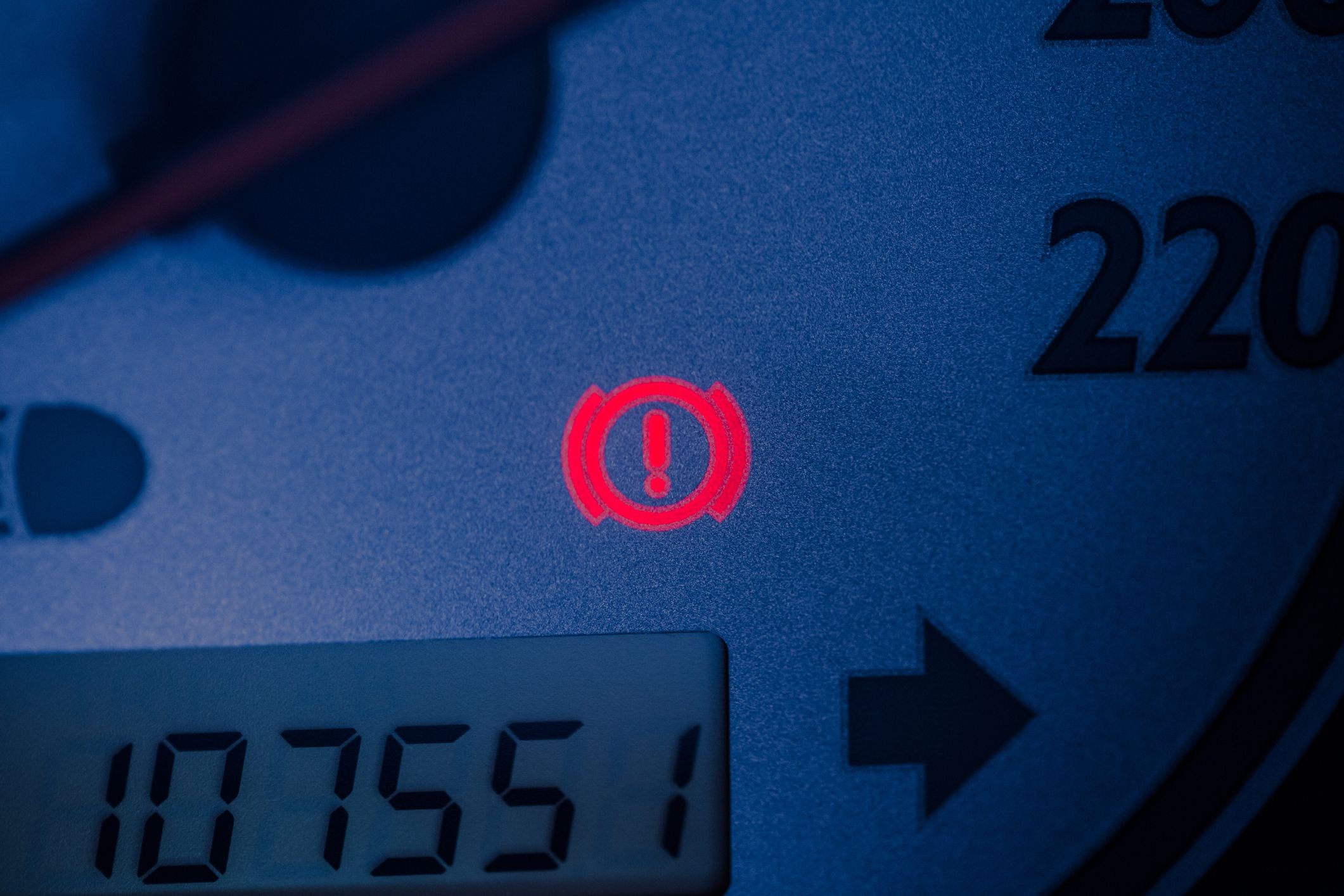
The ABS (Anti-lock Braking System) light on your dashboard is more than just an annoyance; it's a crucial indicator of a potential safety issue. Ignoring it could compromise your vehicle's braking performance, especially in emergency situations. This article dives deep into what an illuminated ABS light signifies, common causes, diagnostic steps, and the importance of addressing it promptly.
Understanding the ABS: More Than Just Brakes
First, let's clarify what the ABS actually does. It's designed to prevent wheel lockup during braking, allowing you to maintain steering control even under hard braking. Without ABS, slamming on the brakes could cause your wheels to lock, leading to skidding and a loss of steering. Think of it as an electronic guardian angel, ensuring you can steer clear of obstacles while braking intensely.
The system relies on several key components: wheel speed sensors, an ABS control module (ECU), a hydraulic control unit, and the regular brake system components. Each wheel has a sensor constantly monitoring its speed. The ABS control module compares these speeds. If it detects that one or more wheels are slowing down significantly faster than others (indicating imminent lockup), it rapidly modulates the brake pressure to that wheel, preventing it from locking. This modulation is what you feel as a pulsing sensation when the ABS activates.
Common Causes of an Illuminated ABS Light
So, what triggers the ABS light? The reasons are diverse, ranging from simple fixes to more complex repairs:
- Wheel Speed Sensor Issues: These sensors are vulnerable to damage from road debris, corrosion, or simple wear and tear. A faulty sensor sends incorrect data to the ABS module, triggering the light. This is a very common issue, especially in areas with harsh winters where road salt accelerates corrosion. Replacement cost for a wheel speed sensor typically ranges from $100 to $300 per sensor, including labor.
- Low Brake Fluid: While seemingly unrelated, low brake fluid can sometimes trigger the ABS light. The low-fluid sensor might be integrated with the ABS system in some vehicles. Check your brake fluid reservoir immediately if the light illuminates. Refilling might solve the problem, but investigate the cause of the low fluid level – a leak in the brake lines is a serious safety concern.
- ABS Control Module Malfunction: The ABS control module, the brains of the system, can fail due to electrical issues, internal damage, or corrosion. This is a more serious and expensive repair. Replacing or reprogramming the ABS module can cost anywhere from $500 to $1500, depending on the vehicle and the complexity of the module.
- Hydraulic Control Unit Problems: This unit contains valves and solenoids that control brake pressure to each wheel. Malfunctions within this unit can trigger the ABS light. Repairs to the hydraulic control unit can be complex and costly.
- Blown Fuse: Start with the simple stuff. A blown fuse in the ABS circuit can cut power to the system, causing the light to illuminate. Check your owner's manual to locate the ABS fuse and replace it if necessary.
Diagnosing the Issue: DIY vs. Professional Help
While some causes are straightforward, diagnosing an ABS light often requires specialized tools. Here's a breakdown of DIY steps and when to seek professional help:
- DIY Checks: Visually inspect wheel speed sensor wires for damage. Check brake fluid level. Inspect ABS fuses.
- Professional Diagnosis: A mechanic will use a diagnostic scanner to read the ABS fault codes stored in the ECU. These codes provide valuable information about the specific problem. A skilled technician can then perform further tests to pinpoint the exact cause.
Attempting to repair complex ABS issues without the proper tools and knowledge can be dangerous. It's generally recommended to consult a qualified mechanic for diagnosis and repair, especially for issues related to the ABS control module or hydraulic control unit. Consider it an investment in your safety.
Driving with the ABS Light On: Is it Safe?
Driving with the ABS light on means your anti-lock braking system is likely disabled. Your regular brakes will still function, but you won't have the added safety of ABS in emergency braking situations. Therefore, it's crucial to drive cautiously, avoid sudden stops, and get the problem resolved as soon as possible. Imagine driving a classic car from the 1960s; that's essentially what you're doing – relying solely on your standard braking system without electronic assistance.
Prevention and Maintenance
Preventative maintenance can help minimize ABS problems. Regularly inspect your brake system, including brake pads, rotors, and fluid levels. Address any brake issues promptly. Be mindful of road conditions and avoid driving aggressively in slippery conditions, which can put extra strain on the ABS. A proactive approach to brake maintenance will contribute significantly to the longevity and reliability of your ABS and overall vehicle safety.