
What Does It Mean When Your Car Backfires
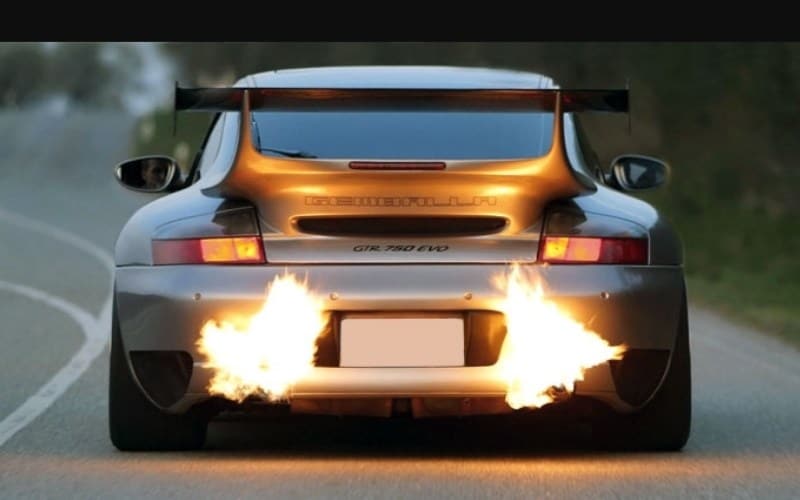
A backfiring car can be alarming and, at the very least, annoying. Understanding what causes this phenomenon is crucial for car owners to diagnose potential problems and take necessary steps to prevent further damage. This article will explore the reasons behind car backfires, differentiate between common types, and offer insights into troubleshooting and potential repairs.
What is a Car Backfire?
A backfire is essentially a combustion event that occurs outside of the engine's cylinders. Normally, the carefully controlled explosion of fuel and air happens within the confines of the engine, driving the pistons and powering the vehicle. However, when this combustion happens in the exhaust system or the intake manifold, it results in the loud bang or popping sound we recognize as a backfire.
Think of it like this: the engine is a finely tuned orchestra. Everything needs to be in sync for it to sound pleasant. A backfire is like a rogue instrument playing at the wrong time, disrupting the harmony. This "rogue" combustion is usually caused by unburnt fuel igniting unexpectedly.
Types of Car Backfires
There are two primary types of backfires, each with its own set of potential causes:
Exhaust Backfire
An exhaust backfire, sometimes called an afterfire, is the more common type. It happens when unburnt fuel makes its way into the exhaust system. Because the exhaust system is hot, any fuel present can ignite, causing a loud bang or popping sound, often accompanied by flames shooting out of the tailpipe.
Possible causes of an exhaust backfire include:
- Vacuum Leaks: Leaks in the vacuum system can disrupt the air-fuel mixture, leading to an overly rich mixture (too much fuel, not enough air).
- Exhaust Leaks: Holes or cracks in the exhaust manifold, pipes, or muffler can allow air to enter the system and ignite unburnt fuel.
- Faulty Catalytic Converter: A damaged or clogged catalytic converter can restrict exhaust flow and contribute to backfires.
- Rich Air-Fuel Mixture: As mentioned above, too much fuel in the mixture can lead to unburnt fuel entering the exhaust. This could be due to a faulty fuel injector, a malfunctioning mass airflow sensor (MAF), or a problem with the engine control unit (ECU).
- Timing Issues: Incorrect ignition timing can cause the exhaust valves to open prematurely, allowing unburnt fuel to escape.
Intake Backfire
An intake backfire is less common and generally more serious. It occurs when the combustion process extends backward into the intake manifold. This happens when the intake valve is open during combustion, allowing the flame to travel back into the intake system.
Possible causes of an intake backfire include:
- Valve Timing Issues: Incorrect valve timing is the most frequent culprit. This can be caused by a stretched or broken timing belt or chain.
- Lean Air-Fuel Mixture: A lean mixture (too much air, not enough fuel) can cause the engine to run hot and increase the likelihood of an intake backfire.
- Sticking Intake Valve: A valve that doesn't close properly can allow combustion gases to escape into the intake manifold.
- Weak or Broken Valve Springs: Weak valve springs can prevent the intake valve from closing completely.
Diagnosing the Cause of a Backfire
Determining the cause of a backfire can be tricky, but here's a step-by-step approach:
- Listen Carefully: Pay attention to when the backfire occurs. Does it happen during acceleration, deceleration, or idling? This can provide clues.
- Check for Obvious Issues: Inspect the exhaust system for leaks, loose connections, or damage. Look for cracks in the intake manifold.
- Check the Air Filter: A dirty or clogged air filter can restrict airflow and contribute to a lean mixture.
- Inspect Spark Plugs: Fouled or worn spark plugs can cause misfires and contribute to unburnt fuel.
- Scan for Error Codes: Use an OBD-II scanner to check for diagnostic trouble codes (DTCs). These codes can pinpoint specific issues with the engine's sensors or systems. However, not all backfires will trigger a code.
- Consider Recent Repairs: Did the backfiring start after a recent repair or maintenance? If so, the repair may be the source of the problem.
When to Seek Professional Help
While some minor issues can be addressed with DIY repairs, backfiring can sometimes indicate a more significant problem that requires professional attention. Here's when it's best to take your car to a qualified mechanic:
- Persistent Backfiring: If the backfiring continues despite your troubleshooting efforts.
- Intake Backfires: Intake backfires are generally more serious and require expert diagnosis.
- Error Codes: If the OBD-II scanner reveals codes that you are unfamiliar with or that point to complex engine issues.
- Decreased Performance: If the backfiring is accompanied by a noticeable decrease in engine performance, such as reduced power or poor fuel economy.
- Unusual Noises: If you hear other unusual noises coming from the engine, such as knocking or hissing.
Preventing Car Backfires
Regular maintenance is key to preventing car backfires. This includes:
- Scheduled Maintenance: Adhering to the manufacturer's recommended maintenance schedule, including oil changes, spark plug replacements, and air filter changes.
- Fuel System Cleaning: Regularly cleaning the fuel injectors and fuel system to prevent blockages and ensure proper fuel delivery.
- Exhaust System Inspections: Periodically inspecting the exhaust system for leaks or damage.
- Timing Belt/Chain Replacement: Replacing the timing belt or chain at the recommended intervals to prevent timing issues.
By understanding the causes of car backfires and taking proactive steps to maintain your vehicle, you can minimize the risk of experiencing this unpleasant and potentially damaging issue. Remember, a properly maintained engine is less likely to backfire and will provide years of reliable service.
Disclaimer: This article is for informational purposes only and does not constitute professional automotive advice. Always consult with a qualified mechanic for any vehicle repairs or maintenance.