
What Does It Mean When Your Car Overheats
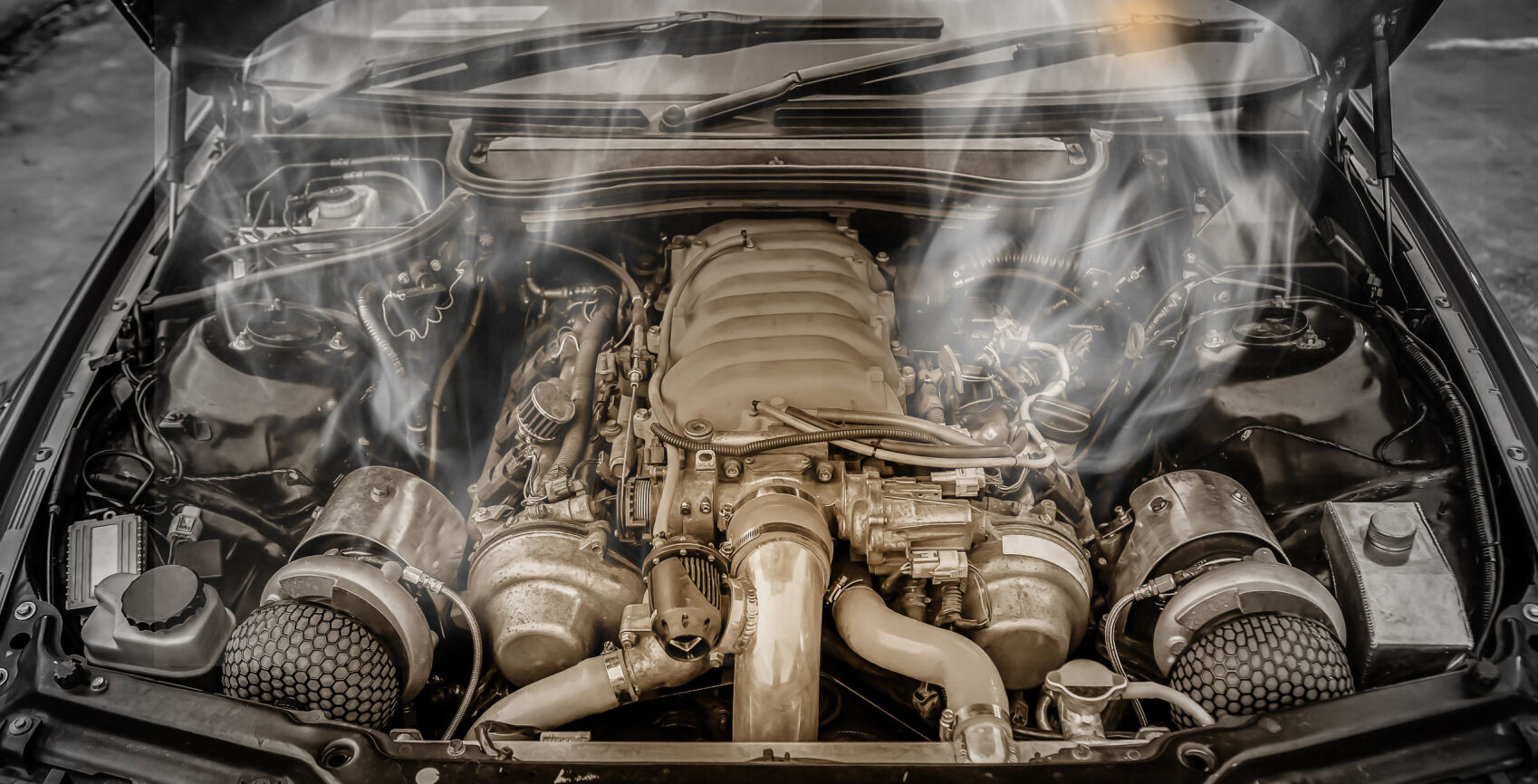
For generations, the sight of steam billowing from under a car's hood has been a symbol of automotive distress: overheating. But in an era of rapidly evolving powertrains and sophisticated vehicle management systems, what does overheating truly mean, and how is its significance changing?
The Traditional Culprits: A Farewell Tour?
Traditionally, overheating pointed to a failure within the internal combustion engine's (ICE) cooling system. A leak in the radiator, a faulty thermostat, a broken water pump – these were the usual suspects. The consequences could range from minor inconveniences to catastrophic engine damage. However, the rise of electric vehicles (EVs) and increasingly complex hybrid systems is ushering in a new era where the very definition of "overheating" is being challenged.
Electric Avenue: A Different Kind of Heat
EVs, by their very nature, eliminate many of the traditional overheating concerns. No combustion means no need for a complex cooling system to manage intense explosions. However, EVs still generate heat, primarily from the battery pack, electric motor(s), and power electronics. While "overheating" in an EV might not result in a plume of steam, it can manifest as reduced performance, decreased range, and even accelerated battery degradation. Advanced battery management systems (BMS) are crucial for maintaining optimal operating temperatures. These systems rely on sophisticated sensors, liquid or refrigerant cooling circuits, and predictive algorithms to prevent thermal runaway – a dangerous condition that can lead to battery fires.
Upcoming technologies in EV thermal management include more efficient cooling strategies like immersion cooling, where the battery cells are directly submerged in a non-conductive fluid, and advanced phase-change materials that absorb and release heat as needed. Furthermore, AI-powered BMS are on the horizon, capable of learning driving patterns and environmental conditions to proactively manage battery temperature and prevent overheating before it even occurs.
Hybrids: The Best (and Worst) of Both Worlds?
Hybrid vehicles present a unique challenge, as they combine the complexities of both ICE and electric powertrains. Consequently, they require sophisticated thermal management systems that can handle the demands of both. Overheating in a hybrid can stem from issues with either the ICE cooling system or the EV battery pack. This added complexity necessitates more robust diagnostics and preventative maintenance. Moreover, the interplay between the two powertrains requires intelligent control strategies to optimize thermal efficiency and prevent both components from operating outside their safe temperature ranges.
Smart Solutions: The Data-Driven Future of Thermal Management
Beyond hardware advancements, the future of overheating prevention lies in smart automotive solutions. Connected car technologies and over-the-air (OTA) updates are enabling manufacturers to remotely monitor vehicle health and proactively address potential overheating issues. Predictive maintenance algorithms can analyze sensor data to identify early warning signs of cooling system failures or battery degradation, allowing for timely repairs and preventing more serious problems. Imagine receiving a notification on your phone alerting you to a potential issue with your water pump before it fails, giving you ample time to schedule a service appointment.
However, these technologies also present challenges. Cybersecurity vulnerabilities could be exploited to tamper with vehicle systems, potentially causing deliberate overheating. Data privacy concerns must also be addressed, as the vast amounts of data collected by connected cars raise questions about how that information is used and protected.
The Road Ahead: A Symphony of Cool and Efficient Mobility
The evolution of automotive technology is transforming the way we understand and manage vehicle temperature. While the image of a steaming engine may fade into memory, the underlying challenge of thermal management remains crucial. As we transition towards electric and hybrid powertrains, innovative cooling solutions, intelligent control systems, and data-driven diagnostics will play an increasingly vital role in ensuring the reliability, performance, and safety of our vehicles. We are moving towards a future where vehicles not only transport us efficiently but also actively monitor their own health, proactively preventing problems and ensuring a smooth and enjoyable driving experience. This is more than just preventing overheating; it's about creating a smarter, more sustainable, and more reliable future for mobility.
Looking further ahead, we envision vehicles that can dynamically adjust their thermal profile based on real-time environmental conditions and individual driving preferences. Imagine a car that actively manages battery temperature to optimize range during a long road trip, or one that pre-conditions the cabin to your preferred temperature before you even get in. This level of personalized thermal management will not only enhance comfort and convenience but also contribute to greater energy efficiency and a more sustainable transportation ecosystem. The future of overheating isn't just about preventing problems; it's about harnessing the power of technology to create a truly intelligent and responsive driving experience.