
What Does Power Steering Fluid Smell Like
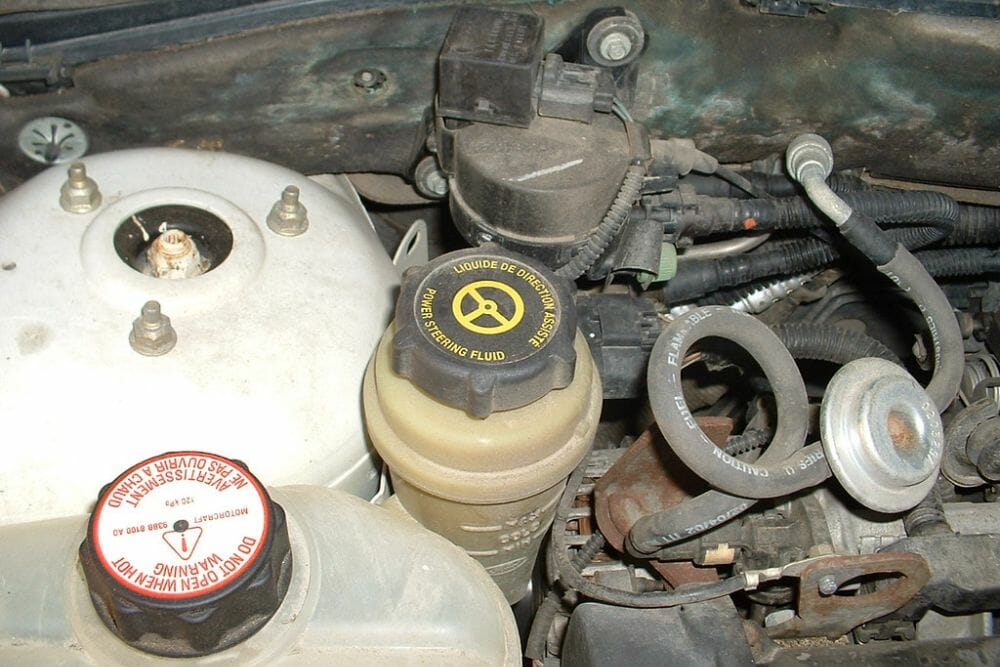
Power steering fluid is a critical hydraulic fluid responsible for assisting drivers in maneuvering vehicles. While often overlooked, its characteristics, including its odor, can be indicative of its condition and potential system issues. Understanding the scent of power steering fluid, its composition, and the implications of deviations from the norm is essential for automotive professionals.
The Scent of Healthy Power Steering Fluid
Fresh, uncontaminated power steering fluid generally possesses a faint, slightly oily or petroleum-like odor. It's typically not overpowering or pungent. The exact scent can vary slightly depending on the specific formulation and base oil used by the manufacturer. Many modern fluids, especially synthetic formulations, incorporate additives that can impart a more neutral or even slightly sweet smell. However, the key is that the smell should be subtle and not alarming. Consistency in odor over time is a good indicator of stable fluid condition.
Deviations and Their Meanings: Decoding the Bad Smells
The most common and concerning deviation from the normal scent is a burnt or acrid odor. This usually signifies overheating of the fluid, which can be caused by several factors:
- Low Fluid Levels: Insufficient fluid leads to increased operating temperatures and accelerated degradation.
- System Leaks: Similar to low fluid levels, leaks contribute to overheating.
- Contamination: The introduction of foreign materials (dirt, metal shavings, or other fluids) can accelerate fluid breakdown and cause burning.
- Internal Pump Failure: A failing pump can generate excessive heat, causing the fluid to overheat and burn.
- Stuck Pressure Relief Valve: If the pressure relief valve within the power steering pump is stuck closed, the system pressure can build excessively, leading to overheating and fluid degradation.
A burnt smell often accompanies a darkened fluid color and reduced viscosity. Chemically, the heat causes the base oil to break down and oxidize, forming sludge and varnish that can clog the power steering system. The increased acidity can also accelerate corrosion within the system.
Another common, though less severe, odor deviation is a sour or rancid smell. This often indicates the presence of moisture in the fluid. Water contamination can lead to corrosion, reduce lubricity, and promote the growth of microorganisms, all of which can damage power steering components. Water ingress can occur through condensation, leaking seals, or improper fluid handling.
Fluid Types and Odor Profiles: Comparing Mineral vs. Synthetic
Traditionally, power steering systems used mineral oil-based fluids. These fluids are generally less expensive but are more susceptible to thermal breakdown and oxidation. Synthetics are engineered with more stable molecular structures and offer improved high-temperature performance, oxidation resistance, and shear stability. Therefore, synthetic fluids tend to maintain their original odor for a longer period compared to mineral-based fluids. Additives also play a role, with anti-wear, anti-foam, and corrosion inhibitors influencing the scent profile and longevity of the fluid.
Dexron and Mercon fluids, originally developed for automatic transmissions, are sometimes used in power steering systems, especially older vehicles. Newer vehicles often require specific power steering fluids (PSF) that meet OEM specifications. It's crucial to use the correct fluid type to avoid compatibility issues and potential damage. Mixing different fluid types can lead to chemical reactions, reduced performance, and premature system failure. Always consult the vehicle's owner's manual or a reliable service database to determine the appropriate fluid.
Reliability, Maintenance, and Best Practices
Regular power steering fluid checks and changes are vital for maintaining system reliability. Refer to the vehicle's maintenance schedule for recommended service intervals. During inspection, pay attention to the fluid level, color, and odor. If the fluid is dark, smells burnt, or contains contaminants, a fluid flush and replacement is necessary.
Preventive maintenance tips include:
- Using the correct fluid type specified by the vehicle manufacturer.
- Checking the fluid level regularly and topping off as needed.
- Inspecting hoses and connections for leaks.
- Performing a complete fluid flush and replacement at recommended intervals.
- Addressing any unusual noises or steering issues promptly.
When flushing the system, ensure all old fluid is removed and the system is properly bled to eliminate air pockets. Air in the system can cause erratic steering behavior and noise.
Future Trends: Electric Power Steering and Beyond
The automotive industry is increasingly moving towards electric power steering (EPS) systems. EPS eliminates the need for hydraulic fluid, pumps, and hoses, resulting in improved fuel efficiency and reduced maintenance. While EPS eliminates the specific issues associated with hydraulic power steering fluid, electronic control systems introduce their own set of challenges related to software, sensors, and actuators. However, hydraulic power steering systems will continue to exist for a substantial period, especially in older vehicles and heavy-duty applications. Furthermore, electro-hydraulic power steering (EHPS) systems, which combine electric pumps with hydraulic actuators, represent an intermediate step, offering some of the benefits of both hydraulic and electric systems. These systems still use fluids but operate at lower pressures and are often sealed for life.
The development of more durable and environmentally friendly hydraulic fluids is also an ongoing trend. Biodegradable fluids and those with reduced toxicity are gaining popularity as manufacturers strive to minimize the environmental impact of vehicles.
In conclusion, understanding the characteristics of power steering fluid, including its odor, is a crucial diagnostic tool for automotive professionals. By recognizing deviations from the norm, technicians can identify potential problems early and prevent costly repairs. While electric power steering is the future, hydraulic systems will remain relevant for years to come, emphasizing the importance of proper maintenance and fluid management. The automotive industry is always evolving; staying abreast of new technologies and best practices will enable professionals to provide the best possible service to their customers.