
What Does Second Number In Tire Size Mean
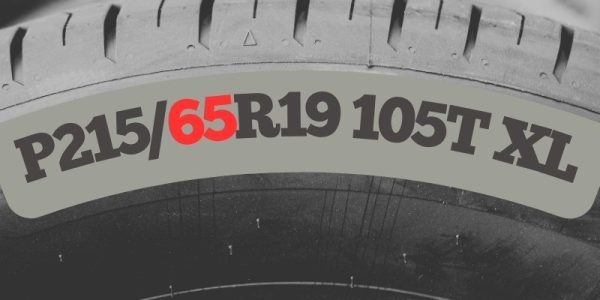
Ever stared at your tire sidewall, feeling like you're deciphering ancient hieroglyphs? You're not alone. Tire size markings can be a bit overwhelming, especially when you're trying to figure out if you need new tires, are considering a different size, or just want to understand what all those numbers and letters actually mean. Today, we're tackling one specific part of that code: the second number in the tire size designation.
The Second Number: Aspect Ratio Explained
Let's break down a common tire size example: P215/65R16. In this case, "65" is the number we're focusing on. This number represents the tire's aspect ratio. But what exactly is aspect ratio, and why is it important?
The aspect ratio is a percentage that compares the tire's section height (the distance from the rim to the top of the tire) to its section width (the width of the tire at its widest point). In our example, an aspect ratio of 65 means that the tire's section height is 65% of its section width. So, if the tire width is 215 millimeters, the section height would be approximately 139.75 millimeters (215 mm x 0.65 = 139.75 mm).
Simply put, a lower aspect ratio means a shorter sidewall, while a higher aspect ratio means a taller sidewall.
Why Aspect Ratio Matters
The aspect ratio significantly impacts your vehicle's handling, ride comfort, and overall appearance. Here's a closer look:
- Handling: Tires with a lower aspect ratio generally offer better handling and cornering performance. The shorter sidewall reduces flex, providing more direct steering response and improved stability. Think of sports cars; they often have low-profile tires (low aspect ratios) for enhanced performance.
- Ride Comfort: Conversely, tires with a higher aspect ratio tend to provide a more comfortable ride. The taller sidewall acts as a cushion, absorbing bumps and road imperfections more effectively. Passenger cars and SUVs often prioritize ride comfort and therefore use tires with higher aspect ratios.
- Appearance: Aspect ratio directly influences the tire's appearance. Low-profile tires (lower aspect ratios) often have a more aggressive and sporty look, while tires with higher aspect ratios offer a more traditional and less visually striking aesthetic.
- Fuel Efficiency: While not as direct as tire width or rolling resistance, aspect ratio can indirectly impact fuel efficiency. Lower profile tires *can* slightly improve fuel efficiency due to reduced sidewall flex, but the difference is usually minimal and overshadowed by other factors.
- Wheel Protection: Higher aspect ratio tires offer more protection to your wheels. The taller sidewall provides a larger buffer, reducing the risk of curb rash and damage from potholes.
Issues and Solutions Related to Aspect Ratio
Problems often arise when people deviate from the recommended tire size, particularly concerning aspect ratio. Here are some common issues and their solutions:
1. Incorrect Speedometer Readings
Issue: Changing the aspect ratio can affect the overall tire diameter, which in turn affects the speedometer reading. If you significantly reduce the aspect ratio (smaller diameter), your speedometer will read slower than your actual speed. Conversely, increasing the aspect ratio (larger diameter) will make your speedometer read faster.
Solution: The best solution is to stick with the tire size recommended by your vehicle manufacturer. This information is usually found on a sticker on the driver's side doorjamb or in your owner's manual. If you want to deviate, use a tire size calculator to find a suitable alternative size that maintains a similar overall diameter. You can find these calculators online. It's also advisable to have your speedometer recalibrated if you make a significant change to tire size.
2. Handling and Ride Comfort Compromises
Issue: Drastically changing the aspect ratio can negatively impact handling and ride comfort. Going too low might make the ride harsh and uncomfortable, while going too high might make the handling feel sluggish and less responsive.
Solution: Consider your driving style and priorities. If you value handling performance, a slightly lower aspect ratio might be acceptable, but don't go overboard. If ride comfort is paramount, stick with the original or a slightly higher aspect ratio. Test driving a vehicle with the desired tire size (if possible) can provide valuable insight.
3. Clearance Issues
Issue: Increasing the aspect ratio can result in a larger overall tire diameter, potentially leading to clearance issues. The tires might rub against the wheel wells, suspension components, or brake lines, especially when turning or going over bumps.
Solution: Before changing to a tire with a larger overall diameter (achieved with a higher aspect ratio), carefully inspect the available clearance in your wheel wells. Turn the steering wheel lock-to-lock and check for any potential rubbing points. You might need to install wheel spacers or lift/level your vehicle to create more clearance. However, modifications to your vehicle can affect safety and handling, so consult with a qualified mechanic before making any significant changes.
4. TPMS (Tire Pressure Monitoring System) Issues
Issue: While not directly related to the aspect ratio itself, changing tire sizes can sometimes trigger TPMS warnings. This can happen if the new tires require a different inflation pressure than the original tires, or if the TPMS sensors are not properly calibrated or compatible with the new tires.
Solution: Ensure that your tires are inflated to the correct pressure according to the tire manufacturer's recommendations (printed on the tire sidewall). If you are still experiencing TPMS warnings after inflating the tires, you may need to have the TPMS sensors recalibrated or replaced. A tire shop or mechanic can perform this service.
Practical Tips and Cost Considerations
- Tools Needed: When dealing with tire size and potential clearance issues, you'll need a tape measure, a jack and jack stands (for inspecting the wheel wells), and potentially wheel spacers or a lift kit if modifications are necessary.
- Professional Assistance: If you're unsure about choosing the right tire size or dealing with clearance issues, it's always best to consult with a qualified tire shop or mechanic. They can provide expert advice and ensure that your vehicle remains safe and properly handling.
- Approximate Costs:
- Tire Size Consultation: Free - $50 (depending on the shop)
- Speedometer Recalibration: $75 - $200
- Wheel Spacers: $50 - $200 per pair
- Lift/Level Kit Installation: $300 - $1500 (depending on the complexity and vehicle)
Understanding the aspect ratio is crucial for making informed decisions about your tires. By considering the impact on handling, ride comfort, and overall vehicle performance, you can choose the right tires to suit your needs and ensure a safe and enjoyable driving experience. Remember, when in doubt, consult with a professional! They can help you navigate the complexities of tire sizes and ensure that you're making the best choice for your vehicle and your driving style.