
What Does The Battery Light Mean On A Car
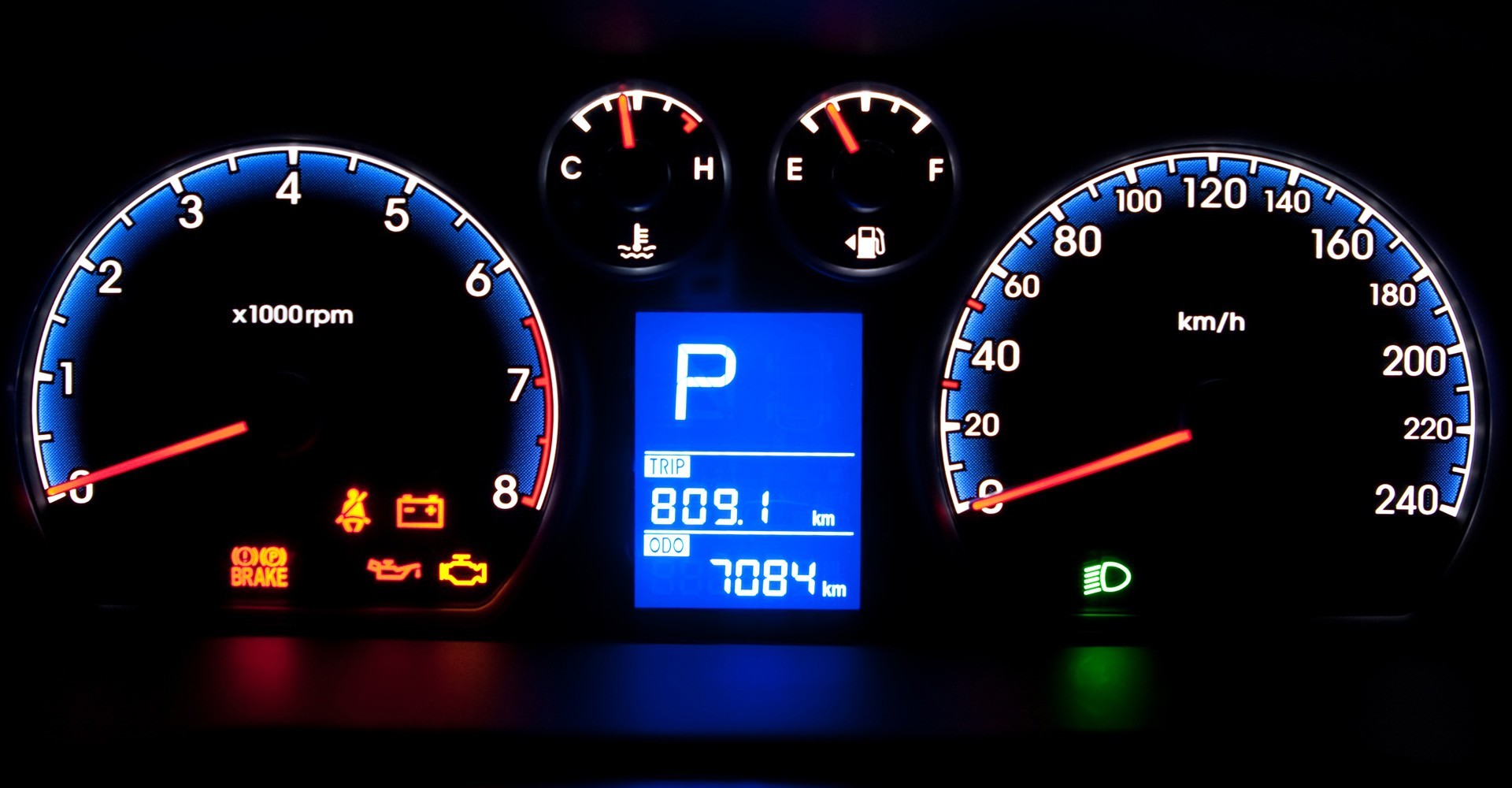
That little battery-shaped icon illuminating on your dashboard – the dreaded battery light. For generations, it's been a universal signal of impending doom for drivers. But in our rapidly evolving automotive landscape, what that light signifies is becoming increasingly complex, and its relevance is shifting alongside the very definition of what a “car” is.
Traditionally, the battery light meant one thing: your car's charging system wasn't working properly. Most commonly, it pointed to a faulty alternator failing to recharge the 12-volt battery. This battery, in turn, powers the starter motor, lights, and essential electronics. A dead alternator meant a rapidly depleting battery and, ultimately, a roadside breakdown. While this fundamental understanding still holds true for many internal combustion engine (ICE) vehicles on the road today, the rise of electric vehicles (EVs), hybrid systems, and increasingly sophisticated automotive electronics adds layers of nuance.
Beyond the Alternator: The Evolving Meaning
In a conventional car, the battery light's diagnostic path is relatively straightforward. A mechanic would typically check the alternator output, battery voltage, and belt tension. However, in hybrid and electric vehicles, the charging system is far more intricate. EVs, for instance, don't have alternators in the traditional sense. Instead, they rely on sophisticated power electronics to manage the flow of energy between the high-voltage battery pack, the electric motor(s), and the 12-volt auxiliary battery that still powers things like lights and infotainment systems. The battery light in an EV could indicate a problem with the DC-to-DC converter (which steps down the high-voltage power for the 12V system), a fault in the battery management system (BMS), or even a software glitch. The diagnostic process, therefore, becomes significantly more complex, often requiring specialized tools and expertise.
Hybrid vehicles add another layer of complexity. They typically feature both a conventional ICE engine and an electric motor, along with a high-voltage battery pack. The battery light in a hybrid could indicate a problem with any of these components or their interactions. A faulty regenerative braking system, which recharges the high-voltage battery during deceleration, could also trigger the warning light. Accurate diagnosis requires a deep understanding of the intricate interplay between the different systems.
The Role of Smart Automotive Solutions
The good news is that advancements in automotive technology are making it easier to diagnose and address these issues. Modern vehicles are equipped with sophisticated onboard diagnostics (OBD) systems that can provide detailed error codes, helping mechanics pinpoint the source of the problem. Furthermore, connected car technologies are enabling predictive maintenance. Vehicles can now monitor the health of their batteries and charging systems in real-time and alert drivers to potential problems before they lead to a breakdown. Imagine a scenario where your car anticipates a potential battery issue based on usage patterns and ambient temperature and proactively schedules a service appointment. This is the direction we're heading.
However, this increasing reliance on technology also presents challenges. Cybersecurity is a growing concern, as hackers could potentially exploit vulnerabilities in vehicle software to disable charging systems or even remotely trigger false warning lights. Data privacy is another important consideration, as connected car technologies collect vast amounts of data about driving habits and vehicle performance. Ensuring the security and privacy of this data is crucial for building trust in these technologies.
The Future of Mobility and the Battery Light
As we move towards a future dominated by electric and autonomous vehicles, the traditional understanding of the battery light will continue to evolve. In a world where vehicles are constantly connected and managed by sophisticated algorithms, the concept of a simple warning light may become obsolete. Instead, we might see more proactive and personalized alerts delivered through augmented reality displays or voice assistants. The vehicle itself might be able to diagnose and even resolve minor issues automatically, without requiring human intervention.
One potential scenario involves a fully autonomous, shared mobility fleet. These vehicles would be continuously monitored and maintained by a central control system. Any potential battery or charging system issues would be detected and addressed remotely, perhaps by rerouting the vehicle to a charging station or dispatching a mobile repair unit. The passenger might not even be aware that a problem existed.
The shift from reactive maintenance (waiting for the battery light to come on) to proactive and predictive maintenance is already underway. This trend will only accelerate as vehicles become more intelligent and connected. While the battery light may eventually fade into automotive history, the fundamental need for a reliable and efficient charging system will remain paramount. The future of mobility depends on it.
The automotive industry is undergoing a profound transformation. The humble battery light, a relic of a simpler era, serves as a reminder of how far we've come and how much further we have to go. The challenges are significant, but the potential rewards – a cleaner, safer, and more efficient transportation system – are well worth the effort. Let us embrace innovation and collaboration to build a future where mobility is seamless, sustainable, and accessible to all.