
What Does The Battery Light On A Car Mean
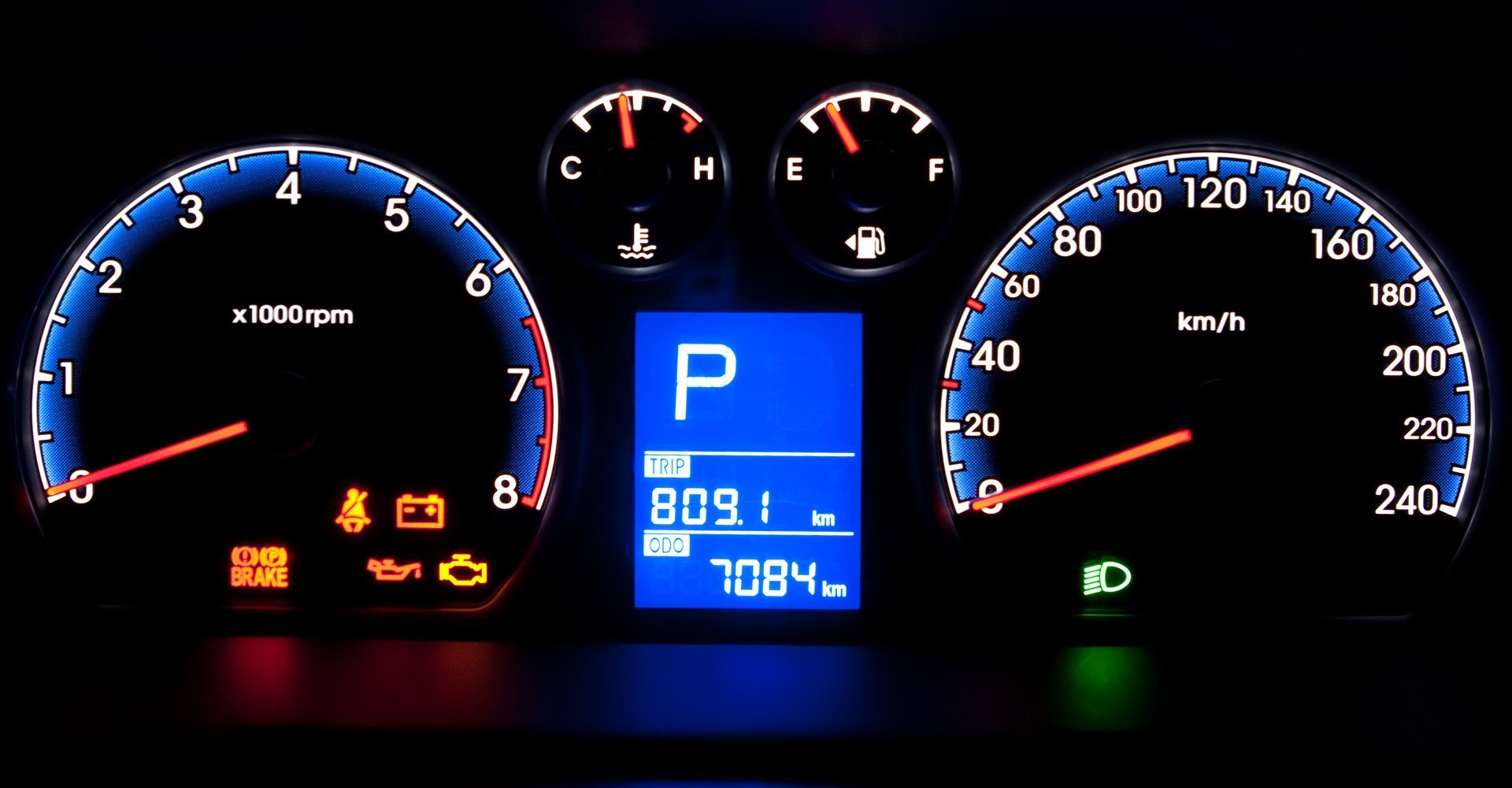
The dreaded battery light illuminating on your dashboard. It's a signal that something is amiss with your car's electrical charging system, and while it might *seem* straightforward, the cause isn't always a simple dead battery. In fact, a glowing battery light rarely signifies an actual battery problem; more often, it points to issues within the broader charging circuit.
Decoding the Battery Light's Message
That icon, typically a stylized depiction of a battery with positive (+) and negative (-) terminals, is essentially a voltage warning light. Modern vehicles constantly monitor the voltage output of the charging system. When the voltage falls outside a pre-determined range (typically between 13.5 and 14.5 volts while the engine is running), the light illuminates. This indicates that the battery isn't receiving the proper charge, which, if left unaddressed, will eventually lead to a depleted battery and a stalled engine.
Common Culprits Behind the Illuminated Battery Light
While the battery itself *can* be the problem, it's crucial to investigate other potential causes. Here are the most common:
- Faulty Alternator: The alternator is the heart of the charging system. It's responsible for converting mechanical energy from the engine into electrical energy, which then charges the battery and powers all the car's electrical components (lights, radio, AC, etc.). A failing alternator might produce insufficient voltage, causing the battery light to illuminate. Symptoms of a failing alternator include dimming headlights, a struggling engine start, and unusual noises (whining or grinding) coming from the alternator itself. Testing the alternator's output with a multimeter is the first step in diagnosing this issue. A healthy alternator should consistently provide voltage within the specified range, even under load.
- Loose or Corroded Battery Cables: A loose or corroded battery cable connection can impede the flow of electricity, preventing the battery from receiving a proper charge. Inspect the battery terminals for any signs of corrosion (a white or bluish powdery substance). Clean the terminals with a battery terminal cleaner and ensure the cables are securely fastened. A poor ground connection can also mimic the symptoms of a failing alternator, so check the ground strap connecting the battery to the chassis.
- Worn or Broken Serpentine Belt: The serpentine belt drives the alternator (and often other accessories like the power steering pump and AC compressor). If the belt is worn, cracked, or broken, it won't be able to spin the alternator at the correct speed, resulting in reduced voltage output. Inspect the belt for any signs of damage and replace it if necessary. Pay attention to belt tension; a loose belt can slip and cause charging issues.
- Voltage Regulator Problems: The voltage regulator controls the alternator's output, ensuring that the battery receives the correct charging voltage. Some alternators have an internal voltage regulator, while others rely on an external unit (often integrated into the engine control unit or ECU). A faulty voltage regulator can cause overcharging or undercharging, either of which will trigger the battery light. Modern vehicles increasingly rely on the ECU for voltage regulation, making diagnostics more complex.
- Wiring Issues: Damaged or shorted wires in the charging circuit can disrupt the flow of electricity and cause the battery light to come on. Inspect the wiring harness connected to the alternator and battery for any signs of damage, such as frayed wires, burnt connectors, or rodent damage. A wiring diagram is invaluable for tracing the charging circuit and identifying potential problem areas.
- Parasitic Drain: While not directly related to the charging system itself, a significant parasitic drain (an electrical load drawing power from the battery when the car is off) can eventually deplete the battery to the point where the charging system struggles to keep up, triggering the warning light. Common sources of parasitic drain include faulty door switches, aftermarket accessories (like alarms or audio systems), and malfunctioning control modules.
Troubleshooting and Diagnosis
When the battery light illuminates, a systematic approach to troubleshooting is essential. Start by visually inspecting the battery terminals, cables, and serpentine belt. Next, use a multimeter to check the battery voltage with the engine off and running. With the engine off, a fully charged battery should read around 12.6 volts. With the engine running, the voltage should be between 13.5 and 14.5 volts. If the voltage is outside these ranges, further investigation is needed. A diagnostic scan tool can also provide valuable information, such as fault codes related to the charging system. Remember to consult your vehicle's service manual for specific troubleshooting procedures and wiring diagrams.
Ignoring the Warning: A Risky Gamble
Driving with the battery light on is never a good idea. While you might be able to continue driving for a short period, the battery will eventually be depleted, leaving you stranded. Furthermore, operating with a faulty charging system can damage other electrical components in your car. Addressing the problem promptly will prevent further damage and ensure your vehicle remains reliable.