
What Does The Gauge Mean On Jumper Cables
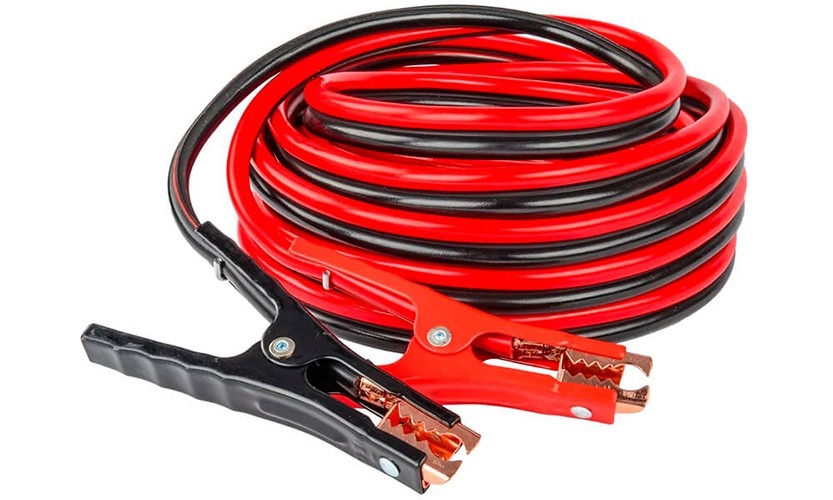
Ever found yourself staring at a set of jumper cables, feeling confident about jump-starting a dead battery, only to be momentarily stumped by the numbers printed on them? Specifically, the "gauge" number? You're not alone. Understanding what the gauge on jumper cables means is crucial for ensuring a safe and effective jump-start. This article will break down the mystery, helping you choose the right cables and avoid potential problems.
What Does "Gauge" Actually Mean?
The gauge number on jumper cables refers to the thickness of the wires inside. It's a measurement of the wire's cross-sectional area. Here's the key principle to remember: The lower the gauge number, the thicker the wire. Think of it like this: a 4-gauge cable is significantly thicker than a 10-gauge cable.
Why does wire thickness matter? Because thicker wires can carry more electrical current. When you jump-start a car, you're essentially transferring a large amount of current from the good battery to the dead one. If the jumper cables are too thin (a higher gauge number), they won't be able to handle the current flow efficiently. This can lead to:
- Slow or Failed Jump-Start: Insufficient current means the dead battery might not receive enough power to start the engine.
- Overheating Cables: The cables can get extremely hot, potentially melting the insulation and creating a fire hazard.
- Damage to Vehicles: In extreme cases, using undersized cables can potentially damage the electrical systems of either vehicle.
Think of it like trying to fill a swimming pool with a garden hose versus a fire hose. The garden hose might eventually fill the pool, but it will take a very long time and put a lot of strain on the hose. The fire hose, designed for high flow rates, will do the job much faster and more efficiently.
Matching the Gauge to Your Needs
So, how do you choose the right gauge for your jumper cables? It primarily depends on the size of the engine you'll be jump-starting. Larger engines require more current to crank over, hence the need for thicker cables. Here's a general guideline:
- 10-Gauge Cables: Suitable for very small engines, like those in lawnmowers or some motorcycles. Generally not recommended for cars or trucks.
- 8-Gauge Cables: Can work for compact cars with small engines (4-cylinder), but are still considered marginal for most vehicles.
- 6-Gauge Cables: A good starting point for many cars and small SUVs with 4- or 6-cylinder engines.
- 4-Gauge Cables: A versatile choice for most cars, SUVs, and light trucks. Recommended for reliable jump-starts.
- 2-Gauge or Thicker Cables: Best for large trucks, SUVs with V8 engines, and diesel vehicles. These provide the highest current carrying capacity.
Important Tip: When in doubt, it's always better to go with a thicker (lower gauge) cable. You'll have more headroom for current flow, ensuring a quicker and safer jump-start. It's an investment in peace of mind.
Other Important Jumper Cable Features
Besides gauge, other features contribute to the quality and safety of jumper cables:
- Cable Length: Longer cables provide more flexibility in positioning the vehicles. A length of 16-20 feet is generally sufficient for most situations.
- Clamp Quality: Look for clamps with strong springs and good "bite" to ensure a secure connection to the battery terminals. Copper clamps are better conductors than aluminum.
- Insulation: High-quality insulation is essential for preventing shorts and burns. Look for cables with thick, durable insulation that is resistant to cracking and melting.
Problem: My Jumper Cables Aren't Working!
Let's say you've got a set of jumper cables, but they aren't doing the trick. What could be the problem?
Possible Causes and Solutions:
- Incorrect Gauge: As we've discussed, using too thin a cable is a common culprit. If you're trying to jump-start a large engine with a 10- or 8-gauge cable, it simply might not have the capacity. Solution: Upgrade to a thicker cable (4-gauge or lower).
- Poor Connections: Dirty or corroded battery terminals can impede current flow. Solution: Clean the battery terminals with a wire brush and a battery terminal cleaner. Make sure the clamps are making solid contact. A small investment of $10-$20 for a battery terminal cleaning kit can save you a lot of frustration.
- Weak Battery: Even with good cables, a severely discharged or damaged battery might not be able to accept a charge. Solution: Try letting the donor car run for several minutes while the cables are connected to give the dead battery a chance to recover. If that doesn't work, the battery might need to be replaced. A new battery typically costs between $100 and $300, plus labor if you have a mechanic install it.
- Faulty Cables: The cables themselves might be damaged internally, even if the insulation looks okay. Solution: Inspect the cables carefully for any signs of damage. If you suspect internal damage, it's best to replace the cables.
- Other Electrical Issues: The dead battery might be a symptom of a larger electrical problem in the car, such as a bad alternator or a parasitic drain. Solution: Consult a qualified mechanic to diagnose and repair the underlying issue. Diagnostic fees can range from $80 to $150.
Tools You Might Need:
- Jumper Cables (appropriate gauge)
- Wire Brush
- Battery Terminal Cleaner
- Gloves (for safety)
- Safety Glasses (for eye protection)
- Wrench (to loosen battery terminal clamps, if necessary)
Approximate Repair Costs:
Keep in mind these are just estimates and can vary depending on your location and the specific repair shop.
- Battery Terminal Cleaning Kit: $10 - $20
- New Jumper Cables (4-gauge): $30 - $60
- New Car Battery: $100 - $300 + Labor
- Professional Electrical Diagnosis: $80 - $150
Understanding the gauge on jumper cables is a small detail that can make a big difference when you need a jump-start. By choosing the right cables and maintaining them properly, you can avoid frustration and ensure a safe and reliable experience. And remember, if you're ever unsure about working on your car's electrical system, it's always best to consult a qualified mechanic.