
What Does The Throttle Position Sensor Do
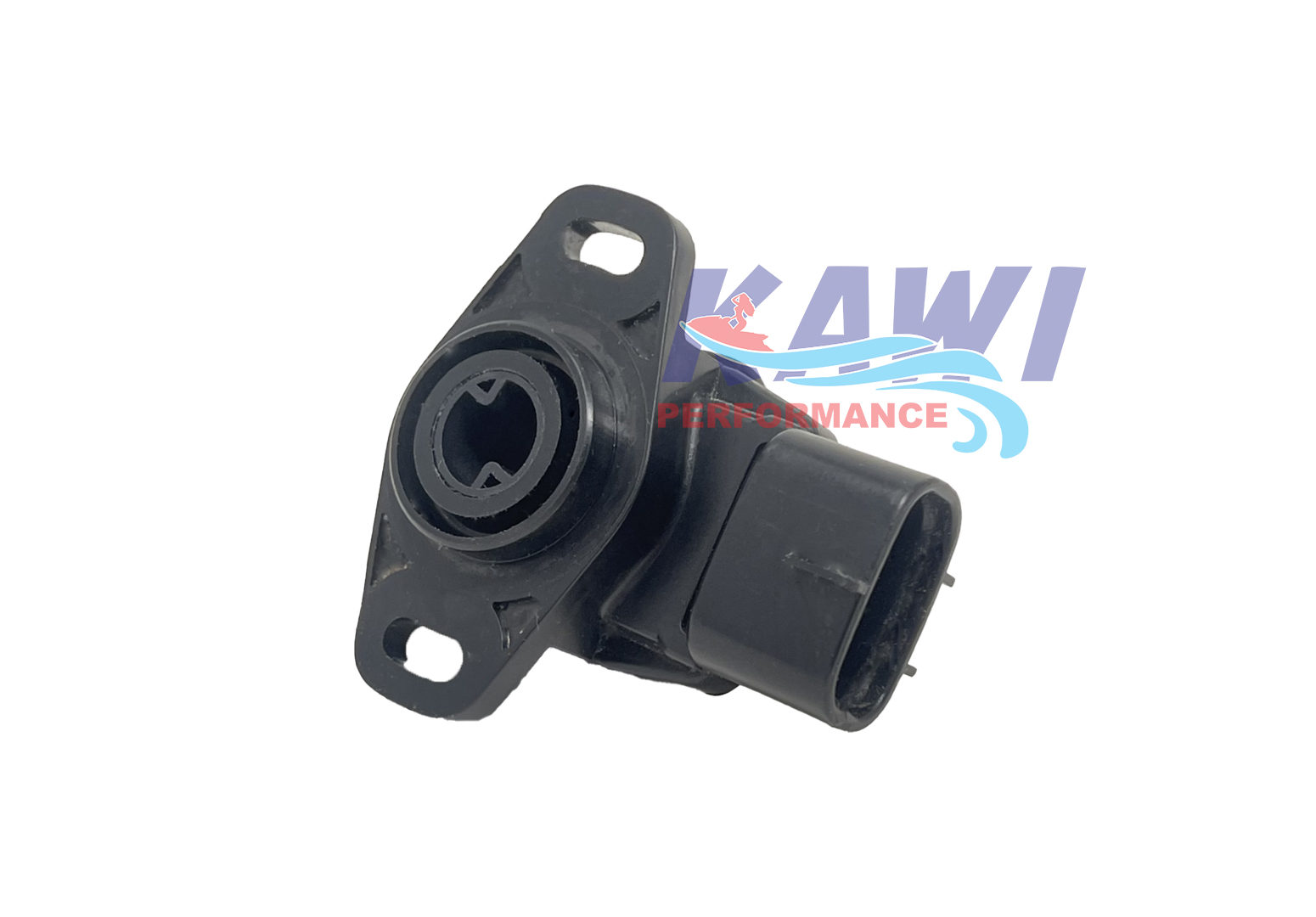
The Throttle Position Sensor (TPS) is a critical component in your car's engine management system. It's a sensor that monitors the position of the throttle plate, providing vital information to the engine control unit (ECU) or powertrain control module (PCM). This data helps the ECU determine how much fuel to inject, when to ignite the spark plugs, and manage other crucial engine functions. Think of it as the ECU's way of understanding how much power you're asking for when you press the gas pedal.
Understanding the TPS and its Role
The TPS is typically located on the throttle body, directly connected to the throttle plate shaft. As you press the accelerator pedal, the throttle plate opens, and the TPS sends a corresponding signal to the ECU. This signal is usually a voltage that varies proportionally with the throttle opening. The ECU uses this voltage, along with inputs from other sensors like the MAF (Mass Airflow) sensor and oxygen sensors, to create the optimal air-fuel mixture for efficient combustion. A faulty TPS can lead to a range of performance problems, impacting fuel economy, acceleration, and overall drivability.
Common Symptoms of a Faulty TPS
Recognizing the symptoms of a bad TPS early can save you time and money. Here are some of the most common indicators:
- Hesitation or Stumbling During Acceleration: This is perhaps the most frequent complaint. The engine might feel sluggish or hesitate when you press the gas pedal, especially at lower speeds. Imagine driving a 2010 Honda Civic and experiencing a noticeable delay between pressing the accelerator and the car actually responding.
- Rough Idling: The engine might idle roughly, fluctuate in RPM, or even stall, particularly when cold. A 2015 Ford F-150 with a bad TPS might exhibit this behavior, making it difficult to keep the engine running smoothly at stoplights.
- Poor Fuel Economy: A faulty TPS can cause the ECU to miscalculate the air-fuel mixture, leading to excessive fuel consumption. You might notice you're filling up your tank more frequently than usual.
- Check Engine Light (CEL): The CEL is often illuminated when the TPS malfunctions. Diagnostic trouble codes (DTCs) such as P0120, P0121, P0122, and P0123 are commonly associated with TPS issues.
- Surging or Erratic Acceleration: The car might accelerate unevenly, even with a constant throttle position. This can be dangerous, especially in heavy traffic.
- Difficulty Shifting (Automatic Transmissions): In some vehicles, the TPS signal is used by the transmission control module (TCM) to manage shift points. A faulty TPS can cause erratic or delayed shifting.
Diagnosing TPS Problems: Causes and Solutions
Several factors can contribute to TPS failure. Understanding these causes can help you pinpoint the problem and implement the correct fix.
- Worn-Out Sensor: Like any mechanical or electrical component, the TPS can wear out over time due to constant use and exposure to heat and vibrations. This is the most common cause.
- Contamination: Dirt, debris, and oil can accumulate on the TPS, interfering with its ability to accurately sense the throttle position. This is especially true if the throttle body is not regularly cleaned.
- Wiring Issues: Damaged, corroded, or loose wiring connectors can disrupt the TPS signal, causing intermittent problems.
- Vacuum Leaks: While not directly affecting the TPS, vacuum leaks can throw off the engine's air-fuel mixture and mimic TPS-related symptoms.
Troubleshooting Steps and Solutions
- Scan for Diagnostic Trouble Codes (DTCs): Use an OBD-II scanner to retrieve any stored DTCs. This will provide valuable clues about the nature of the problem. Codes related to the TPS, throttle body, or engine performance will be particularly relevant.
- Inspect the TPS Wiring and Connector: Carefully examine the wiring harness and connector for any signs of damage, corrosion, or loose connections. Clean the connector with electrical contact cleaner and ensure it's securely attached.
- Check the TPS Voltage: Use a multimeter to measure the TPS voltage at idle and with the throttle fully open. Compare these readings to the manufacturer's specifications. An incorrect voltage range indicates a faulty sensor. For example, on many vehicles, the voltage at closed throttle should be around 0.5 volts, and around 4.5 volts at wide open throttle.
- Test the TPS Resistance: If you suspect the TPS is faulty, use a multimeter to measure its resistance across different throttle positions. A smooth, linear change in resistance is expected. Erratic readings or dead spots indicate a bad sensor.
- Clean the Throttle Body: Carbon buildup in the throttle body can affect the throttle plate's movement and potentially damage the TPS. Clean the throttle body with a throttle body cleaner, being careful not to spray directly into the TPS.
- Replace the TPS: If all other tests point to a faulty TPS, replacing it is the most likely solution. Be sure to use a high-quality replacement sensor.
- Calibrate the TPS: After replacing the TPS, some vehicles require a TPS calibration or relearn procedure. This involves using a scan tool to reset the TPS settings and ensure it communicates correctly with the ECU. Consult your vehicle's repair manual for specific instructions. For instance, a 2018 Toyota Camry might require a TPS relearn procedure after replacement.
Real-World Examples
- 2012 Chevrolet Cruze: Owners often report issues with hesitation and rough idling traced back to a faulty TPS. Replacing the TPS and cleaning the throttle body typically resolves the problem.
- 2008 Jeep Wrangler: A common symptom is erratic acceleration and a flashing check engine light. The fix usually involves replacing the TPS and ensuring proper wiring connections.
- 2016 Nissan Altima: Owners sometimes experience difficulty shifting with automatic transmissions due to a failing TPS. Replacing the sensor and performing a transmission relearn procedure can restore normal shifting behavior.
Preventative Maintenance for Long-Term Reliability
Regular maintenance can help prevent TPS problems and extend the life of your car's engine:
- Regularly Clean the Throttle Body: Cleaning the throttle body every 30,000-50,000 miles helps prevent carbon buildup and ensures smooth throttle plate operation.
- Inspect Wiring and Connectors: Periodically inspect the TPS wiring and connectors for any signs of damage or corrosion.
- Address Vacuum Leaks Promptly: Fixing vacuum leaks as soon as they are detected will prevent them from interfering with the engine's performance and potentially damaging the TPS.
- Use High-Quality Replacement Parts: When replacing the TPS or any other engine component, always use high-quality parts from reputable manufacturers.
By understanding the function of the TPS, recognizing the symptoms of a failing sensor, and performing regular maintenance, you can keep your car running smoothly and efficiently for years to come. Don't ignore the warning signs! Addressing TPS problems early can prevent more serious and costly engine damage.