
What Does The Traction Control Light Mean
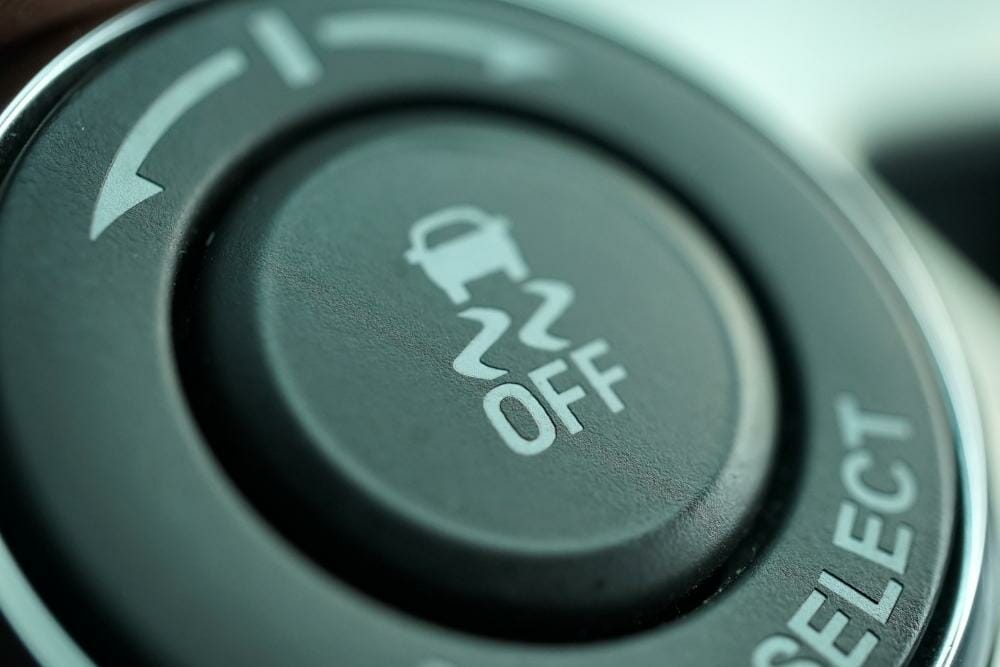
The traction control light, often depicted as a car with squiggly lines underneath, is a critical indicator on your dashboard. Understanding its meaning is vital for safe driving and proper vehicle maintenance. This article delves into the nuances of the traction control system (TCS), what the light signals, and how to address potential issues.
What is Traction Control and How Does it Work?
Traction control is a vital safety system designed to prevent wheel slippage during acceleration, particularly on slippery surfaces like snow, ice, or loose gravel. Its primary function is to maintain vehicle stability and control by ensuring the wheels maintain grip with the road. The system works by constantly monitoring wheel speed using sensors located at each wheel. These sensors send data to the Engine Control Unit (ECU), the car's central computer.
When the ECU detects that one or more wheels are spinning significantly faster than others (indicating a loss of traction), it intervenes. This intervention typically involves one or more of the following actions:
- Reducing Engine Power: The ECU can reduce engine torque by limiting fuel delivery or retarding ignition timing. This prevents the spinning wheel from receiving excessive power, allowing it to regain traction.
- Applying Brakes: The system can selectively apply the brakes to the spinning wheel(s). This slows down the wheel, transferring torque to the wheels with better grip. Modern systems often utilize the Anti-lock Braking System (ABS) components to achieve this.
- Throttle Control: In some modern vehicles, the electronic throttle can be modulated to reduce power output without directly affecting fuel delivery or ignition timing.
Interpreting the Traction Control Light: Solid vs. Flashing
The way the traction control light behaves is crucial for diagnosing the problem. A solid light typically indicates that the TCS has been manually disabled or there is a malfunction within the system. A flashing light, on the other hand, generally means that the TCS is actively engaged, working to prevent wheelspin.
Here's a breakdown:
- Solid Traction Control Light:
- System Disabled: Many vehicles have a button or setting to manually turn off TCS, often labeled "TCS OFF" or similar. Accidentally deactivating the system will illuminate the light.
- Sensor Malfunction: A faulty wheel speed sensor, yaw sensor, or steering angle sensor can prevent the system from functioning correctly, triggering the light.
- ECU Issue: A problem within the ECU itself can also cause the light to illuminate.
- Brake System Problem: Issues with the ABS, which often shares components with the TCS, can trigger the TCS light.
- Flashing Traction Control Light:
- Active Intervention: The TCS is actively working to prevent wheelspin. This is normal when accelerating on slippery surfaces.
- Over-Sensitivity: In some cases, the system might be overly sensitive, triggering the light even with minimal wheelspin. This can be due to incorrect tire pressure or worn tires.
Troubleshooting a Solid Traction Control Light
If the traction control light is constantly on, it's crucial to diagnose the issue. Here's a step-by-step approach:
- Check the TCS Switch: Ensure the system hasn't been accidentally disabled.
- Inspect Tire Pressure and Condition: Incorrect tire pressure or worn tires can affect the system's performance.
- Scan for Diagnostic Trouble Codes (DTCs): Use an OBD-II scanner to retrieve any stored trouble codes. These codes provide valuable clues about the source of the problem. Common codes relate to wheel speed sensors, ABS modules, or the ECU.
- Inspect Wheel Speed Sensors: Check the sensors for physical damage or corrosion. Use a multimeter to test their functionality.
- Check ABS System: Because TCS often shares components with the ABS, check the ABS system for faults.
If you are not comfortable performing these checks yourself, it's best to consult a qualified mechanic. Ignoring a traction control light can compromise your vehicle's safety and potentially lead to more extensive and costly repairs down the road.
Real-World Example
Consider a scenario where a driver notices the traction control light illuminated after replacing their tires. This could indicate that one of the wheel speed sensors was damaged during the tire change. Using an OBD-II scanner, they find a code related to a specific wheel speed sensor. Upon inspection, they discover a broken wire leading to the sensor. Repairing the wire resolves the issue, and the traction control light turns off.
In conclusion, understanding the traction control light is paramount for safe driving. Whether it's a flashing light indicating active intervention or a solid light signaling a potential malfunction, prompt attention to the system ensures optimal vehicle control and safety.