
What Does The Trailer Brake Controller Do
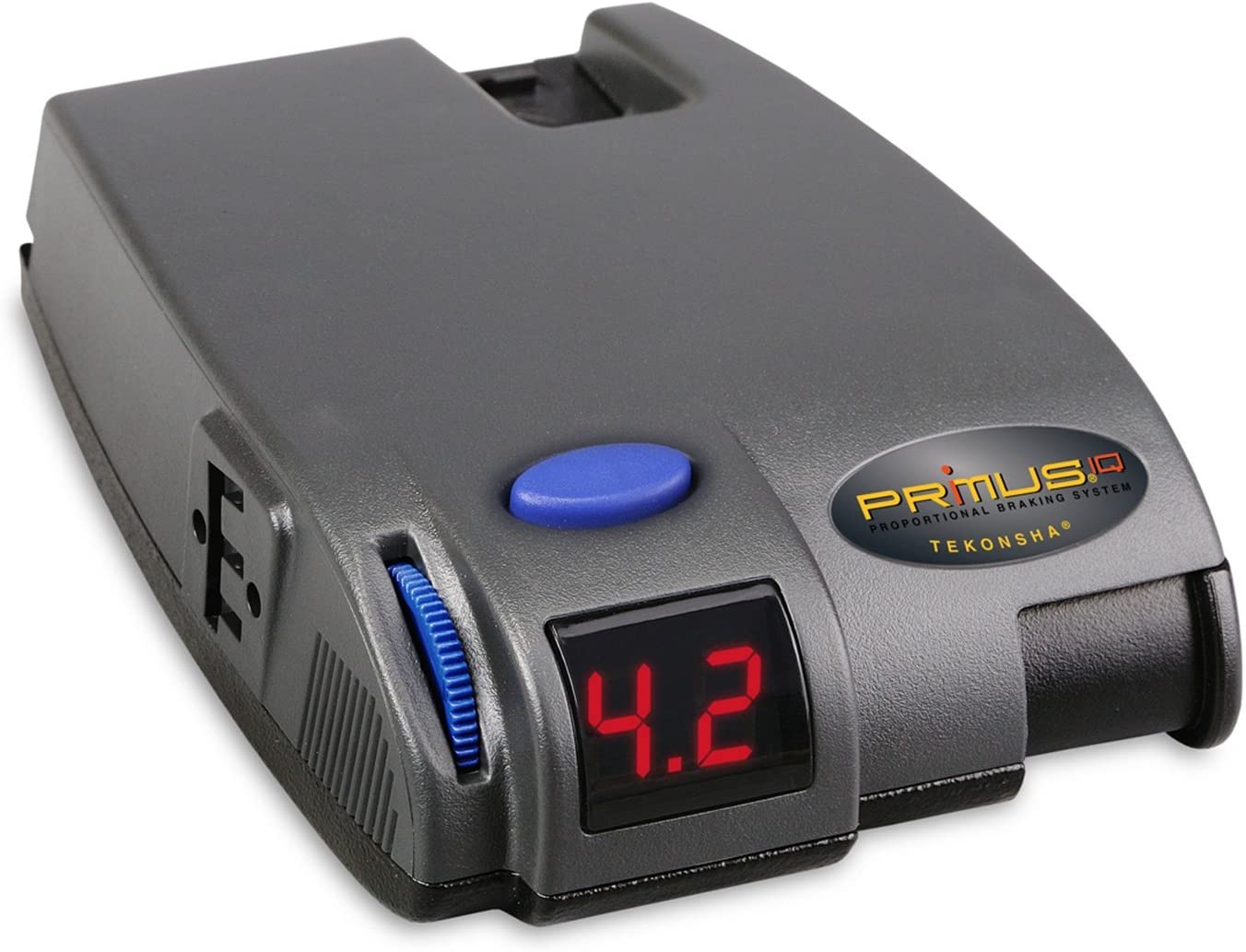
Towing a trailer opens up a world of possibilities, from hauling a camper for weekend getaways to transporting equipment for your hobbies. But towing safely requires more than just a hitch and a prayer. A crucial piece of the puzzle is the trailer brake controller. If you're towing anything of significant weight, especially with electric brakes, understanding this device is essential. Let's break down what it does, how it works, and why it matters.
What is a Trailer Brake Controller?
At its core, the trailer brake controller is an electronic device that synchronizes the trailer's brakes with your tow vehicle's brakes. Without it, the trailer would simply push against your vehicle during braking, leading to instability, longer stopping distances, and increased wear and tear on your tow vehicle's brakes. Think of it like this: imagine trying to stop two cars simultaneously, but only one car has working brakes. That's essentially what it's like towing a heavy trailer without a properly functioning brake controller.
Consider a scenario: you're driving a Ford F-150, a popular and capable towing truck, hauling a 24-foot travel trailer. Without a trailer brake controller, every time you hit the brakes, the full weight of that trailer would be pressing against the back of your F-150. This could lead to a jackknife situation, especially in wet or slippery conditions. The trailer brake controller prevents this by activating the trailer's brakes proportionally to your vehicle's braking effort.
How Does a Trailer Brake Controller Work?
The trailer brake controller utilizes a combination of sensors and electronic circuitry to determine the appropriate braking force to apply to the trailer's brakes. Here's a simplified breakdown of the process:
- Sensing Vehicle Deceleration: The controller monitors your tow vehicle's braking activity. This is typically achieved through an inertia sensor or connection to the vehicle's brake light circuit. Inertia-based controllers use a pendulum or similar mechanism to detect the rate of deceleration. Brake light circuit controllers activate based on when the brake lights are engaged.
- Calculating Output Voltage: Based on the sensed deceleration, the controller calculates the appropriate voltage to send to the trailer's electric brakes. The harder you brake, the higher the voltage, and the stronger the braking force applied to the trailer.
- Applying Voltage to Trailer Brakes: The controller sends the calculated voltage through the trailer's wiring harness to the electric brakes on each wheel. These brakes use electromagnets to engage friction material against a rotating drum, slowing the trailer.
- Manual Override: Most controllers also feature a manual override lever or button. This allows you to manually activate the trailer brakes independently of the vehicle's brakes. This is useful for testing the trailer brakes, stabilizing a swaying trailer, or in emergency situations.
There are generally two main types of trailer brake controllers:
Time-Delay Controllers
These controllers apply the trailer brakes after a pre-set delay and at a pre-determined rate. You set the aggressiveness of the braking and the initial delay. While simpler and often less expensive, they aren't as responsive as proportional controllers and may not provide the smoothest braking experience. Imagine you're in a Chevrolet Tahoe towing a boat; a time-delay controller might feel jerky, applying the brakes too abruptly or not quickly enough, especially in stop-and-go traffic.
Proportional Controllers
These controllers are more sophisticated and are generally considered superior for most towing applications. Proportional controllers measure the actual rate of deceleration of the tow vehicle and apply the trailer brakes proportionally. This results in smoother, more controlled braking, as the trailer brakes work in sync with the tow vehicle's brakes. Using the Tahoe example again, a proportional controller would sense the Tahoe's braking force and apply the trailer brakes in direct proportion, creating a seamless and controlled stop.
Why is a Trailer Brake Controller Important?
The benefits of using a trailer brake controller are numerous:
- Improved Safety: Dramatically reduces stopping distances and enhances control, especially in emergency situations. This is paramount for preventing accidents and ensuring the safety of yourself, your passengers, and others on the road.
- Reduced Wear and Tear: Prevents excessive strain on your tow vehicle's brakes, extending their lifespan and reducing maintenance costs. Without a controller, your truck's brakes would be doing all the work, wearing down much faster.
- Enhanced Stability: Minimizes trailer sway and prevents jackknifing, particularly in adverse weather conditions. A properly adjusted controller helps keep the trailer tracking straight behind the tow vehicle.
- Legal Compliance: In many jurisdictions, a trailer brake controller is legally required for trailers exceeding a certain weight. Check your local regulations to ensure compliance.
Choosing and Installing a Trailer Brake Controller
Selecting the right trailer brake controller depends on your towing needs and preferences. Consider the following factors:
- Type of Trailer: The weight and type of trailer you're towing will influence the type of controller you need. Heavier trailers generally benefit from proportional controllers.
- Towing Vehicle: Some vehicles come pre-wired for trailer brake controllers, while others may require aftermarket wiring. Check your vehicle's owner's manual.
- Features: Look for features like adjustable gain settings, manual override, and diagnostic displays.
- Budget: Trailer brake controllers range in price from a few hundred dollars to several hundred.
Installation typically involves mounting the controller in a convenient location within the cab of your vehicle and connecting it to the vehicle's wiring harness. Many modern vehicles, like newer Ram trucks, come with integrated trailer brake controllers, simplifying the process. However, if your vehicle doesn't have a pre-wired harness, you'll need to install one. While some experienced DIYers can handle the installation, it's often best left to a professional to ensure proper wiring and functionality. An incorrect installation can lead to malfunctioning brakes, which can be dangerous.
Practical Takeaways
Here are some practical takeaways to help you apply this knowledge:
- Know Your Towing Capacity: Before towing anything, understand your vehicle's maximum towing capacity and the weight of your trailer. Exceeding these limits is unsafe and can damage your vehicle. You can usually find this information in your owner's manual or on a sticker inside the driver's side door.
- Adjust the Gain Setting: The gain setting controls the sensitivity of the trailer brakes. Adjust it until the trailer brakes engage slightly before the tow vehicle's brakes, providing smooth and controlled braking. Experiment on a safe, level surface. You don’t want the trailer brakes locking up, or not engaging enough.
- Regularly Inspect Your Brakes: Check your trailer brakes regularly for wear and tear, and ensure they're properly adjusted. Faulty brakes can compromise the effectiveness of the trailer brake controller.
- Practice in a Safe Environment: Before embarking on a long trip, practice towing in a controlled environment to familiarize yourself with the handling characteristics of your rig. Get a feel for how the trailer brake controller responds to different braking situations.
- Seek Professional Assistance: If you're unsure about any aspect of trailer brake controllers, consult a qualified mechanic or trailer specialist. They can provide expert advice and ensure your setup is safe and reliable.
By understanding the function and importance of the trailer brake controller, you can tow with confidence and ensure the safety of yourself and others on the road. Safe towing is responsible towing!